EN
Difference Between Fiber Making Machine and Fiber Processing Equipment
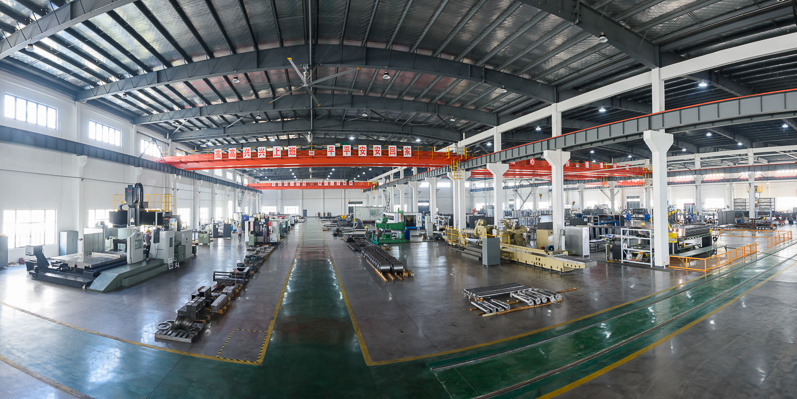
A fiber making machine and fiber processing equipment are often discussed as though they mean the same thing. They do not. A fiber making machine usually names the equipment that performs the central conversion step: making a fiber, filament, tow, staple, or formed fiber product from a defined feedstock. Fiber processing equipment is the wider production system around that step. It can include preparation, forming, conditioning, transport, inspection, packaging, utilities, controls, and the handoff points between them.
From a fiber-process technical advisory perspective, the useful starting point is the production objective, not an isolated machine label. A project team should first define its feedstock, target fiber specification, end use, and verification method. That changes what a fiber making machine must do and which surrounding systems belong in the quotation.
What Does a Fiber Making Machine Usually Mean?
The term fiber making machine is generally a functional description. It points to a machine or tightly coupled module that transforms material into a fiber form. Depending on the process, that can mean melt preparation and spinning, web formation, opening and blending, fiber-ball formation, cutting, or another core conversion operation. The exact boundary varies by material and application, which is why the label alone is not enough for an equipment decision.
For example, a polyester staple-fiber route may involve feedstock preparation, melting and filtration, spinning, tow handling, drawing, crimping, finishing, cutting, and baling. A supplier may use fiber making machine to describe the spinning section, a compact production cell, or an entire line. Before comparing proposals, ask which stages are inside that description and which are excluded.
What Is Fiber Processing Equipment?
Fiber processing equipment is the broader category. It covers the machinery and production equipment that prepare a material, support the core conversion step, condition the output, and move it toward an inspectable and shippable product. A fiber making machine may sit inside this system, but it is not automatically the whole system.
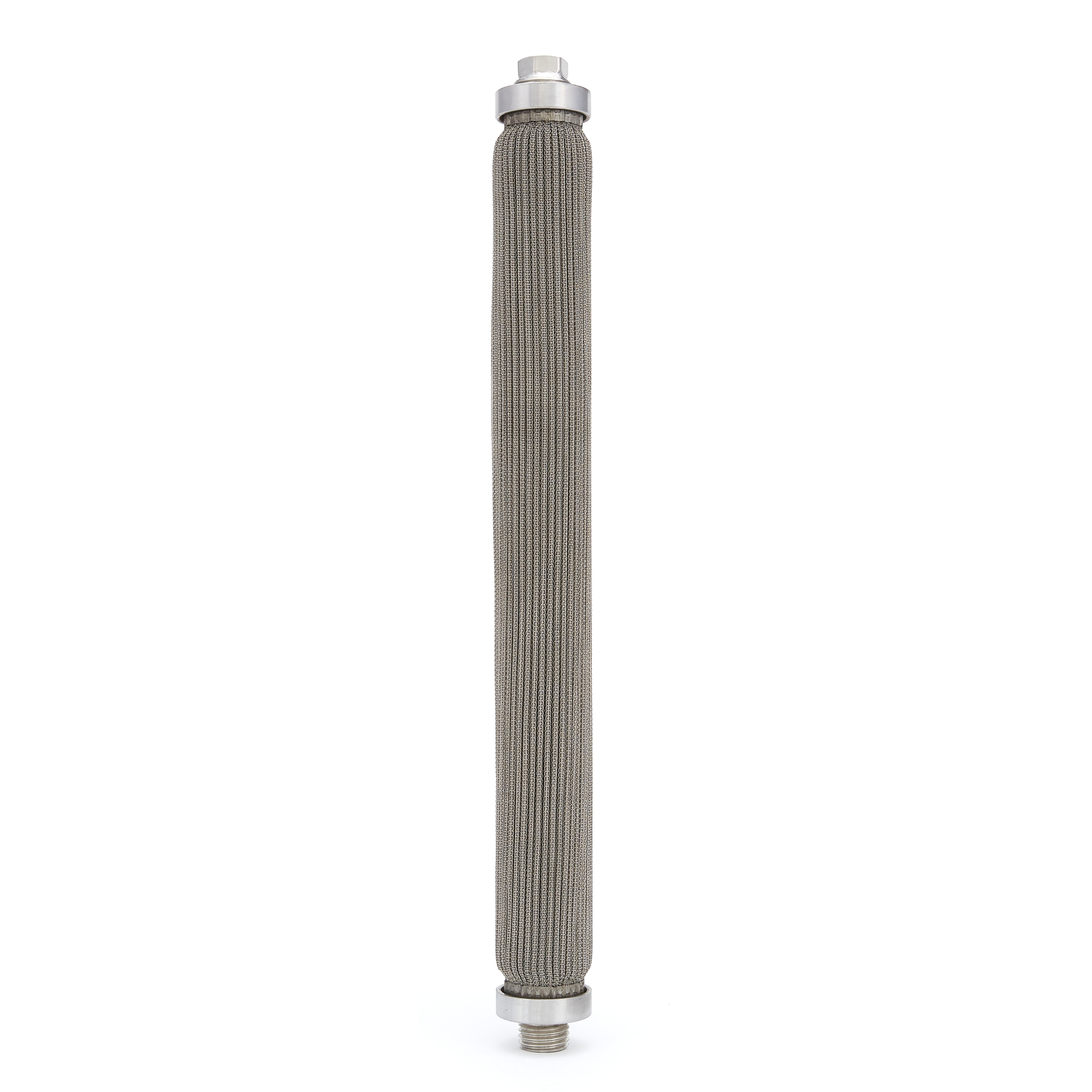
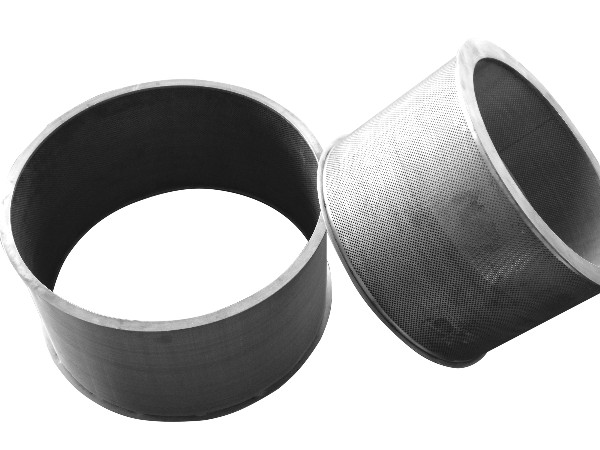
Typical fiber processing equipment may include feedstock handling, dryers or other preparation units, conveying, thermal-control systems, filters, take-up or tow handling, drawing and crimping units, cutters, finish application, balers, dust collection, material handling, electrical integration, and production controls. Not every industrial solution needs every module. The relevant scope depends on the fiber type, throughput objective, plant conditions, and downstream use.
The Practical Difference: Core Conversion Versus System Scope
| Comparison point | Fiber making machine | Fiber processing equipment |
|---|---|---|
| Main role | Performs the defined fiber-forming or conversion operation. | Supports the complete material-to-finished-fiber workflow. |
| Scope | Often one machine or a compact process section. | Usually a linked set of production equipment and handoff points. |
| Selection focus | Material compatibility, output form, operating window, and machine function. | Flow continuity, utilities, controls, handling, quality checks, safety, and handoff boundaries. |
| Quotation question | “What does this fiber making machine do?” | “What must work together for the line to produce and handle the specified fiber?” |
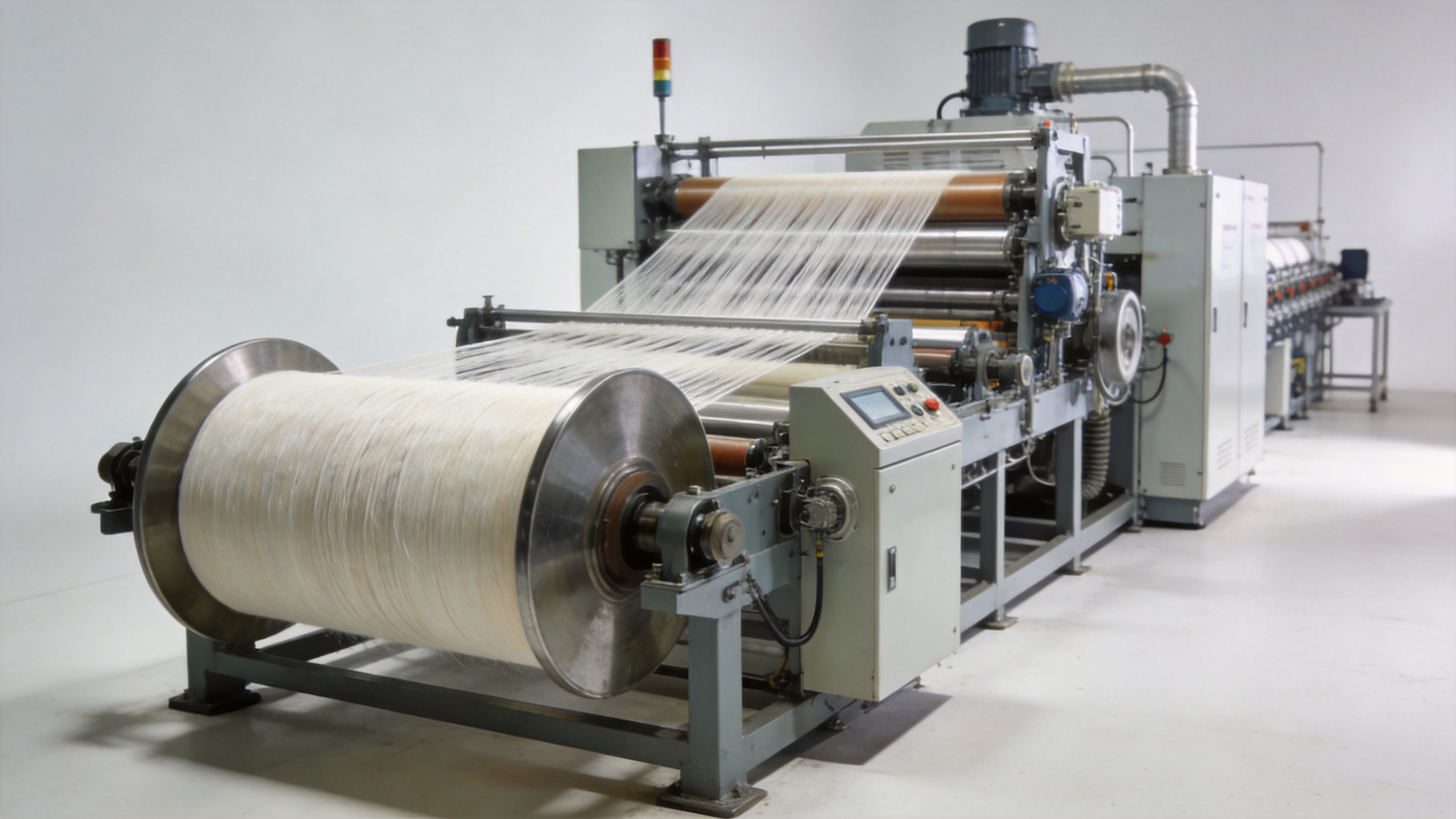
This is the heart of a useful fiber machinery comparison. The first question tests the function of the fiber making machine. The second tests whether the production equipment creates a workable industrial system. A capacity figure does not, by itself, show whether utilities, material handling, controls, and commissioning handoff points are ready to support that capacity.
Why the Distinction Matters in an RFQ
Two proposals can both mention a fiber making machine while covering very different responsibilities. One may stop at the primary forming module. Another may include upstream dosing, downstream conditioning, electrical cabinets, controls integration, installation guidance, or documentation. Neither scope is inherently wrong; what matters is whether the boundary is clear enough for a like-for-like comparison.
When evaluating manufacturing technology, use a scope matrix rather than a product-name comparison alone. Mark each stage as supplier scope, buyer scope, or handoff point to be confirmed. Then record the assumptions behind it: feedstock condition, target fiber dimensions or characteristics, operating schedule, utilities, layout constraints, automation expectations, inspection approach, and packaging method. That gives engineering, operations, procurement, and management teams a clearer basis for reviewing industrial solutions.
How to Choose the Right Level of Equipment
Choose a fiber making machine discussion when the conversion step is defined
A focused fiber making machine discussion is useful when your material is known, the required output form is clear, and adjacent systems are already available or deliberately outside the current project. Ask about the material path through the fiber making machine, the inputs it requires, the output it delivers, and the conditions that need site-specific confirmation.
Choose a processing-equipment discussion when handoff points drive risk
Start with fiber processing equipment when the project involves a new line, a feedstock change, a new fiber application, an expansion, or several parties sharing responsibility. Here, the fiber making machine remains important, but it should be reviewed alongside preparation, transfer, controls, quality evaluation, utilities, and post-processing. This is especially relevant when the finished fiber must move through multiple stages before it can be accepted or packaged.
A Decision Checklist for Fiber Machinery Comparison
- What feedstock enters the fiber making machine, and what condition must it meet?
- What output leaves the fiber making machine: continuous filament, tow, cut staple, opened fiber, or another form?
- Which upstream and downstream modules are included in the stated production equipment scope?
- Who supplies utilities, controls integration, interlocks, conveying, and material handling?
- Which fiber characteristics need to be measured, and at which process stage?
- What layout, access, maintenance, installation, and operator-readiness assumptions need confirmation?
- Which items are quoted as industrial solutions, and which remain project handoff points?
The checklist moves a fiber machinery comparison beyond product names and toward documented evidence. It also helps teams identify missing handoffs before a commercial decision turns into an engineering issue.
Moving From a Machine Request to a Defined Production Scope
A fiber making machine is a meaningful starting point, but the final equipment decision should connect that machine to the rest of the process. Soft Gem’s stated focus on whole-project planning, process-package discussion, equipment manufacturing, and digital information integration can be used as a conversation framework for defining those handoff points. The applicable scope, technical configuration, and expected results require project-specific review.
Put simply, use fiber making machine when referring to the core conversion function. Use fiber processing equipment when you mean the broader chain that makes the function usable in production. Clear terminology leads to clearer RFQs, more comparable production equipment proposals, and a more disciplined review of manufacturing technology.




 Hot News