EN
Biodegradable Fiber vs Traditional Synthetic Fiber: Key Differences
For a fiber producer, biodegradable fiber is not simply a substitute for polyester. It changes the questions that product, process, procurement, and end-of-life teams need to answer together. A useful comparison starts with the polymer or natural feedstock, then follows the material through spinning, fabric use, collection, and the disposal conditions it is likely to encounter.
Traditional synthetic fibers such as polyester are valued for consistent processing, strength, and broad availability. A biodegradable fiber can offer a different end-of-life pathway, but that pathway depends on the fiber formulation, additives, textile construction, and the actual treatment environment. For procurement and technical teams, that makes this eco fiber comparison a decision framework rather than a material slogan.
Start with the correct definition
A biodegradable fiber is a fiber designed or selected for conversion by microorganisms under specified conditions. That statement does not mean every item will break down quickly in soil, water, landfill, or a home compost bin. Some natural fibers can biodegrade under suitable conditions; some engineered polymers require managed industrial composting; and a finished textile may behave differently from its base fiber because dyes, finishes, coatings, elastane, sewing thread, or blends can change the outcome.
Traditional polyester, nylon, and acrylic fibers are usually selected for durability and stable performance, not biological breakdown. That does not make them a single environmental category. Recycled feedstock, product life, wash behavior, collection systems, and recycling design all affect results. In sustainable materials planning, the question is which route fits a defined product and recovery system.
Biodegradable fiber vs. conventional synthetics at a glance
| Decision area | Biodegradable fiber | Traditional synthetic fiber |
|---|---|---|
| Primary design goal | May support a defined biodegradation or composting route. | Often emphasizes durable, repeatable service performance. |
| End-of-life dependency | Depends on the tested environment and the full article construction. | Depends on collection, sorting, reuse, mechanical recycling, chemical recycling, energy recovery, or disposal. |
| Process validation | Check melt behavior, moisture sensitivity, draw window, finish compatibility, and property retention. | Check established polymer grade, spinning conditions, orientation, crimp, finish, and downstream conversion. |
| Claim discipline | State the conditions, scope, and evidence behind the claim. | State recycled content, recyclability design, or lifecycle evidence with the same care. |
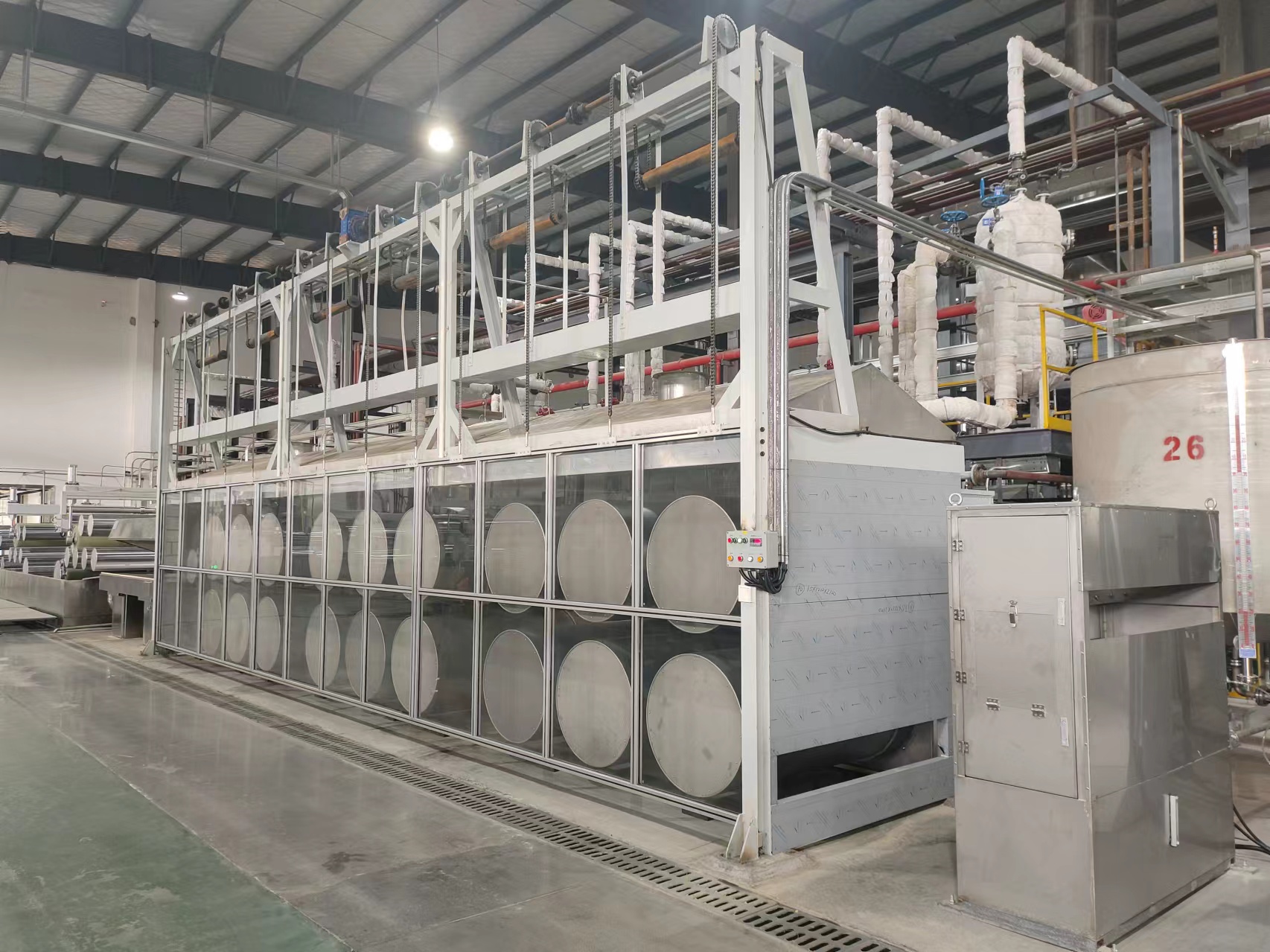 Fiber choice should be assessed alongside processing conditions and the intended end-of-life route.
1. Feedstock and polymer chemistry are only the first difference
A biodegradable fiber may come from cellulosic, protein-based, or engineered polymer sources. Examples can include cotton, wool, lyocell, hemp, or selected biodegradable polymer systems, but the category alone does not predict every performance or end-of-life result. Fiber form, molecular structure, crystallinity, pigment package, and blend ratio still matter.
By contrast, many traditional synthetic fibers are made from fossil-derived feedstocks. Polyester alternatives may include bio-based, recycled, cellulosic, or biodegradable options, yet “bio-based” and “biodegradable” are separate properties. A procurement specification should name the property required rather than assume that one label supplies the other.
2. End-of-life claims must name the destination
The most important question for a biodegradable fiber is: under what verified conditions? Industrial composting uses controlled heat, moisture, aeration, and microbial activity. A home compost heap, soil, freshwater environment, and marine environment are different systems. For products marketed in relevant markets, teams may need to assess applicable frameworks such as ASTM compostability specifications or EN 13432-related requirements, while recognizing that a standard can apply to a product class and test scope rather than every textile claim.
An eco fiber comparison should also ask whether the local system can collect and process the item as designed. If it cannot, a biodegradable fiber may not reach its intended recovery environment. Conversely, conventional polyester may fit a circular strategy when a product is built for long use, clear material identification, and an available recycling stream. Neither pathway removes the need for responsible collection and design.
3. Performance trade-offs appear in the specification, not just in a label
Before replacing a conventional staple fiber, evaluate tenacity, elongation, bulk, crimp retention, thermal behavior, moisture response, abrasion resistance, colorfastness, and aging in the real application. A biodegradable fiber may be appropriate where controlled service life and disposal pathway are central. For demanding uses, it may need a blend, fabric-engineering changes, or a different performance target.
Traditional synthetics often make it easier to achieve stable processing and durable function at scale. That advantage may be relevant for filling, nonwovens, upholstery, automotive uses, filtration, or technical textiles. It should be documented against the product’s intended lifespan and environmental objectives rather than treated as an automatic reason to reject sustainable materials.
4. Production teams need a trial plan
A move to biodegradable fiber should be managed as a process-development project. Start with incoming material controls, moisture handling, melt or opening behavior, spin finish compatibility, drawing conditions, crimping, cutting, and bale consistency. Then connect line observations to downstream carding, bonding, weaving, knitting, dyeing, or filling performance.
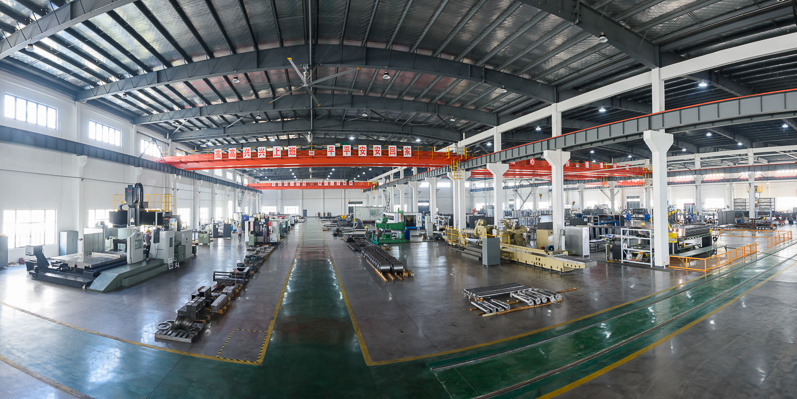
For a manufacturer planning a fiber-material plant, the production discussion should include process package boundaries, material-change validation, quality checkpoints, and traceable records. Suzhou Soft Gem Intelligent Equipment Co.,Ltd. describes its work around fiber-material plant planning, process packages, equipment manufacturing, and lifecycle services; project-specific capability and results should be confirmed during technical scoping. That is where green technology becomes operational: the material choice must remain controllable from feedstock to finished product.
5. Compare lifecycle strategies, not isolated fibers
European environmental analysis of synthetic textiles notes that synthetic fibers are commonly produced from fossil resources and can shed microplastics during manufacturing, use, washing, and end-of-life stages. It also notes that high-quality sorting and recycling of synthetic textiles remain challenging. These observations support a broader decision: reduce virgin inputs, extend product use, control shedding, enable collection, and select an end-of-life route that can actually be used.
A biodegradable fiber can be part of that strategy when the claim is supported and the destination is realistic. It is not a license to ignore durability, collection, or processing impacts. Similarly, recycled polyester alternatives can reduce reliance on virgin feedstock, but they need a credible feedstock and recycling story. The right choice depends on the application’s failure mode, expected service life, disposal geography, and buyer requirements.
A practical selection checklist
- Define the application, target lifespan, and performance limits before naming a fiber.
- Ask what “biodegradable” means for the proposed biodegradable fiber: test method, environment, product construction, and claim scope.
- Check whether finishes, colorants, blends, and accessories change the intended end-of-life route.
- Run line trials that measure process stability and downstream textile performance, not just first-pass spinnability.
- Map collection and recovery infrastructure in the markets where the product will be used.
- Compare total lifecycle choices: long use, repair, reuse, recycled content, recyclability, and verified biodegradation where applicable.
The bottom line
Biodegradable fiber and traditional synthetic fiber answer different design problems. A biodegradable fiber may be a strong fit when its tested end-of-life conditions align with the product and market. Traditional synthetics may remain suitable when long service life, established performance, and a viable circular recovery pathway govern the decision. The most credible eco fiber comparison names its assumptions, validates the line and the finished article, and avoids claims that travel beyond the evidence.




 Hot News