
 EN
Why Recycled Fiber Is Becoming Popular in Global Textile Markets
Recycled fiber has moved from a niche material conversation to a recurring supply-chain question for spinners, brands, converters, and plant planners. The shift is not driven by one announcement or one end market. It reflects a broader need to manage available feedstocks, respond to circular-economy expectations, and keep material decisions connected to actual textile performance. For a sustainable textile industry, that means asking not only where a material came from, but also how consistently it can be prepared, processed, tested, and used.
From a fiber-process advisory perspective, recycled fiber is most useful when teams distinguish feedstock variability from equipment capability. That sounds like a small distinction, yet it changes how a project is assessed. A line may be suitable in principle, while its practical result still depends on the condition, composition, and traceability of the recycled materials entering it.
Market demand is making recycled fiber a strategic topic
Global demand is giving recycled fiber more visibility because polyester remains a major part of textile production. Textile Exchange reported that approximately 9.7 million tonnes of recycled polyester were produced in 2025, with plastic bottles accounting for 97% of that volume. This does not make every recycled fiber route identical, but it shows that recycled inputs are already part of mainstream material planning rather than a limited trial category.
At the same time, the sustainable textile industry faces a significant collection and sorting challenge. The European Environment Agency notes that EU Member States must establish separate collection systems for used textiles from 2025. Better collection can make more material available for sorting and recycling, but collection alone does not create a usable spinning input. Recycled fiber needs a pathway from incoming material to a defined fiber specification.
This is where the circular economy becomes practical. A circular economy is not simply a label attached to a finished product. It requires decisions about collection, sorting, contamination control, material preparation, process settings, quality checks, and the eventual destination of the output. Each handoff affects what recycled materials can become next.
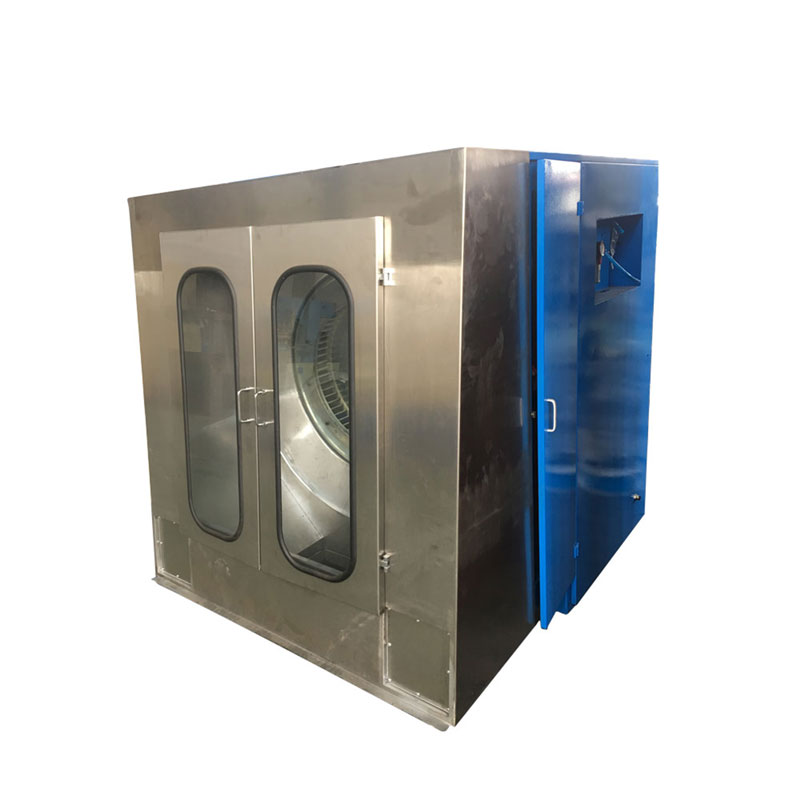
 Material preparation and process control help turn varied recycled inputs into a defined fiber output.
Why recycled materials are attractive to textile value chains
Recycled materials can offer a route to reduce reliance on newly produced feedstocks and to respond to buyer requests for recycled content. They can also help a manufacturer discuss material origin in a more structured way. However, recycled fiber should not be treated as a uniform commodity. Bottles, post-industrial scrap, production offcuts, and mixed textile waste can arrive with very different composition, moisture, color, contamination, and degradation histories.
That is why a green fiber production plan starts with characterization rather than a marketing claim. Teams need to know the material type, expected variation, cleaning requirements, and target application before setting expectations for recycled fiber. If the feedstock condition varies, the evaluation should include input-quality questions before drawing conclusions about line performance.
For example, a buyer evaluating recycled fiber for filling, nonwovens, spinning, or other textile uses should define the end-use requirements first. The needed fineness, tensile behavior, color tolerance, crimp, finish, and consistency may differ by application. Once these targets are visible, the production questions become more useful: What preparation is required? Which fluctuations need monitoring? What sampling plan will confirm that recycled fiber remains within the intended range?
Production readiness matters as much as material availability
Recycled fiber popularity is also tied to improvements in how plants think about process control. In green fiber production, the question is rarely whether a single machine feature sounds advanced. The more relevant question is whether material handling, drying or cleaning, extrusion or opening, filtration, drawing, finishing, and quality observation form a controlled sequence for the stated feedstock.
A useful shift is to treat feedstock as a design input. Recycled fiber planning should leave room for input-condition checks, rather than treating them as a footnote after capacity is set. Material variation can influence process stability, maintenance planning, and the evidence needed before a customer approves an output for a particular use.
This may be the right direction for a plant, although the final assessment depends on the fiber specification and site conditions. A process package therefore needs clear handoff questions: who supplies and verifies incoming recycled materials, where is contamination removed, how are changes documented, and which test results are used to release a batch? Making those handoffs visible helps keep circular-economy goals tied to operational decisions.
Textile-to-textile recycling remains an important gap
There is real momentum around recycled fiber, but market growth should not be confused with a fully closed loop. Textile Exchange reports that textile-to-textile recycled fiber production remained around 1% of all fiber production in 2025. Much of today’s recycled polyester still comes from bottle feedstock. That distinction matters because sorting mixed textiles, separating blends, and maintaining usable material properties can be more demanding than handling a relatively familiar feedstock stream.
For the sustainable textile industry, this gap creates both pressure and opportunity. Brands and converters may seek more recycled fiber, while recyclers and manufacturers need better ways to qualify incoming materials and match them to realistic applications. The circular economy becomes stronger when a material is directed to a route that matches its condition instead of being assigned a claim that the evidence cannot support.
A practical checklist for recycled fiber projects
- Define the intended use: State the target product and the fiber properties that matter before comparing process concepts.
- Characterize recycled materials: Record composition, contaminants, moisture, color variation, and traceability information that may affect green fiber production.
- Map handoffs: Review material preparation, utilities, controls, handling, testing, and responsibilities as one connected scope.
- Plan trials with limits: Set a trial objective, sampling method, acceptance criteria, and a record of what the trial does not prove.
- Verify claims separately: If recycled content or environmental statements are needed, identify the applicable documentation and third-party verification route before publication.
What wider adoption means for textile manufacturers
Recycled fiber is becoming popular because it connects material sourcing, policy direction, product development, and process improvement in one discussion. It also exposes the limits of simple comparisons. Capacity alone does not show whether a recycled fiber project is ready. Teams need to connect the desired output to the condition of recycled materials, the process window, and the evidence used to verify the result.
For manufacturers considering recycled fiber, the next step is not to assume that every feedstock suits every application. It is to create a structured brief: define the end use, list the incoming-material questions, identify the critical process handoffs, and agree on the tests needed for the target market. That approach can make green fiber production more disciplined and can help a circular economy move from an aspiration to a workable production conversation.
Suzhou Soft Gem Intelligent Equipment Co.,Ltd. can support early planning discussions by helping teams organize process handoffs for fiber-material projects. Any production scope, performance target, and evidence requirement should be confirmed against the specific feedstock, site conditions, and intended fiber application.





 Hot News

