
 EN
Complete Guide to Recycled Fiber Manufacturing Process
A recycled fiber project is not simply a bottle-to-yarn story. It is a chain of material decisions: define the incoming feedstock, remove contamination, stabilize the polymer stream, form filaments, and verify the output against the intended application. For an industrial buyer, the useful question is how each part of a recycled fiber line supports repeatable coordination across production, quality, engineering, and procurement.
Most recycled fiber discussions focus on sustainability. That context matters, but manufacturing planning starts with a more practical issue: what material enters the line, what form must leave it, and what evidence will show that the process is under control? This guide follows that decision path for recycled polyester manufacturing and related PET-based routes.
Start With the Recycled Fiber Target
Before selecting equipment, define the recycled fiber target in terms that production and quality teams can use. Is the output intended for staple fiber, filament yarn feedstock, filling, nonwovens, or another downstream process? The target affects feedstock specifications, filtration needs, spinning conditions, drawing, crimping, cutting, and the release tests that should be agreed before commissioning.
A recycled fiber specification should also separate confirmed requirements from assumptions. Examples include polymer type, permitted feedstock sources, color-management approach, moisture limits, contaminant tolerance, denier range, staple length, and packaging format. It is easy to describe a desired fiber property too early; first identify what test method and acceptance record would substantiate it.
How a Recycled Fiber Production Line Fits Together
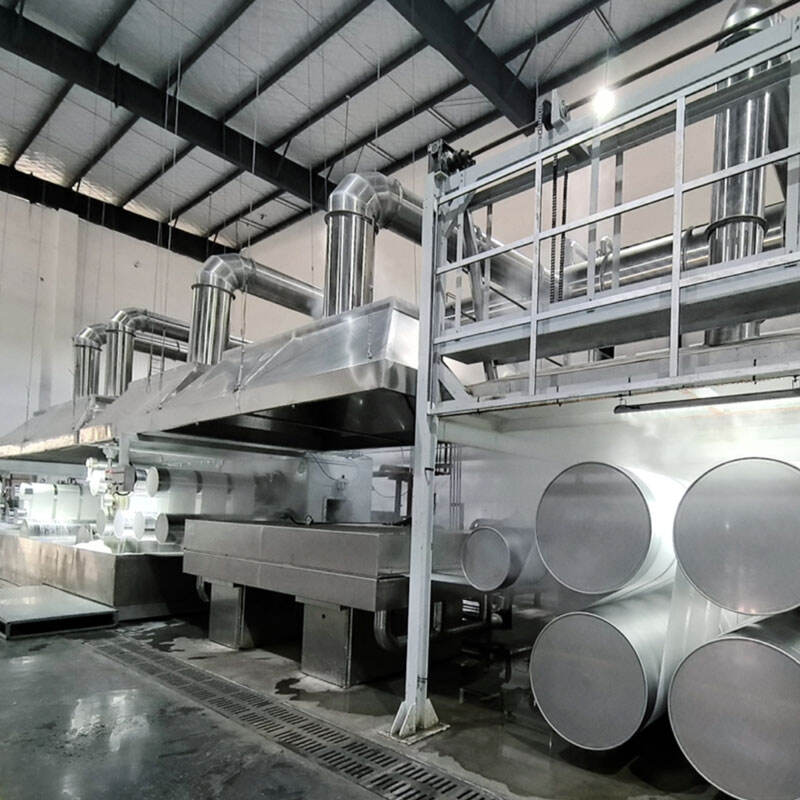
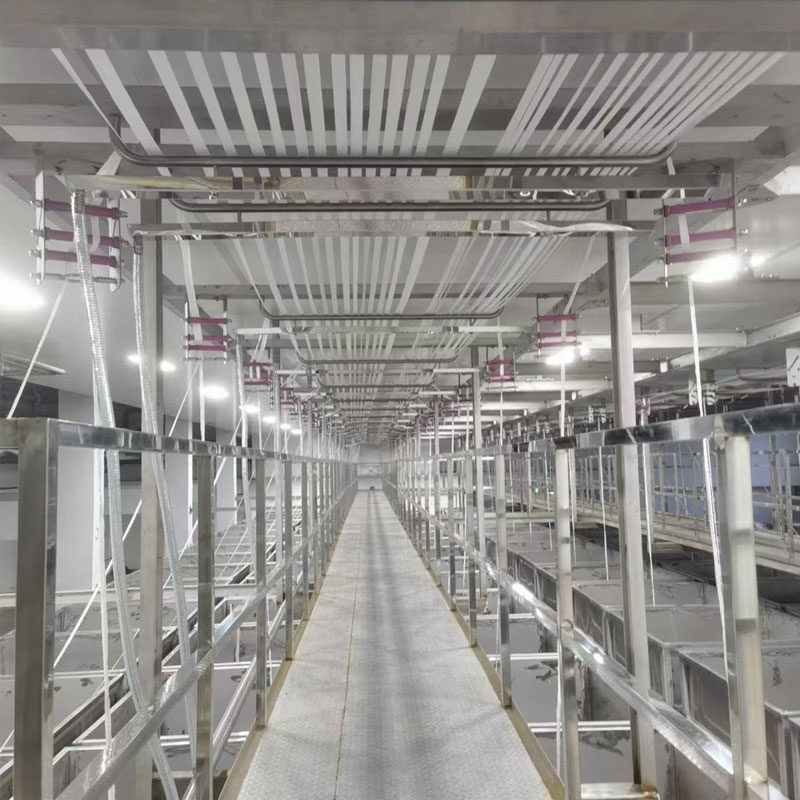
A recycled fiber production line usually connects preparation, melt processing, spinning, and finishing into one controlled flow. The exact arrangement varies with feedstock and fiber type, so it should be treated as a project-specific scope rather than a fixed recipe. Still, the main checkpoints are consistent enough to guide early planning.
- Receiving and sorting. Recycled fiber quality begins before extrusion. Feedstock is identified, sorted by material and color where needed, and checked for items that can introduce unwanted polymers, labels, metals, paper, or other contaminants.
- Washing, size reduction, and separation. For post-consumer PET, documented reclaim flows can include grinding, washing, density separation, drying, and air separation. These stages help prepare flakes or other feed material for the next operation; they do not by themselves establish the final recycled fiber quality.
- Drying and controlled feeding. Moisture management and stable dosing are central checks before melt processing. The operating window should be validated for the selected feedstock rather than copied from a different recycled fiber project.
- Melt preparation and filtration. The material is heated and homogenized, then filtered according to the intended process. Filter strategy, pressure monitoring, changeover practice, and reject handling should be considered together because they affect continuity and material accountability.
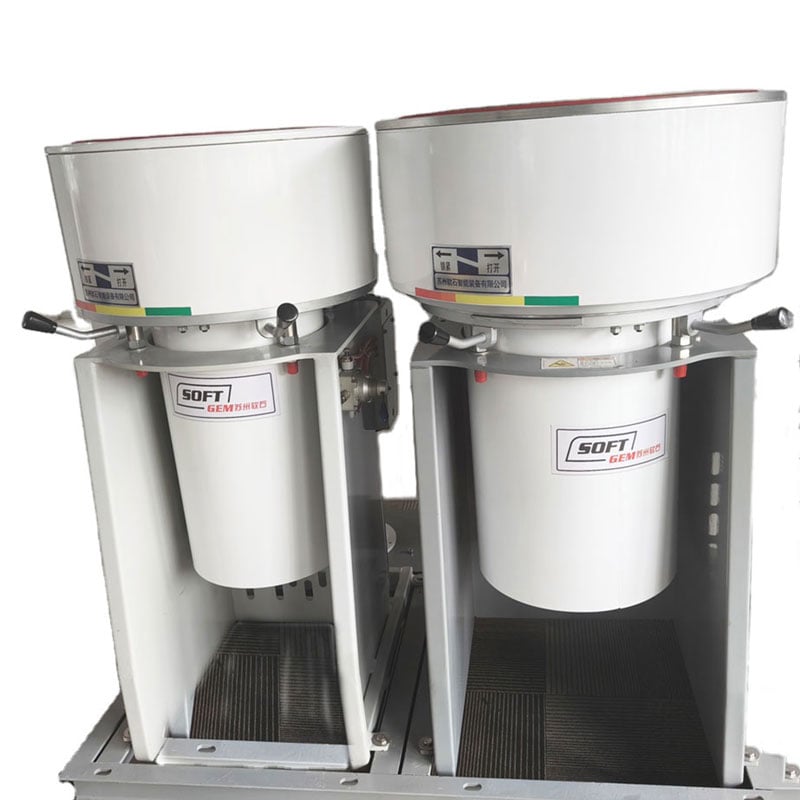
- Spinning and cooling. The prepared melt is formed through spinnerets into continuous filaments. Cooling and take-up conditions influence how the recycled fiber proceeds to drawing or later conversion.
- Drawing, finishing, and conversion. Depending on the output, filaments may be drawn, relaxed, crimped, cut, wound, or baled. A recycled fiber production line should make the handoffs between these stages visible, including who responds when measurements move outside the agreed range.
 A process-flow illustration of key recycled fiber manufacturing stages.
Why Feedstock Control Shapes Recycled Polyester Manufacturing
In recycled polyester manufacturing, incoming PET condition has a direct effect on how teams plan cleaning, separation, drying, and filtration. Mechanical recycling is commonly described as sorting, cleaning, shredding, and melting plastic without changing the physical structure of the chemical building blocks. That description is useful as a process frame, but it does not replace a feedstock-control plan.
A practical recycled fiber intake plan records source category, bale or lot identification, visible contamination, color mix, storage conditions, and the sampling approach. When quality changes, these records help a team trace whether the issue originated in feedstock, preparation, melt handling, spinning, or finishing. This distinction is especially useful when several stakeholder groups must review the same recycled fiber project.
Use Fiber Recycling Technology as a Set of Checkpoints
Fiber recycling technology is often discussed as a single capability. In reality, it is a set of linked operations and measurements. The useful engineering conversation is not “Which technology is more advanced?” but “Which checkpoints address the stated input, output, and validation needs?”
For mechanical routes, teams commonly examine sorting effectiveness, wash quality, flake cleanliness, drying consistency, melt stability, filtration behavior, and the repeatability of downstream fiber testing. Chemical or other conversion routes may introduce different controls and should be evaluated against their own material, utility, safety, and documentation requirements. A fast answer about a route can be less useful than a qualified answer that identifies the evidence still needed.
Where recycled content claims are part of the commercial scope, documentation should be planned alongside production. The Recycled Claim Standard and Global Recycled Standard are examples of frameworks with third-party criteria for recycled materials and chain of custody. Certification applicability, scope, and audit requirements should be confirmed with the relevant certification body rather than assumed from the line design.
Plan Quality Control Around the Recycled Fiber Flow
A recycled fiber quality plan works better when it follows the material flow. Incoming inspection addresses feedstock identity and contamination. In-process checks can address moisture, pressure, temperature, filtration conditions, and continuity. Finished-goods testing should reflect the requirements of the intended downstream application, using agreed methods and sampling frequencies.
For each recycled fiber checkpoint, document three items: the measurement, the decision limit, and the action if the result falls outside the agreed range. This turns a technical list into an operating workflow. It also helps procurement compare supplier scope before comparing a quotation, because sensors, reject paths, laboratory support, data capture, and commissioning support may not be included in every proposal.
Questions to Ask Before Specifying a Recycled Fiber Line
- What feedstock types and source records will the recycled fiber process accept?
- Which contaminants must be removed, and how will the removal result be verified?
- What output form and test methods define an acceptable recycled fiber lot?
- Which utilities, material handling, automation interfaces, and waste streams are included in the scope?
- What trial, acceptance, training, maintenance, and traceability records are required before handover?
The initial quotation is only one input. A recycled fiber project should be compared through its preparation scope, process integration, operating requirements, maintenance access, validation plan, and documentation. When reviewing a trial observation, distinguish what was seen from what would need additional validation at the planned operating conditions.
Turning a Process Map Into a Project Brief
A useful project brief connects the recycled fiber production line to a clear handover path. Start with the feedstock and output definition, map the decision checkpoints, identify interfaces between departments, and assign the evidence needed at each milestone. This approach supports a focused feasibility conversation without turning preliminary assumptions into performance claims.
Suzhou Soft Gem Intelligent Equipment Co., Ltd. presents its role as planning and integrating overall fiber-material plant solutions. For a prospective recycled fiber project, the relevant next step is to confirm the specific process package, engineering boundaries, equipment scope, and acceptance criteria for the stated material and product target.
With those conditions defined, recycled fiber manufacturing becomes easier to evaluate as a controlled system rather than a collection of machines. What information would your team need to confirm before comparing two recycled fiber line concepts?



 Hot News

