EN
How Is Low Melt Fiber Produced? Manufacturing Process Explained
For a fiber producer, binder fiber is not simply ordinary staple with a lower oven setting. It is an engineered low melt fiber material designed so that one component softens at a controlled point while the supporting fiber structure remains useful. That behavior makes binder fiber valuable in bonded nonwovens, padding, insulation, filtration media, and other constructions where heat can replace part of the chemical-binder step.
The exact recipe, temperatures, and line settings depend on polymer choice, denier, cut length, and the target web. Still, the manufacturing logic is consistent: prepare compatible polyester materials, create the intended fiber cross-section, stabilize the filaments, and convert them into uniform staple. This article follows that practical binder-fiber manufacturing path from polymer handling to finished bale.
What gives binder fiber its bonding function?
Many grades of binder fiber use a bicomponent arrangement. A common concept is a higher-softening core paired with a lower-softening sheath. During downstream heating, the sheath can flow or soften at fiber contact points while the core helps the fiber retain its basic form. Other binder fiber designs may use a modified single-component polyester, but the same question applies: how will the material respond during the customer’s thermal bonding cycle?
This is why a polyester processing route starts with formulation rather than the spinning beam. The polymer system must be selected for melt compatibility, thermal response, color needs, downstream processing, and the end-use substrate. A binder fiber intended for lofty cushioning can call for different balance points than one intended for a dense, thermally bonded sheet.
Step 1: Prepare, dry, and meter the polymer streams
In a typical binder-fiber manufacturing line, polyester raw material is dried and fed to extrusion equipment. Moisture control matters because excessive moisture can affect melt stability and molecular structure during processing. For bicomponent low melt fiber, the core and sheath materials are handled as separate, controlled streams before they meet at the spinning assembly.
Operators monitor feed consistency, melt condition, filtration condition, and pressure behavior. The aim is not a headline number; it is a stable melt delivered to the spinneret over time. Variation at this point can later show up as uneven filament size, inconsistent bonding response, or avoidable waste during the polyester processing route.
Step 2: Form the sheath/core geometry at the spinneret
The spinneret is where binder fiber becomes more than a blend of pellets. In a sheath/core process, a dedicated distribution system directs the two polymer melts so that the lower-softening component surrounds, or is otherwise positioned relative to, the supporting component. The assembly then extrudes many continuous filaments through precisely formed capillaries.
Geometry control is central to thermal-bonding control. If the intended component distribution drifts, the finished binder fiber may not activate as expected across a web. Production teams therefore watch pressure balance, polymer throughput, pack condition, and filament appearance. These checks support consistency without assuming that one geometry or temperature suits every heat-activated fiber materials application.
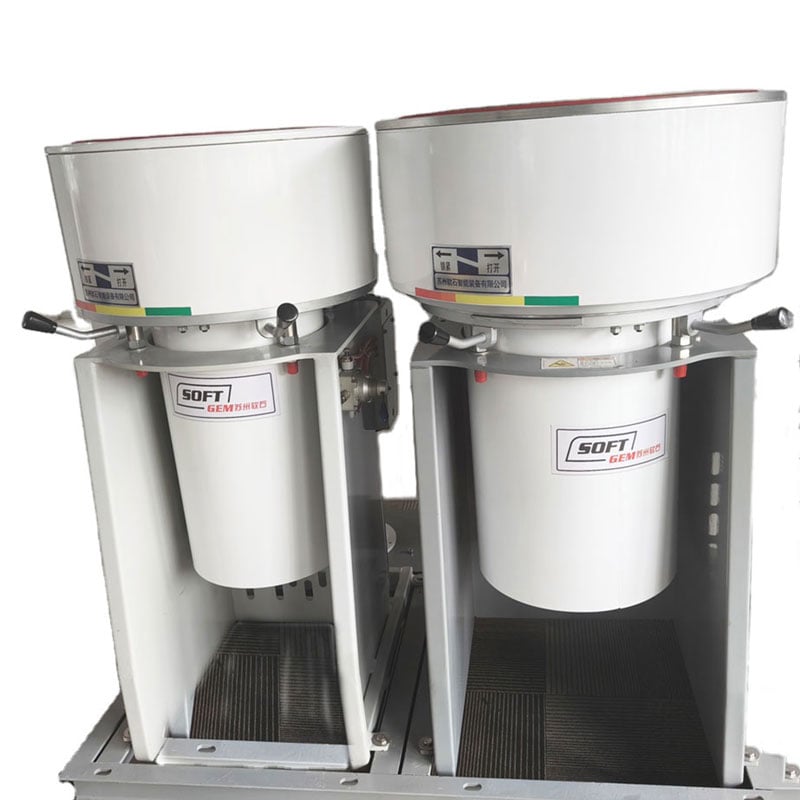
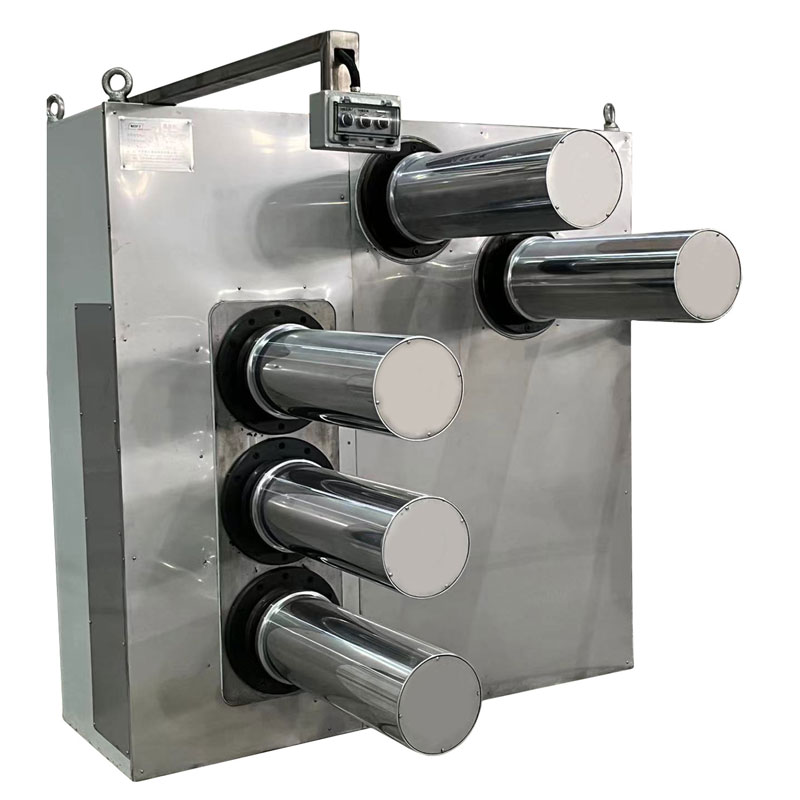
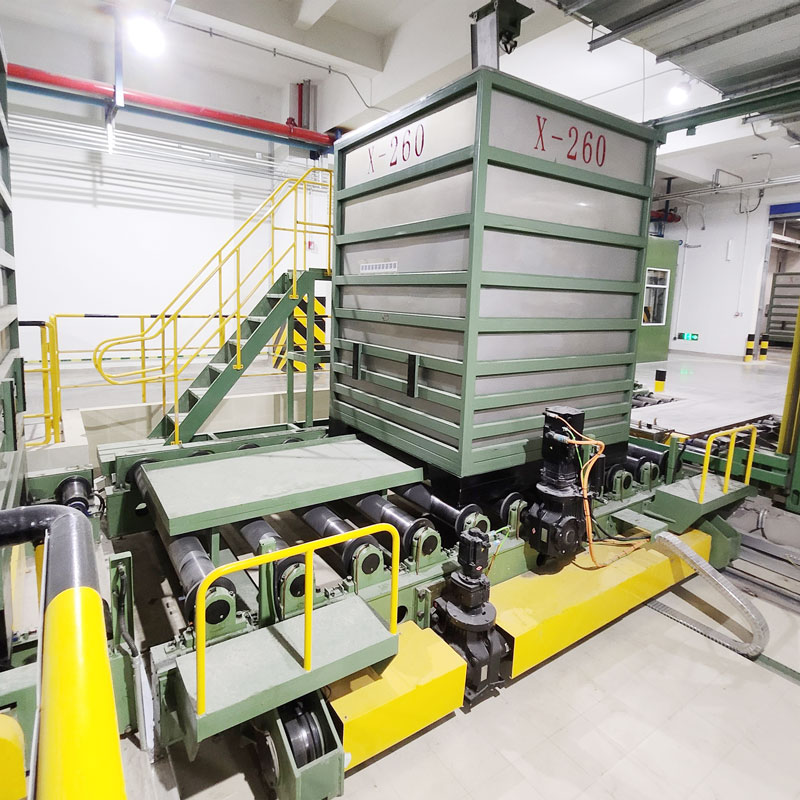 A process view of fiber formation stages used in binder-fiber manufacturing.
Step 3: Quench, gather, and draw the filaments
Fresh filaments must be cooled in a controlled way after spinning. Quench air helps solidify the extrudate before it is gathered into tow. The tow then moves through drawing stages that orient the polymer chains and establish a usable combination of strength, elongation, and handling behavior.
Drawing is a careful balance for low melt fiber. Too little orientation can leave the tow difficult to process; excessive or poorly balanced treatment may affect the response of the lower-softening component. The production objective is a tow that can be crimped and cut reliably while preserving the architecture needed for later thermal bonding.
Step 4: Crimp, relax, finish, and cut into staple
After drawing, the tow is usually crimped to add bulk and cohesion. It may then be relaxed or heat treated under conditions appropriate to the grade. A finish can be applied where needed to support opening, carding, blending, or other downstream handling. Finally, the continuous tow is cut to the selected staple length.
At this stage, binder-fiber manufacturing becomes a product-format decision as well as a polymer process. Denier, crimp, cut length, and finish all influence how the binder fiber disperses in a blend and how the web behaves before it enters a bonding oven. A polyester processing route that looks stable on the line still needs to be assessed against the customer’s formation equipment.
Step 5: Verify the thermal bonding window
Finished low melt fiber is sampled before packing. Typical checks can include appearance, linear density, cut length, crimp, moisture, and thermal response. For bicomponent grades, a useful evaluation asks whether the low-softening component can create contact bonds in the intended heating range without damaging the desired web structure.
That verification links fiber manufacturing to thermal-bonding control. Low melt fiber does not form the final bonded article at the spinning line. It is later blended, laid into a web, and heated by the converter. Air-through bonding, oven bonding, or other thermal methods may be used depending on the material system. Trial conditions should be established with the actual companion fibers and product specifications rather than copied from another grade.
Where process control has the greatest impact
- Polymer preparation: stable, dry feedstock supports repeatable melt behavior.
- Component distribution: sheath/core balance influences how binder fiber responds to heat.
- Filament uniformity: consistent spinning and quenching support even downstream processing.
- Drawing and crimping: these stages affect web formation, bulk, and fiber handling.
- Thermal evaluation: confirm bonding behavior with the real blend, web weight, and heating method.
A practical way to specify binder fiber
When discussing a new binder fiber project, start with the end-product question: what must bond, at what part of the converter’s process, and what properties must remain after heating? Then align fiber construction, staple format, blend ratio, and trial plan with that requirement. This approach gives heat-activated fiber materials a clearer route from a production line to a repeatable web process.
For plants planning or updating a fiber-material line, a process package should connect polymer handling, spinning, drawing, crimping, cutting, and quality checks rather than treat them as isolated sections. Low melt fiber performs its bonding role downstream, but reliable performance starts with disciplined manufacturing upstream.
In a specification review, teams may track low melt fiber production, fiber bonding technology, the polyester fiber process, and thermal fiber materials as connected but separate decisions. That vocabulary helps keep polymer design, staple manufacture, and converter trials aligned.


 Hot News