EN
How to Optimize PET Fiber Production Line Performance
When a PET fiber machine misses a production or quality target, the useful response is rarely to change one setting in isolation. A PET fiber line is a connected system: incoming material, drying, melt preparation, spinning, drawing, crimping, cutting, controls, and inspection all influence the next stage. For operators and process teams, the practical goal is to make the PET fiber machine observable, adjustable, and maintainable through a repeatable routine rather than through one-off corrections.
This approach supports production optimization without turning a target fiber property into a promise. Start with the intended fiber application and the operating evidence available at the line. Then identify which condition changed, where it first became visible, and what should be checked before altering the PET fiber machine.
1. Define performance before changing the PET fiber machine
“Better performance” can mean different things: steadier throughput, fewer interruptions, more consistent denier, fewer visual defects, more stable cut length, or clearer operating records. A PET fiber machine cannot be optimized against an undefined objective. Give each improvement effort one primary measure and a small set of guardrails, such as material loss, quality checks, energy trend, or maintenance burden.
Build a shift-level baseline before changing the PET fiber machine. Record production rate, relevant temperature and pressure trends, draw conditions, yarn or tow observations, cut-length checks, scrap category, alarm history, and the lot or blend of incoming PET. The point is not to collect every available signal. It is to create a common timeline that lets production, quality, and maintenance teams discuss the same event.
- State the product specification and the observation that triggered the review.
- Mark the time, material lot, operator handover, and active recipe.
- Separate a short upset from a repeating pattern across shifts or lots.
- Decide before the review which process change requires a documented trial.
2. Stabilize PET manufacturing inputs first
For a PET fiber machine, material conditioning is a production variable, not background housekeeping. PET and regrind need moisture control before melt processing; technical processing guidance notes that excess moisture can contribute to processing problems and polymer degradation. The applicable drying window, residence time, and moisture target depend on the material grade and line design, so teams should use their approved process documentation rather than copy settings from another plant.
In recycled PET manufacturing, incoming flakes or feedstock may vary in contamination, color, particle form, bulk density, and residual moisture. Treat that variation as a design input for the PET fiber machine. Compare the material receipt record with the first sign of instability. If a fluctuation follows a material change, verify preparation, screening, drying, and feeding conditions before assuming that the spinning section is the root cause.
Useful checks include dryer loading and discharge consistency, dew-point or moisture records where available, feed-rate stability, contamination-control practices, and the handoff between storage and melt preparation. This is a more productive form of production optimization than increasing temperatures merely to compensate for an uncertain material condition.
3. Review the melt-to-spinning handoff as one control loop
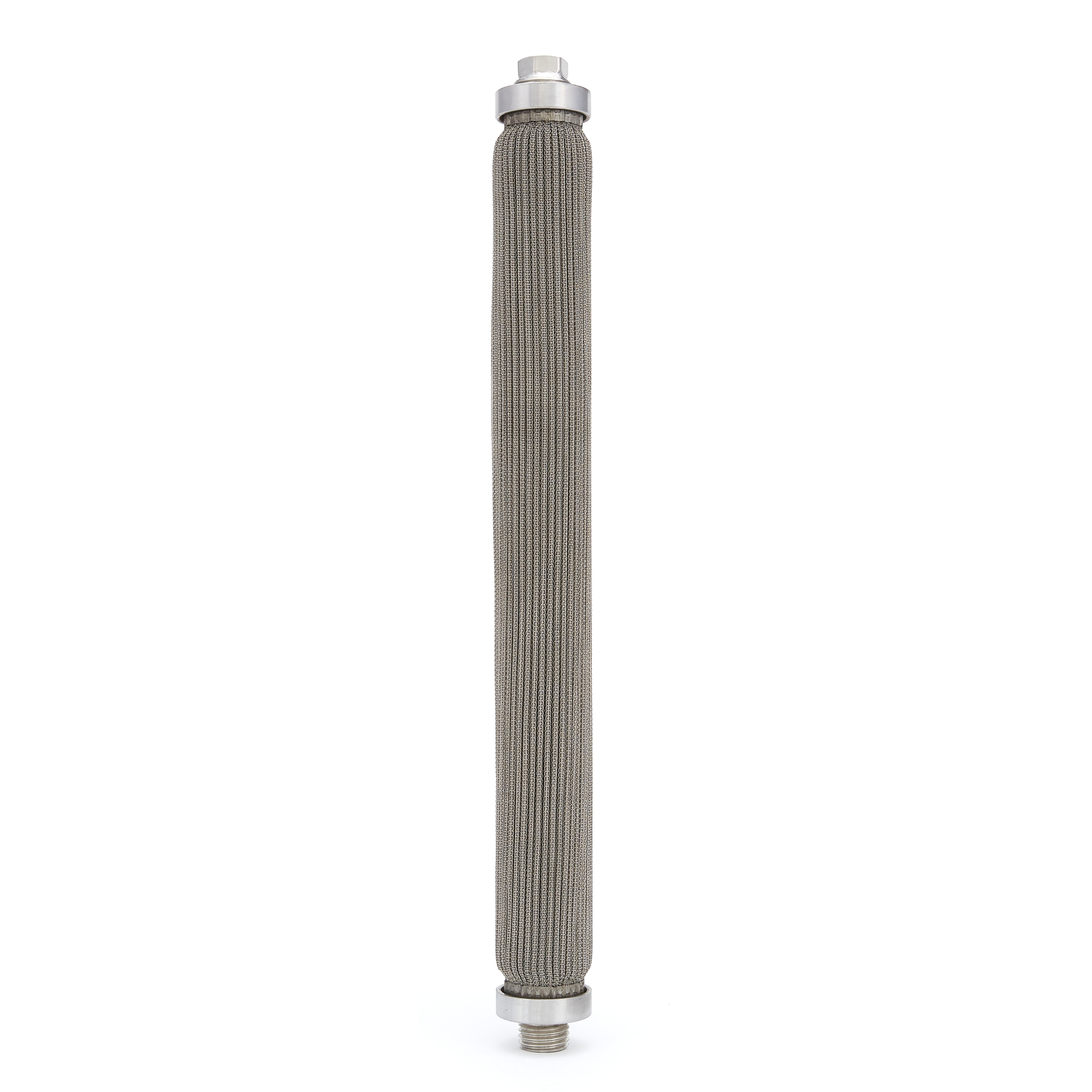
A PET fiber machine converts conditioned polymer through linked thermal and mechanical stages. Melt temperature, pressure behavior, filtration condition, residence time, metering stability, and spinneret cleanliness should therefore be reviewed together. A single high or low reading does not explain the entire line; the sequence of changes often matters more.
For example, if output becomes inconsistent after a stable upstream feed, compare pressure trend, filter-change history, metering-pump behavior, and the condition of the spinning pack. If an operator adjusts a setpoint, log the reason, time, expected response, and observed result. This creates a useful feedback loop for fiber equipment efficiency and prevents several untracked changes from hiding the original signal.
Make visual observations part of the PET fiber machine routine. Note filament behavior, pack-change interval, breaks, deposits, and abnormal vibration or noise using consistent categories. The aim is not to diagnose every event from appearance alone. It is to link an observable symptom to the upstream and downstream evidence that needs review.
4. Match drawing, crimping, and cutting to the actual fiber objective
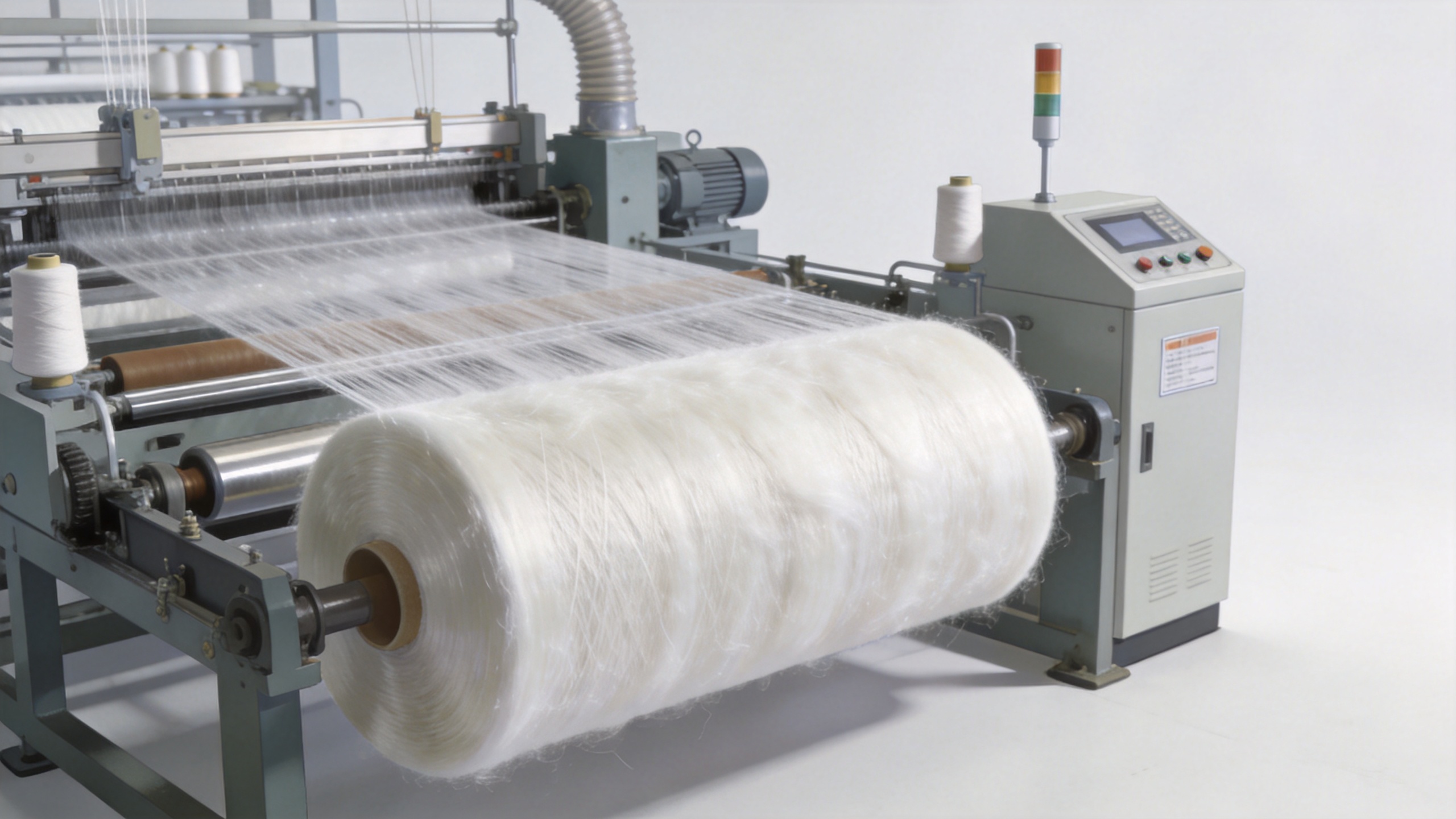
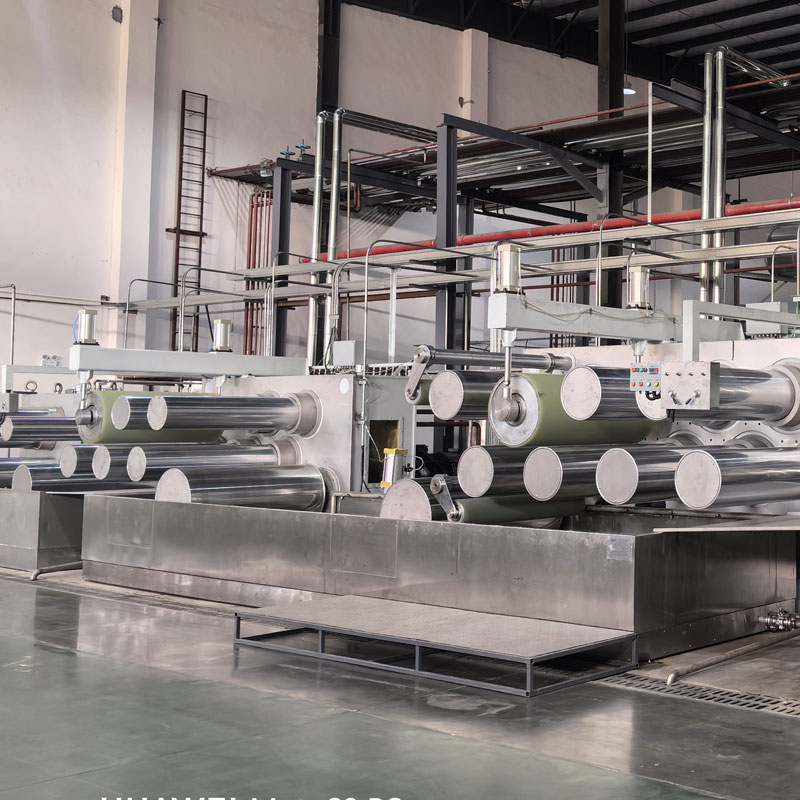
After spinning, the PET fiber machine still has several opportunities to introduce variation. Drawing conditions, tension balance, thermal treatment, crimp development, relaxation, and cutting interact with the specification that the production team is trying to meet. A change that appears to improve one observation can shift another quality characteristic, so each adjustment should be evaluated against the agreed objective and guardrails.
Use a controlled-trial method when the line is stable enough to learn from it. Define one variable, keep other relevant conditions documented, identify the sample or time window, and agree on the inspection method. If the trial involves recycled feedstock, retain the material traceability record. This discipline helps teams distinguish a repeatable response from a coincidental change in PET manufacturing conditions.
| Process area | Question to ask | Evidence to review |
|---|---|---|
| Drawing | Did tension or thermal conditions change with the observed variation? | Recipe, speed trend, tension observations, sample checks |
| Crimping | Is the pattern consistent across the tow? | Crimper condition, operating record, visual inspection |
| Cutting | Did cut-length variation appear after an upstream event? | Blade condition, feed stability, cut-length samples |
5. Improve fiber equipment efficiency through visibility and maintenance
Fiber equipment efficiency is not only a speed target. It also depends on how quickly the team can see a developing deviation, decide who owns the next check, and restore a documented operating condition. For a PET fiber machine, a short daily review of recurring alarms, breaks, quality holds, maintenance actions, and material changes can reveal patterns that a single shift cannot see.
Plan maintenance around the failure modes that matter to the line. Inspect components that affect feeding, heating, filtration, metering, motion, tension, crimping, and cutting according to the machine documentation and actual operating observations. Record what was found and what condition was restored. A maintenance task becomes more valuable when it is connected to an operating symptom rather than treated as a disconnected checklist item.
Digital records can support this routine when they make handovers clearer. Soft Gem describes digital information integration and material-flow and handoff review as topics for project-specific engineering discussion. Teams evaluating a PET fiber machine can ask for a clear description of available signals, alarm logic, record ownership, and the handoffs that must be confirmed during commissioning or upgrades.
6. Use a weekly optimization review
A weekly review keeps production optimization focused on evidence. Bring together production, quality, maintenance, and process personnel to examine the same baseline. Select one recurring loss or variation, map the material-to-fiber sequence, and assign the next verification step. Avoid treating a capacity figure as proof that utilities, controls, material preparation, and operator routines are ready to support it.
- Confirm the fiber objective and the performance measure under review.
- Compare the event timeline with material, recipe, alarm, and maintenance records.
- Identify the earliest reliable signal rather than the most visible downstream symptom.
- Run one documented change or inspection step when conditions permit.
- Review the result with the same quality and operating criteria used at the start.
Conclusion: optimize the whole PET fiber machine system
A PET fiber machine performs most consistently when teams treat it as a connected production system. Material preparation, melt stability, spinning behavior, downstream handling, maintenance, and information flow all deserve a place in the review. By defining the target, recording conditions, testing one change at a time, and validating results against the intended fiber use, a PET fiber machine team can make more dependable operating decisions. For projects that require process-package or handoff planning, request the site-specific evidence and engineering scope needed to judge the next step.


 Hot News