
 EN
PET Fiber Machine Selection Guide for Industrial Production
Choosing a pet fiber machine is rarely a matter of comparing one extrusion unit against another. For an industrial buyer, the useful question is how the proposed process will handle the intended input, produce the required fiber, and connect with the utilities, controls, material handling, and acceptance work that surrounds it. At first this looks like a machine-selection issue; more precisely, it is a process-and-handoff selection issue.
A practical pet fiber machine evaluation starts with a written production objective. Define whether the feedstock is virgin polymer, recycled flakes, recycled pellets, or a planned mix; then state the target fiber type, denier range, finish, end use, and operating priorities. This gives engineering, quality, production, and procurement teams the same basis for reviewing scope. It also keeps a quotation from being judged only by its headline capacity.
Start With the Fiber and Feedstock, Not the Equipment List
Before asking a PET fiber equipment supplier to recommend a configuration, create a feedstock profile. Record likely variation in moisture, contamination, color, bulk density, particle form, and available inspection data. For recycled PET, this step matters because contamination, thermal history, moisture exposure, oxygen exposure, and mechanical stress can affect polymer condition and downstream quality. The final engineering assessment remains site-specific, but feedstock uncertainty should be treated as a design input rather than a footnote.
Next, convert the commercial target into process questions. Is the output intended for filling, nonwoven, spinning, or another use? Which fiber attributes must be controlled? What sampling and release criteria will the plant use? A pet fiber machine may be suited to a stated objective only when the upstream preparation, melt handling, spinning, drawing, crimping, cutting, and baling or collection stages are reviewed against those questions.
- Document incoming-material condition and how it will be checked.
- Define fiber specifications and tolerances before line comparison.
- Identify whether the project needs a trial path, a production line, or a staged expansion plan.
- List the utilities and operating constraints at the proposed installation site.
Compare the Pet Fiber Machine as a Linked Process
An industrial pet fiber machine should be assessed as a linked production system. A core spinning section is important, but it does not stand alone. Feed preparation, drying or crystallization where applicable, filtration, extrusion, spinning, quenching, drawing, tow handling, finishing, cutting, packing, and control handoffs can all change the practical scope of an industrial production line.
That said, the next question is not which option sounds more advanced, but which option fits the stated production objective. Ask each supplier to show the material path and the ownership boundary at every handoff. For example, clarify who defines feedstock conditioning, who supplies ancillary equipment, how process settings are recorded, and how downstream handling is coordinated. A fiber production machine proposal becomes easier to compare when every handoff has an owner, a design input, and an acceptance method.
| Selection area | Questions to ask | Evidence to request |
|---|---|---|
| Feedstock preparation | What input form and condition are assumed? | Material specification, inspection plan, and process boundary list |
| Thermal and melt process | How are drying, melt transfer, filtration, and temperature control addressed? | Process-flow description and instrumentation list |
| Fiber-forming section | How does the proposed scope align with the target fiber specification? | Configuration basis and trial or acceptance plan |
| Controls and data | Which operating variables can teams observe, trend, and adjust? | Control narrative, alarm philosophy, and data-exchange definition |
| Downstream handling | How are tow, cut fiber, storage, and packing interfaces managed? | Layout boundaries and handoff responsibilities |
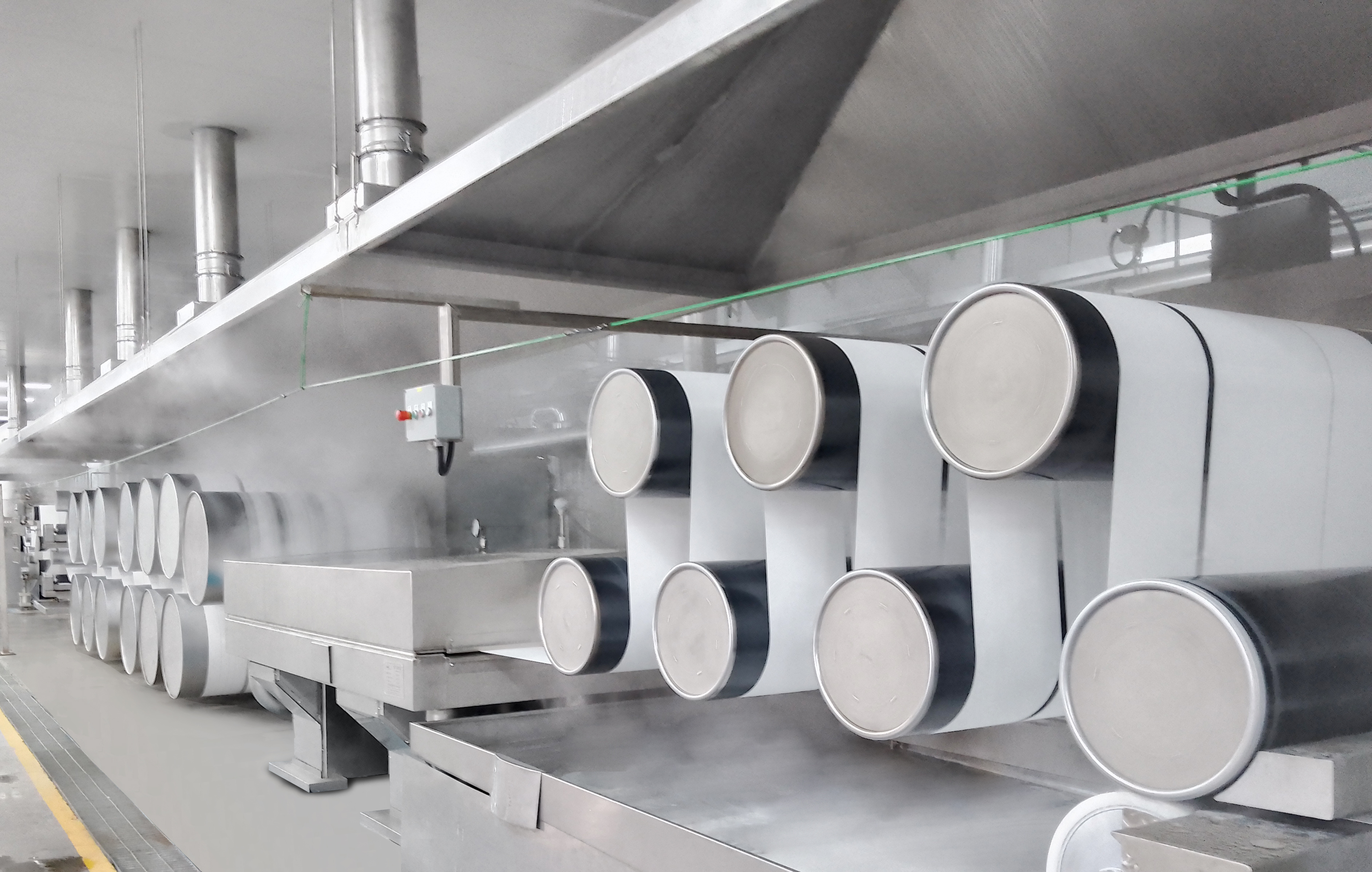 Process interfaces should be reviewed as one connected industrial system.
Match Capacity to Readiness
Capacity is necessary, but it is not a substitute for readiness. When comparing a pet fiber machine, examine planned operating hours, changeover expectations, maintenance access, utilities, staffing, material storage, and quality-lab workflow alongside throughput. A quoted output figure has limited value if the plant cannot supply consistent input or manage the interfaces needed to run the process safely and repeatably.
This is where polyester fiber machinery selection often benefits from a cross-functional review. Production staff may focus on access and stable operation; quality personnel may focus on sampling and traceability; engineers may focus on heat, power, air, water, layout, and interlocks; procurement may need a clear scope comparison. Bring these views together before the preferred configuration is fixed. The outcome is not a generic checklist but a set of project-specific decisions.
Review Controls, Maintenance, and Quality Evidence
For operators, a pet fiber machine is more workable when the process can be observed, adjusted, and maintained consistently after commissioning. Ask how process data will be displayed, retained, and interpreted; identify routine checks; and clarify access to wear parts and service areas. Do not assume that an automation label answers these questions. Review the actual control scope, sensor coverage, alarm logic, and handoff between equipment packages.
Quality evidence should be planned before purchase, not after start-up. Depending on the material and application, teams may agree on incoming-material checks, fiber test methods, sampling frequency, and comparison rules. Published recycled-PET guidance illustrates why parties sometimes specify intrinsic-viscosity evaluation methods, but the applicable methods and limits for a fiber project should be confirmed with qualified technical and quality teams. The same principle applies to color, contamination, physical-property, and end-use checks.
Use a Structured Supplier Review
A useful supplier discussion tests project understanding rather than relying on broad claims. Give each PET fiber equipment supplier the same input brief and request a response that separates confirmed scope, assumptions, exclusions, optional modules, utilities, commissioning support, documentation, and acceptance criteria. This makes a pet fiber machine comparison more transparent and reduces the chance that important handoffs disappear between quotations.
- Issue a requirements brief covering feedstock, fiber target, capacity concept, site constraints, and decision timeline.
- Ask for a process-flow and scope-boundary review, not only an equipment list.
- Compare assumptions line by line, including interfaces supplied by others.
- Agree on factory, site, and performance acceptance evidence appropriate to the project.
- Confirm training, documentation, spare-parts planning, and escalation contacts before contract finalization.
A Decision Framework for the Next Step
The right pet fiber machine is the one whose scope fits the feedstock reality, required fiber outcome, site readiness, and operating model. It may be tempting to begin with line capacity or a short list of modules. A stronger approach is to begin with the measurable production objective, map every process handoff, and then evaluate how each proposal supports the documented requirements.
For complex projects, a planning conversation can organize the questions around process package, engineering design, equipment scope, digital information integration, terminal fiber requirements, and lifecycle service. Those items should be confirmed for the individual project, but they provide a useful agenda for moving from an initial pet fiber machine inquiry to a technically reviewable industrial production line decision.



 Hot News

