
 EN
Low Melt Fiber: Properties, Production Process and Applications
Low melt fiber is a polyester-based bonding fiber used when a web must gain cohesion through heat rather than liquid adhesive or extensive mechanical entanglement. The practical starting point is the target web, its companion fibers, and the required handling or recovery characteristics—not an isolated material label. Polymer design, fiber geometry, web formation, oven conditions, cooling, and test method all influence the result.
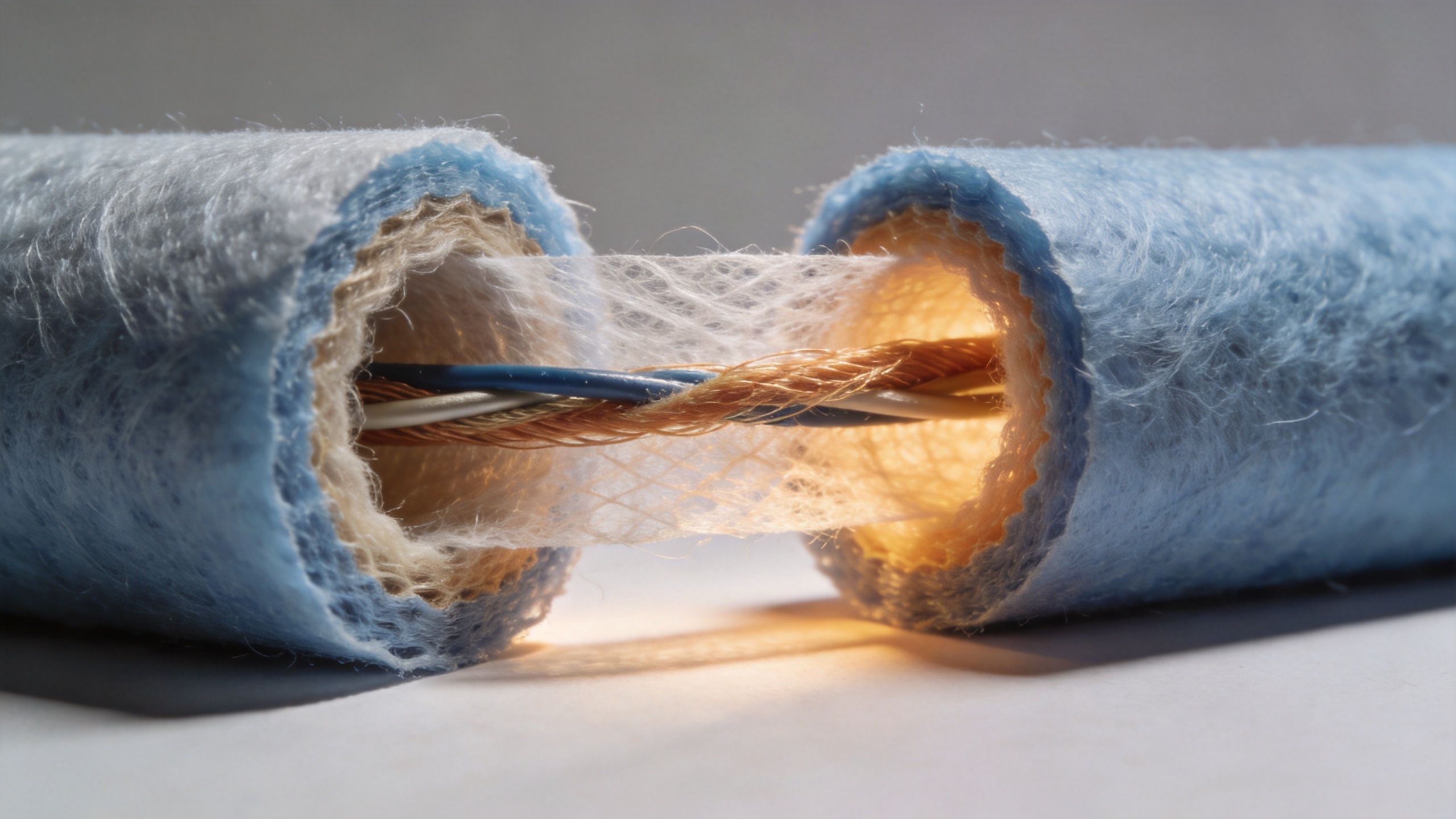
In many fiber webs, this material functions as a heat-activated binder. Heat softens or melts a lower-melting component at contact points, allowing it to join surrounding fibers; the remaining structure helps the web retain its shape after cooling. The phrase sounds simple, but the production decision is broader. A quoted melt range alone does not establish a suitable oven setting, line speed, or bond level. Those conditions need confirmation with the chosen fiber blend and end-use specification.
What Is Low Melt Fiber?
Low melt fiber generally refers to a fiber engineered to activate at a lower temperature than the structural fiber around it. A common approach is a bicomponent construction, often described as sheath/core. The sheath is formulated to soften or melt first, while the core retains a supporting role during bonding. This arrangement creates distributed bonding points in carded, air-laid, or other fiber webs.
This grade may also be called a binder fiber because it creates cohesion after thermal exposure. It is not interchangeable with every bonding grade. Polymer combination, cross-section, denier, cut length, crimp, finish, blend ratio, and thermal history can all affect performance during opening, carding, web formation, and bonding. The useful shift is to treat the intended fiber specification as the design input, rather than treating capacity or nominal melting behavior as the whole answer.
Properties That Matter in Thermal Bonding
Buyers commonly look at activation behavior, fiber dimensions, crimp, tensile contribution, blend compatibility, and the appearance of the bonded web. The binder component must be considered with the companion fibers: their heat tolerance, surface chemistry, fineness, and distribution affect the contact network available for bonding.
- Lower-temperature activation: The binder grade is selected so bonding can occur below the temperature that would heavily deform the main structural component. The applicable processing window remains a trial-and-validation question.
- Bond distribution: A well-dispersed binder component can form bonding points through the web. Poor dispersion may produce variable stiffness, weak zones, or uneven thickness.
- Web feel and recovery: The amount of low melt fiber and its bonding response can influence loft, resilience, stiffness, and surface character. These outcomes should be evaluated against the application rather than assumed.
- Process compatibility: Fiber opening, carding, air laying, heat treatment, and cooling should be reviewed together. A binder grade that behaves acceptably in one web process may need different settings in another.
At first this may look like a material-selection issue; more precisely, it is a material-and-process-boundary issue. A stated bond temperature does not by itself show whether air flow, dwell time, pressure, web mass, and cooling are aligned with the required product behavior.
Low Melt Fiber Production Process
Production begins with defining the target binder-fiber architecture and the performance boundary for the finished web. For a bicomponent grade, the selected polymers must be compatible with the intended spinning configuration and provide a meaningful difference in thermal response. Material preparation then focuses on consistent feed, drying where required, and control of contamination that could disturb spinning stability.
During melt spinning, polymer streams are metered and combined through an appropriate spinneret arrangement to form the planned fiber geometry. Quenching solidifies the emerging filaments, and subsequent drawing develops the required orientation and dimensions. For staple formats, crimping can add bulk and cohesion before cutting to the specified length. Heat-setting or relaxation conditions should be matched to the target low melt fiber behavior so that later activation remains consistent with the designed process route.
Quality review for this polyester bonding grade should not stop at denier and cut length. It can include visual uniformity, moisture control, crimp consistency, fineness distribution, thermal response, and trial-web behavior. If a new grade is being planned, pilot trials provide a more defensible basis for setting acceptance criteria than relying on a generic application claim.
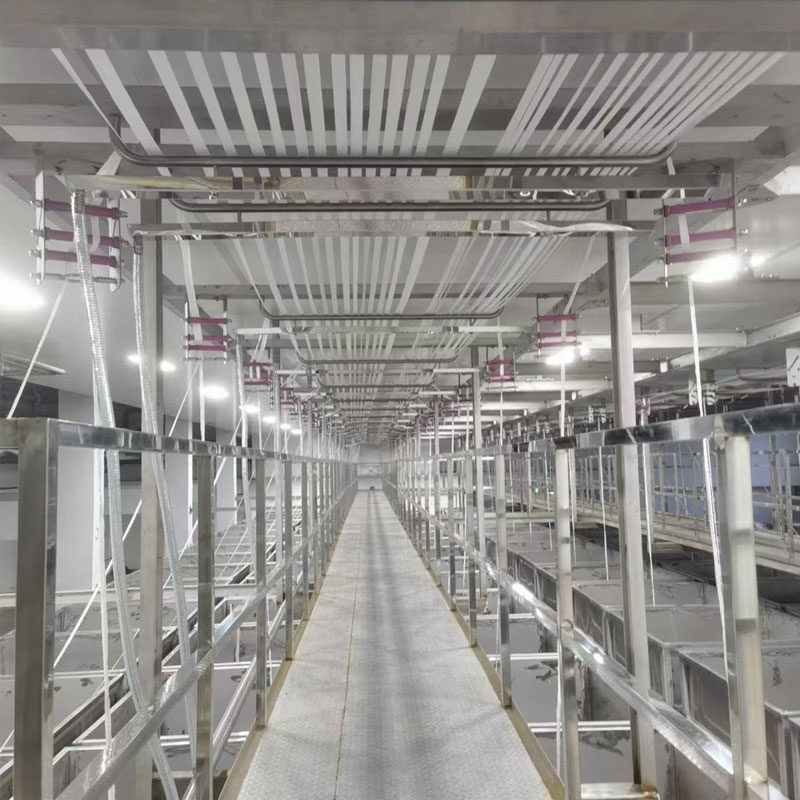 Illustrative stages in a fiber manufacturing process.
How Thermal Bonding Uses the Fiber
In a typical heat-bonding sequence, the binder component is blended with structural fibers, opened, distributed into a web, and exposed to controlled heat. As it activates, it creates connections where fibers contact. Cooling stabilizes those connections. The final result depends on the entire thermal profile, web density, blend formulation, and handling after the oven.
The next question is not which condition sounds more advanced, but which one supports the stated web-performance requirement. A cushioning layer may prioritize loft and recovery; an insulation layer may emphasize consistent basis weight; a molded component may focus on form stability. Each case should define test methods before a process setting is released.
Typical Uses of Polyester Bonding Fiber
This material is used in fiber webs where heat-assisted cohesion is useful. Typical categories include bedding and furniture padding, automotive interior layers, insulation structures, filtration support layers, packaging cushioning, and certain construction-related fiber assemblies. Its presence alone does not define suitability for any one category. Fiber blend, web construction, target thickness, emissions needs, and customer specifications must be reviewed for the intended use.
For manufacturers, a heat-activated polyester grade can simplify a bonding route by avoiding added liquid adhesive in some web designs. The practical evaluation should still ask how the material affects throughput, oven balance, dust generation, trim recovery, and final inspection. If feedstock condition varies, the evaluation should include input-quality questions before drawing process conclusions.
Specification Questions for a Bonding-Fiber Trial
A practical trial sheet keeps the material and process discussion specific. For low melt fiber, record the intended activation behavior, fineness, cut length, crimp, blend percentage, and storage condition. For low melt polyester fiber, also document the companion polymer and the proposed sheath/core or alternative construction. These details help a team compare like with like.
| Trial topic | Question to document | Why it matters |
|---|---|---|
| Low melt fiber blend | What proportion of low melt fiber is present in the web? | The blend changes the number of potential bond points and the final web character. |
| Low melt polyester fiber form | What denier, length, crimp, and polymer arrangement are specified? | These factors influence opening, distribution, and thermal response. |
| Thermal bonding fiber response | What heat profile and dwell time were used for the thermal bonding fiber trial? | Recorded conditions make results comparable across trials. |
| Nonwoven materials result | Which thickness, recovery, appearance, and strength checks apply to the nonwoven materials? | The target use determines which test results carry the most weight. |
| Fiber manufacturing process control | Which production records accompany the fiber manufacturing process? | Traceable inputs support later troubleshooting and grade review. |
During development, compare each low melt fiber sample against the same web recipe where possible. A change in low melt polyester fiber grade can interact with opening and distribution before the oven is reached. Likewise, a thermal bonding fiber result should be reviewed alongside web mass and cooling, not as an isolated number. For nonwoven materials, release criteria should reflect the finished application. The fiber manufacturing process record provides the context needed to investigate variation without over-interpreting one trial.
For purchasing and engineering teams, the request can be organized around five linked statements: the low melt fiber specification, the low melt polyester fiber construction, the thermal bonding fiber trial conditions, the target nonwoven materials performance, and the relevant fiber manufacturing process controls. This keeps a heat-bonding evaluation tied to evidence that can be checked with the actual line and product design.
A Practical Selection Checklist
- Define the end-use, target basis weight, thickness, feel, recovery, and any application-specific test requirements.
- Specify the binder-fiber architecture, fineness, cut length, crimp, and proposed blend ratio with the structural fiber.
- Review the production route and confirm that polymer, spinning, drawing, and finishing controls support the requested grade.
- Run a representative web trial and document heating profile, line speed, cooling, bond appearance, and measured results.
From Fiber Specification to a Validated Web
This type of fiber is most useful when specified as part of a complete bonding system. Start with the end-use requirement, map it to fiber architecture and web design, then validate the conditions that create the desired bond network. For teams developing a polyester bonding grade or expanding a heat-bonding program, this approach connects production decisions with repeatable evaluation of the finished web.
Soft Gem supports fiber-material plant planning, process-package discussion, equipment manufacturing, and lifecycle service conversations. Project-specific performance, line configuration, and acceptance requirements should be confirmed during engineering review and trial work.


 Hot News

