
 EN
4080 Low Melt Fiber Machine: Features and Industrial Applications
A 4080 low melt fiber machine is evaluated as part of a production system, not as an isolated purchase. For teams developing thermally bonded materials, the key question is whether the proposed process can consistently turn the chosen polymer and fiber design into a fiber that fits the intended downstream route. This article explains how to assess a 4080 low melt fiber machine through process logic, operating controls, and application requirements rather than through unsupported output claims.
What a 4080 Low Melt Fiber Machine Is Intended to Support
In practical terms, a 4080 low melt fiber machine supports the conversion of suitable polyester-based raw material into fiber for applications that use heat to create bonding. Low melt polyester fiber is often considered where a lower-melting component is expected to soften during a later thermal-bonding step while another portion of the fiber structure helps the web retain form. The exact polymer system, fiber geometry, and bonding window must be confirmed for each project.
That distinction matters. A 4080 low melt fiber machine is not defined only by the final fiber label. Its relevance depends on how material preparation, melt handling, spinning, quenching, drawing, crimping, cutting, and collection are coordinated. For a fiber manufacturing system, each stage influences the next, so an early mismatch in material behavior or control settings can surface later as uneven handling, variable web formation, or additional qualification work.
Core Production Stages to Review
When comparing a 4080 low melt fiber machine, buyers can ask the supplier to map the full 4080 fiber production route rather than focusing on one equipment section. A useful review normally starts with raw-material handling and drying, then follows the melt path, filtration, spinning position, cooling conditions, draw or orientation section, crimping and cutting stage, and finished-fiber collection. The available configuration should be matched to the actual polymer and product concept.
At the front end, moisture control and feed consistency deserve attention because polyester processing is sensitive to material condition. In the spinning area, the 4080 low melt fiber machine should be discussed in terms of stable melt delivery, controllable spinning conditions, and access for routine cleaning and inspection. These are engineering discussion points, not a claim that every configuration supplies the same controls.
Cooling and downstream handling also affect whether a low melt polyester fiber can be processed into a consistent staple form. Project teams should define the fiber fineness, cut length, crimp requirement, and packaging format they need, then ask how the proposed line verifies those characteristics. This keeps the machine conversation connected to a usable production specification.
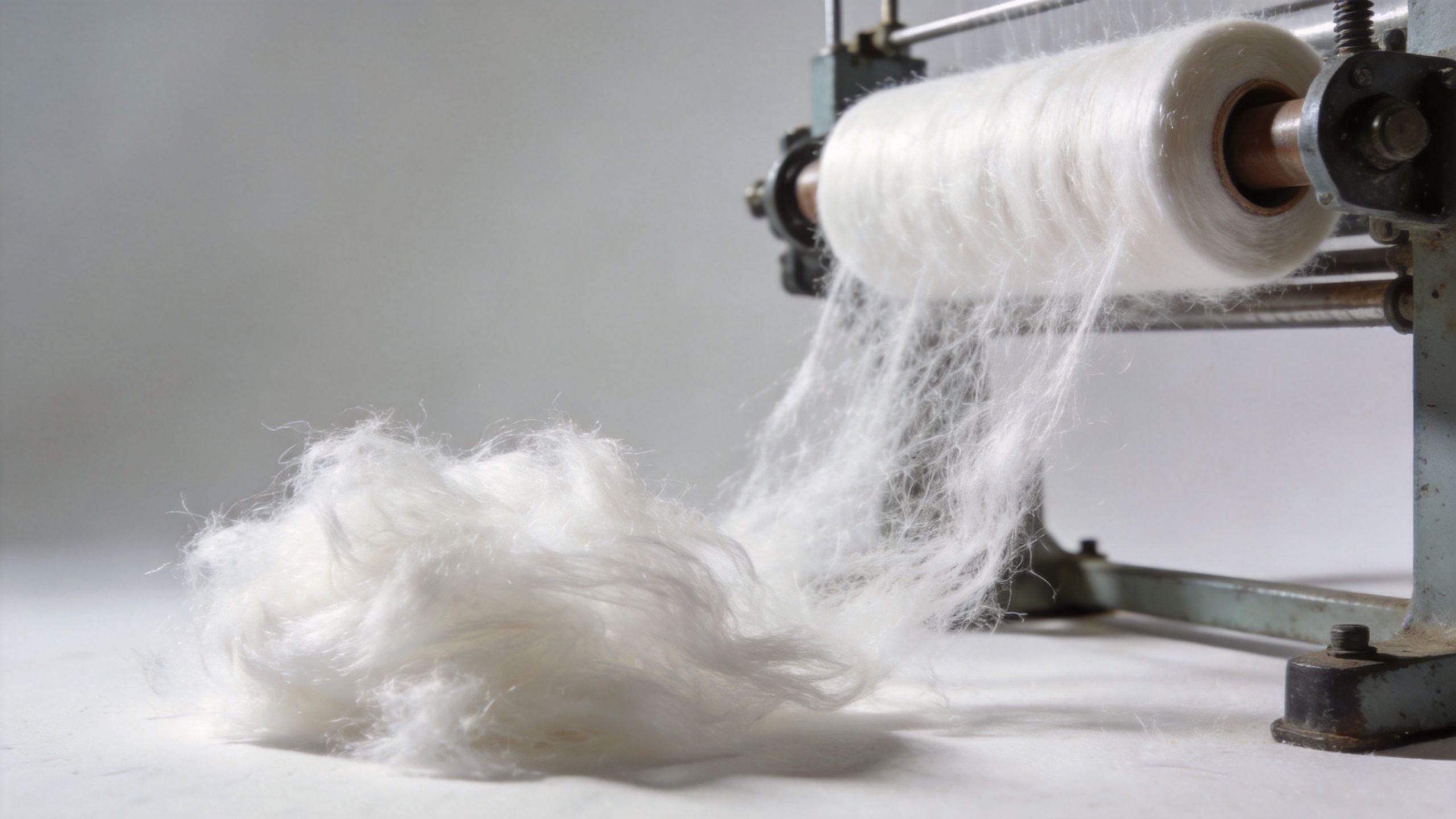
Why the Low-Melt Fiber Principle Matters in Nonwoven Equipment
The role of a 4080 low melt fiber machine becomes clearer when viewed alongside the downstream nonwoven process. Thermal bonding uses heat and pressure, or a through-air route, to soften thermoplastic material and form bonds within a fiber web. In a bicomponent concept, the lower-melting portion may be activated while a higher-melting portion helps maintain web integrity. The applicable bonding method and temperature range must be validated using the actual fiber and end product.
For nonwoven equipment planners, this means a 4080 low melt fiber machine should be assessed with the bonding route in mind. A fiber intended for through-air bonding may raise different questions from a fiber intended for calender bonding. Web weight, loft, softness, resilience, surface character, and later converting steps can all influence the specification discussion. It is more useful to define those needs first than to assume a generic low-melt grade will suit every line.
Industrial Applications That Shape the Specification
This type of production line may be relevant to manufacturers supplying thermally bonded nonwoven materials for bedding and furniture components, automotive interior layers, filtration-related structures, insulation layers, apparel interlinings, and other engineered textile products. These examples describe potential application categories, not a promise that one line configuration will produce every product category without trials and project-specific engineering.
For example, a cushioning or bedding program may prioritize loft retention and bonding uniformity. An automotive interior project may focus more on repeatable thickness, odor-management requirements, or downstream material validation. A filtration-related structure may require a different conversation about blend design and converting. The proposed line should therefore be reviewed against the measurable attributes that matter to the downstream customer.
Features Worth Turning Into Supplier Questions
Instead of treating feature lists as fixed facts, buyers can use an equipment evaluation checklist:
- Which raw-material grades and fiber constructions has the proposed process been designed to handle?
- Which operating data are monitored from material preparation through finished-fiber collection?
- How are settings documented when switching a low melt polyester fiber product specification?
- What inspection points are available for denier, cut length, crimp, moisture, appearance, and package condition?
- What maintenance access, spare-parts planning, and operator training are included in the project scope?
- How will the fiber manufacturing system handoff with upstream utilities and downstream nonwoven equipment?
These questions make the equipment comparison more practical. They also help procurement, process engineering, maintenance, and quality teams align before a project moves into detailed design.
Planning a More Reliable 4080 Fiber Production Project
A disciplined 4080 fiber production project begins with a written product brief. Record the intended polymer route, fiber construction, target staple characteristics, bonding method, end-use category, sampling plan, acceptance criteria, utilities, and expected production rhythm. Then use that brief to evaluate a proposed production-line configuration line by line.
During technical clarification, ask for the boundary between standard scope and options. Ask which process conditions require customer confirmation, which tests should be completed on sample material, and how commissioning data will be recorded. This approach is especially useful for this equipment category because low-melt behavior is meaningful only in relation to the selected raw material and downstream bonding process.
How Soft Gem Can Frame the Engineering Discussion
Suzhou Soft Gem Intelligent Equipment Co., Ltd. positions its work around fiber-material plant planning, process packages, equipment manufacturing, digital-information integration, terminal product performance assurance, and life-cycle service. For an equipment-planning inquiry, that positioning can support a structured discussion of project handoffs and evidence requests. The final technical scope, configuration, performance criteria, delivery terms, and validation plan should be confirmed in project documentation.
Conclusion
The right production-line decision starts with the end material and works backward through bonding method, fiber design, raw material, process controls, and validation. By defining the nonwoven application and asking for project-specific evidence, manufacturers can turn a broad equipment inquiry into a clearer engineering brief for low melt polyester fiber production.



 Hot News

