
 EN
PET Bottle Spinning Process for Recycled Polyester Fiber Manufacturing
In recycled polyester fiber manufacturing, bottle spinning is not a single machine operation. It is a controlled chain that starts with recovered PET bottles and ends with fibers evaluated against an intended use. From a recycling-process perspective, the useful question is not simply how fast a line can run. It is whether feedstock condition, melt preparation, spinning equipment, drawing, and finishing are reviewed as connected decisions.
That distinction matters because incoming PET can vary by source, color, moisture, contamination, and prior handling. The U.S. Environmental Protection Agency reported a 29.1% recycling rate for PET bottles and jars in the United States in 2018. This dated figure is context rather than a current global benchmark, but it illustrates why recovered-bottle supply deserves process attention. A bottle-to-fiber project should treat feedstock as a design input, not a background assumption.
What bottle spinning means in a bottle-to-fiber line
For recycled PET fiber, bottle spinning describes the conversion of prepared PET flakes or other suitable recycled PET feedstock into continuous filaments that can later be drawn, crimped, cut, or otherwise finished for the target fiber format. The term covers the melt-spinning portion of the process, but its outcome depends on upstream preparation and downstream handling.
At first, this can look like a spinning equipment selection issue. More precisely, it is a polyester fiber production and connection-planning issue. Material preparation affects melt behavior; melt condition affects extrusion and filament formation; and the spinning stage affects what must be controlled during drawing and fiber evaluation.
1. Prepare PET bottles before the melt stage
A practical bottle spinning workflow begins with a clear definition of acceptable input. Recovered bottles are commonly sorted and processed into flakes. The exact preparation route depends on the incoming stream and the intended fiber, but the planning questions are consistent:
- Which bottle materials, colors, labels, caps, and non-PET components may enter the line?
- How will sorting, size reduction, washing, separation, and drying be verified?
- What inspection or sampling point will show whether the prepared material matches the process assumptions?
One avoidable mistake is assuming all recycled PET feedstock behaves the same across incoming batches. PET recycling technology is useful only when its material checks are connected to the next process stage. If moisture, contamination, or material variation is left undefined, later adjustments at the extruder or spinneret may be asked to solve an upstream problem.
2. Convert prepared recycled PET into a stable melt
After preparation, the recycled PET fiber route typically moves through controlled feeding, melting, filtration, and melt transfer. The purpose is not to promise a uniform result from every recycled input. It is to create a process window that can be reviewed against the feedstock condition and the fiber specification.
In this part of polyester fiber production, teams commonly examine material flow, thermal history, filtration strategy, pressure behavior, and the connection between melt preparation and the spin pack. By process connection, we mean the points where material, thermal control, equipment settings, and operator responsibilities meet. A narrow question about bottle spinning becomes clearer after mapping both the feedstock preparation boundary and the downstream drawing boundary.
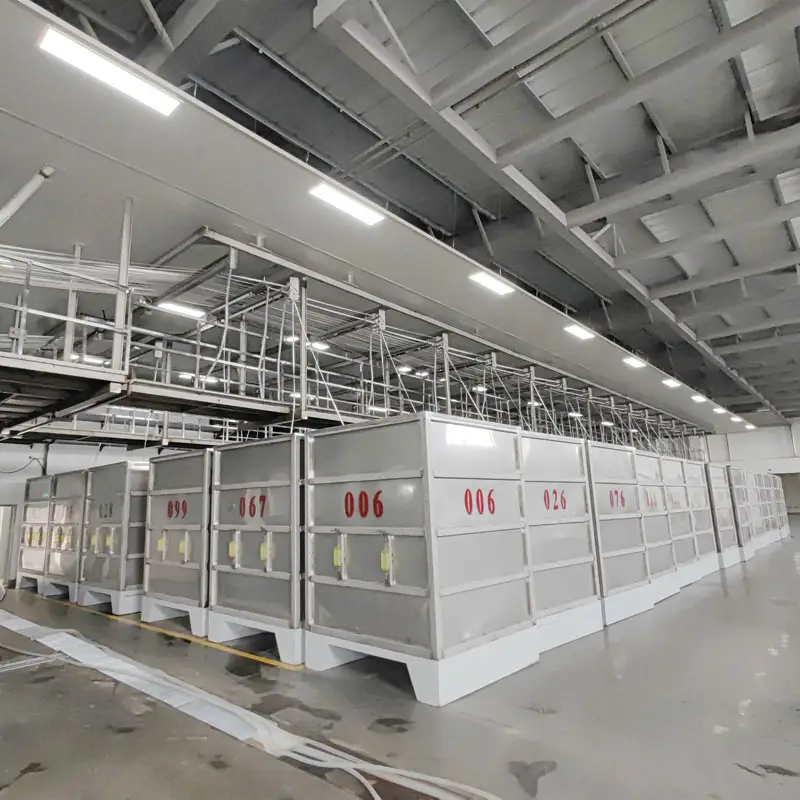 A conceptual view of the bottle-to-fiber process chain, from prepared PET to filament formation and finishing.
3. Form filaments at the spinning position
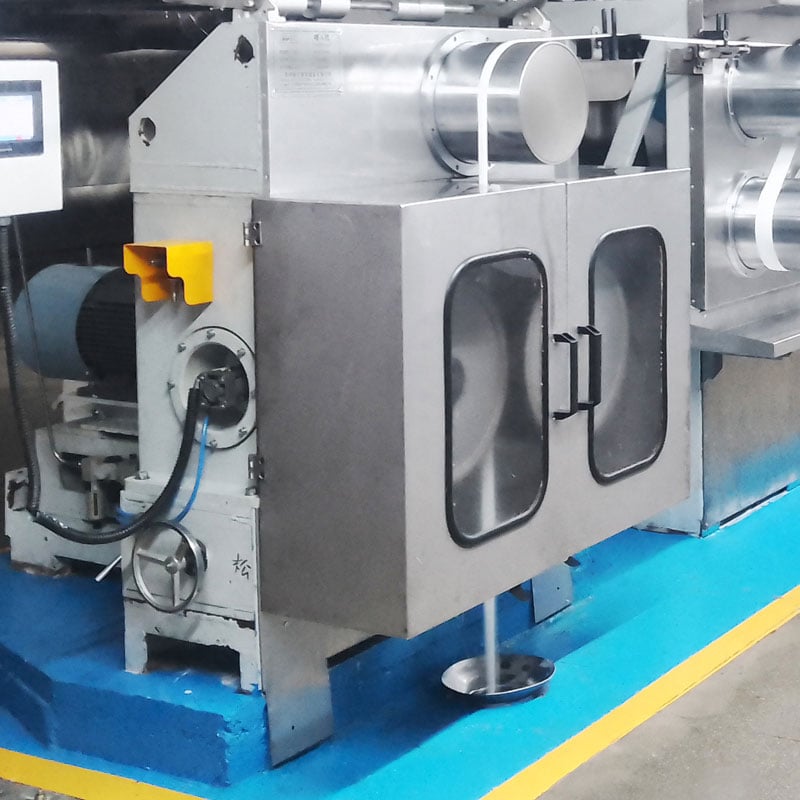
At the spinning position, filtered heated polymer is distributed through a spin pack and extruded through a spinneret to form filaments. Cooling and take-up then influence how those filaments move into the next section. This is the central bottle spinning step, yet it should not be treated in isolation.
Spinning equipment should be reviewed in relation to the intended product format, planned operating observations, maintenance access, and controlled-change needs. Instead of listing features, ask which process question each function is intended to support. For example, a filtration or distribution choice should be connected to the material condition it is expected to handle and the evidence used to assess it.
Useful operating descriptions also show what teams would observe: melt pressure trends, filament continuity, cooling conditions, take-up behavior, and visible process changes. These are review points, not universal limits. Their interpretation depends on the selected process route, target fiber, and site-specific engineering details.
4. Draw, consolidate, and finish the recycled PET fiber
Filaments leaving the spinneret are only part of the manufacturing route. Depending on the desired product, the next stages may include drawing, relaxation or heat treatment, crimping, cutting, baling, or other finishing operations. The details vary, but the decision logic remains the same: connect each stage to the intended fiber characteristic and to a suitable verification method.
This is where recycled PET fiber projects benefit from a specification-to-process map. Define the fiber application first, then identify the properties and evaluations that matter for that application. A process overview becomes more practical when it connects each stage to how output is evaluated rather than turning an intended property into a blanket claim.
Where process variation should be investigated
A useful risk map separates four sources of variation instead of assigning every issue to the spinning machine:
- Material: feedstock composition, cleanliness, moisture, and lot-to-lot differences.
- Process: preparation sequence, melt handling, filtration, cooling, and drawing conditions.
- Equipment: handoffs among feeding, melting, spinning, take-up, and fiber finishing sections.
- Operations: monitoring routines, sampling, maintenance access, change records, and handover responsibilities.
For recycled PET fiber, sustainability language should stay tied to the material and verification questions that remain. Recycled content, traceability, and end-use suitability may require project-specific documentation or testing. It is easy to describe an outcome too early; first identify what evidence would be needed to substantiate it.
A planning checklist for bottle spinning projects
Before comparing a proposed line scope, align the technical team, production team, and procurement team around a short checklist:
- State the available PET bottle feedstock and the inspection information that accompanies it.
- Define the target recycled PET fiber format, application, and evaluation method.
- Map each material and utility handoff from bottle preparation through fiber finishing.
- Identify which spinning equipment functions support monitoring, adjustment, and maintenance.
- Clarify what is included in the process package, controls scope, commissioning support, and documentation.
- List the trials, samples, or engineering reviews needed before treating a design assumption as confirmed.
For a fiber-line discussion, this kind of checklist helps turn a broad request for bottle spinning equipment into a more workable set of engineering questions. A process package and line scope can then be evaluated against stated feedstock, output, utilities, and handover needs rather than against an isolated equipment list.
Conclusion: treat bottle spinning as a connected process
The bottle spinning process is strongest when bottle preparation, melt stability, filament formation, drawing, and fiber evaluation are considered as one chain. For recycled PET fiber manufacturing, the next productive step is to document the feedstock condition, target fiber requirements, site connection points, and evidence needed for technical confirmation. That approach leaves room for proper trials and engineering review while keeping the recycled PET fiber discussion grounded in the stated production objective.


 Hot News

