
 EN
Bicomponent Fiber: Manufacturing Process and Market Applications
A bicomponent fiber is not simply a blend of two polymers. It is a single filament or staple fiber in which two polymer streams are arranged in a deliberate cross-sectional geometry during spinning. That distinction matters: the geometry, polymer pair, cooling profile, draw conditions, and finishing sequence together determine what the finished fiber can contribute to a web, yarn, or molded textile structure.
For process teams, the useful question is rarely “Which bicomponent fiber configuration is suitable?” It is “Which fiber architecture supports the intended bonding, bulk, stretch, fluid management, hand feel, or processing window?” This article maps composite fiber technology from the manufacturing line to practical market applications, with particular attention to nonwoven materials.
What makes a bicomponent fiber different?
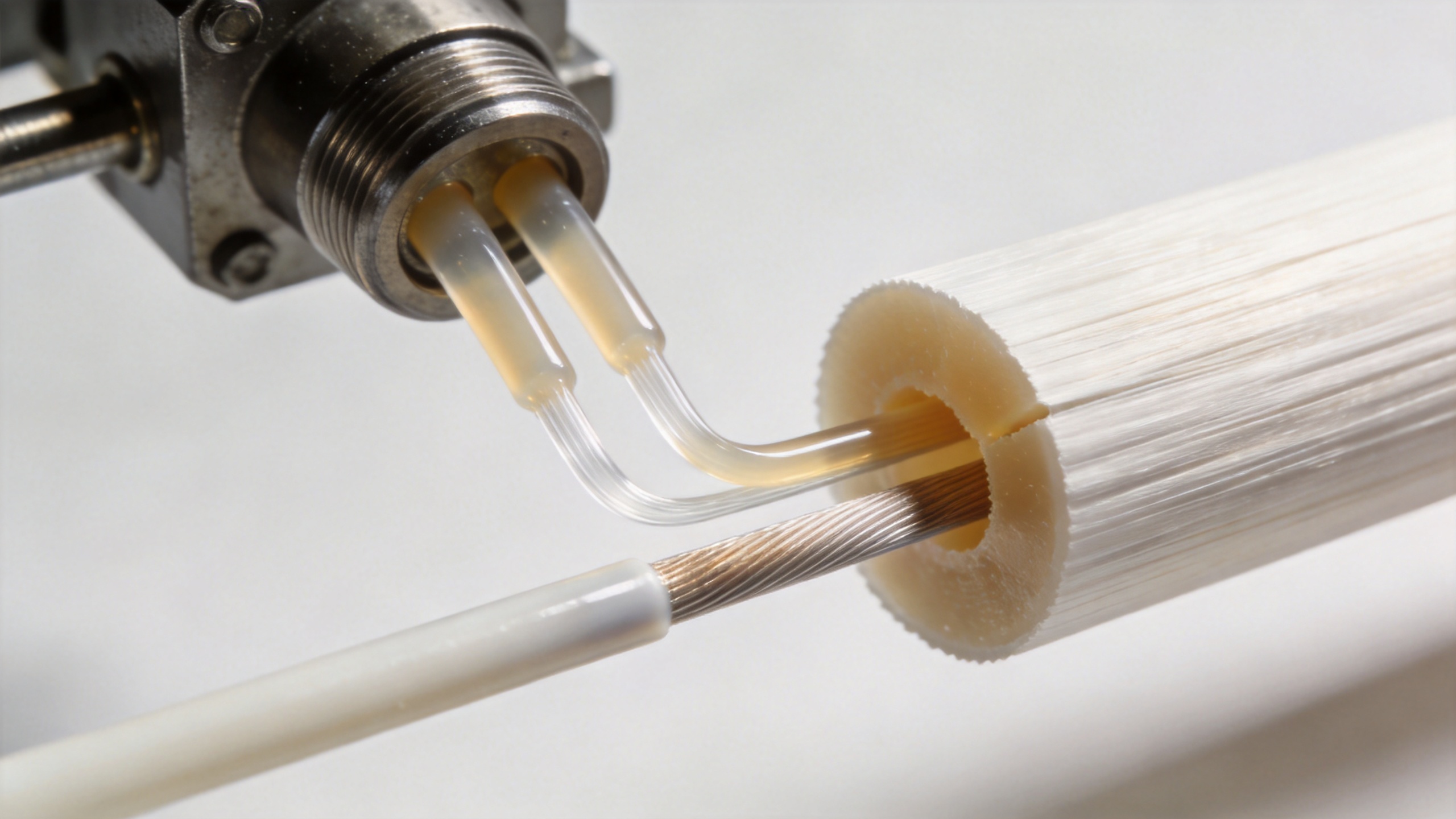
A bicomponent fiber contains two polymers that remain distinguishable within one continuous fiber. In a conventional polymer blend, materials may be mixed before extrusion; in a bicomponent fiber, the melt streams are separately prepared and brought together in a spinneret designed to preserve a selected arrangement. Common arrangements include sheath-core, side-by-side, segmented-pie, and islands-in-the-sea configurations.
Each arrangement creates a different decision path. A sheath-core construction can place a lower-softening polymer around a load-bearing core for thermal bonding. A side-by-side construction can develop differential shrinkage or crimp when the two components respond differently to heat. Segmented structures can be selected where later splitting or a high-surface-area effect is relevant. The fiber geometry therefore needs to be considered before line equipment is scoped.
Bicomponent fiber production: a process map
Bicomponent fiber production begins with a specification, not a machine list. The team should define the target polymer family, end-use temperature exposure, desired bonding mechanism, denier range, crimp or bulk requirement, and downstream forming method. These requirements inform the connection between material handling, extrusion, spin-pack design, quenching, drawing, relaxation, and cutting or winding.
1. Prepare and meter two polymer streams
Each polymer is dried, conveyed, melted, filtered, and metered under conditions appropriate to its own thermal behavior. Moisture sensitivity, melt viscosity, residence time, and contamination control can affect the stability of a bicomponent fiber. Separate metering is important because the component ratio is part of the fiber design; it should not drift simply because two materials are being processed on the same line.
2. Form the intended cross section in the spinneret
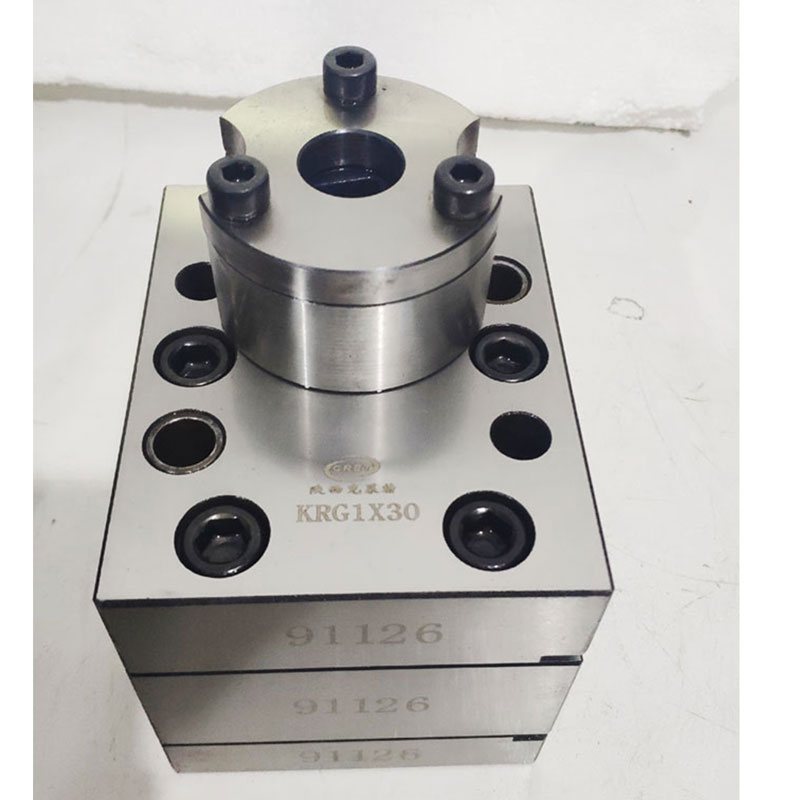
The spin pack guides the two melts into a common capillary while maintaining the intended material boundary. For sheath-core fiber, the surrounding polymer and central polymer must remain positioned as designed. For side-by-side fiber, boundary placement influences later curvature and crimp potential. A practical engineering review should examine polymer compatibility, viscosity balance, distribution uniformity, and cleaning access rather than treating the spinneret as an isolated component.
3. Quench, draw, and stabilize the filament
After extrusion, controlled air cooling solidifies the emerging bicomponent fiber. The filament then moves through drawing and, depending on the product, crimping, relaxation, cutting, or winding. These stages align molecular structure and establish dimensions, but their settings cannot be copied blindly between polymer pairs. A difference in cooling or shrinkage behavior that is useful for one advanced fiber design may create unevenness in another. Pilot trials should record polymer grade, component ratio, spinneret geometry, quench conditions, draw ratio, and post-treatment conditions together.
4. Verify the result against the intended application
Process output should be checked with application-relevant tests rather than a generic pass/fail statement. Depending on the target, this may include fineness distribution, tensile behavior, crimp development, thermal bonding response, web uniformity, surface feel, or fluid-transfer behavior. The point is to connect a measured fiber property to an agreed end-use requirement. That link makes composite fiber technology easier for engineering, quality, and procurement teams to evaluate together.
Why polymer pairing and geometry must be selected together
A common design approach pairs polymers with different melting or softening behavior. In a sheath-core bicomponent fiber, a lower-melting sheath may be activated during a later heat-bonding step while the core helps retain structure. This is one reason bicomponent fiber is widely discussed for through-air-bonded webs. The specific temperature window and resulting performance, however, depend on the polymers, component ratio, dwell time, air flow, web basis weight, and line settings; they should be confirmed through trials.
Side-by-side architectures take a different route. When the components have distinct shrinkage behavior, thermal treatment can create a curled or crimped profile. That bulk can be useful where loft, resilience, or texture is needed. Neither architecture is universally preferable. The selected geometry should follow the desired material behavior and the downstream conversion route.
Market applications for bicomponent fiber
The market value of a bicomponent fiber comes from controlled functionality, not from the label alone. The following applications illustrate how process choices relate to product needs.
- Thermal-bonded nonwoven materials: sheath-core fibers can support web bonding when the outer component is selected to activate under controlled heat. Typical development questions include bond strength, softness, thickness retention, and the acceptable thermal window.
- Hygiene and personal-care webs: developers may assess fiber bonding, loft, fluid movement, and surface comfort as a system. Material suitability must be verified against the applicable product specification and regulatory requirements.
- Filtration and fluid-management structures: segmented or specially shaped fiber designs may be evaluated where surface area, pore structure, or capillary behavior is relevant. Fiber architecture is only one variable; web formation and finishing are equally important.
- Apparel, bedding, and insulation fills: side-by-side or crimp-oriented bicomponent fiber can be considered when bulk and recovery are design priorities. The finished product also depends on blend composition, fill construction, and care conditions.
- Automotive and industrial textiles: nonwovens and molded fiber structures can use bicomponent fiber where controlled bonding or dimensional stability is required. Validation should reflect the actual temperature, load, odor, durability, and processing conditions of the program.
A selection checklist for project teams
Before requesting a line proposal or developing a new grade, organize the discussion around these questions:
- What end-use function must the bicomponent fiber enable: bonding, crimp, loft, softness, splitting, fluid control, or another property?
- Which polymer pair is compatible with that function and with the available forming and bonding process?
- Which geometry—sheath-core, side-by-side, segmented, or islands-in-the-sea—creates the relevant mechanism?
- What variables must be controlled across polymer preparation, metering, spinning, quenching, drawing, and finishing?
- Which test method will connect fiber output to the actual application requirement?
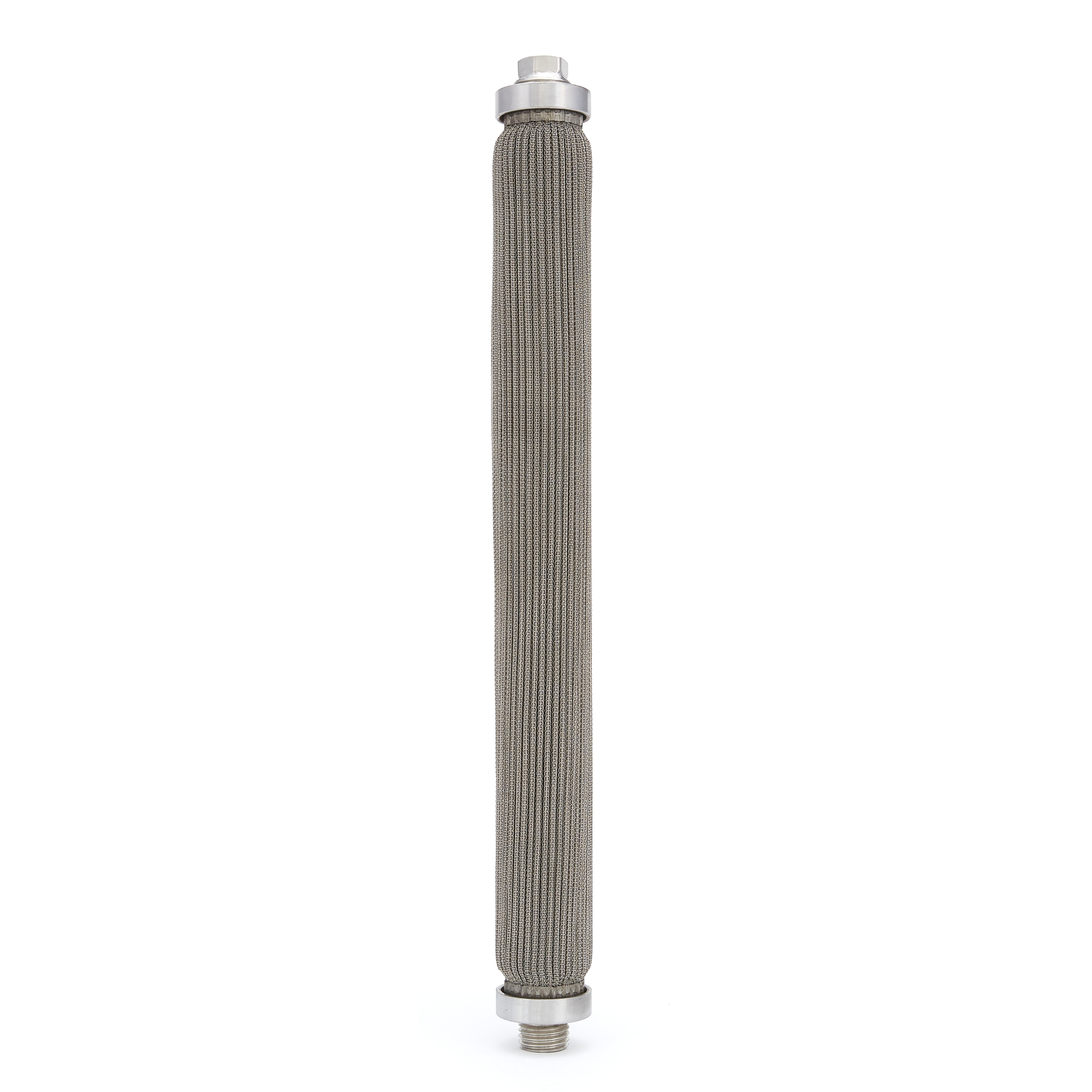
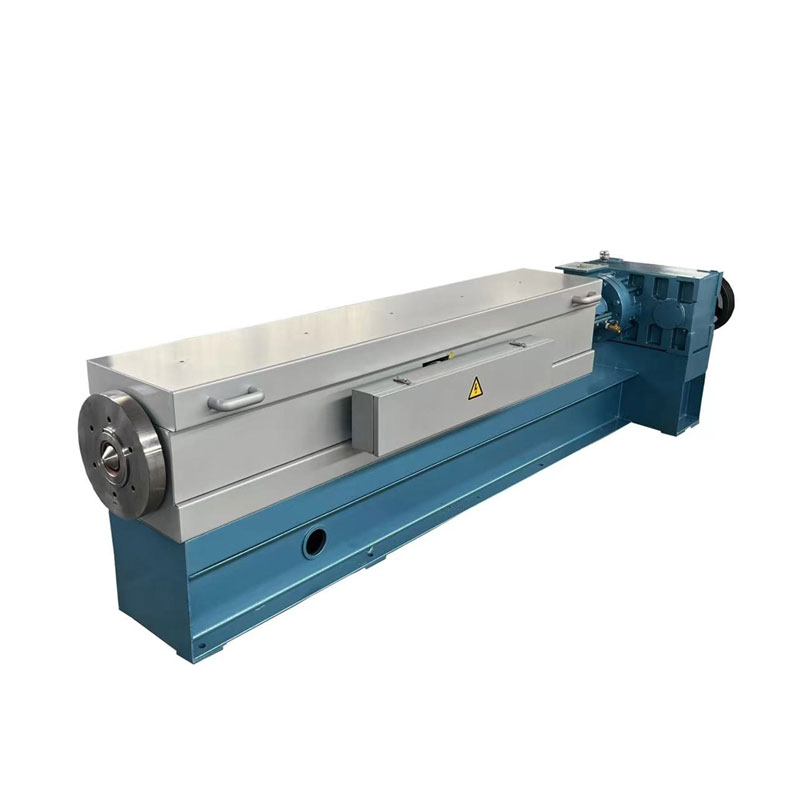
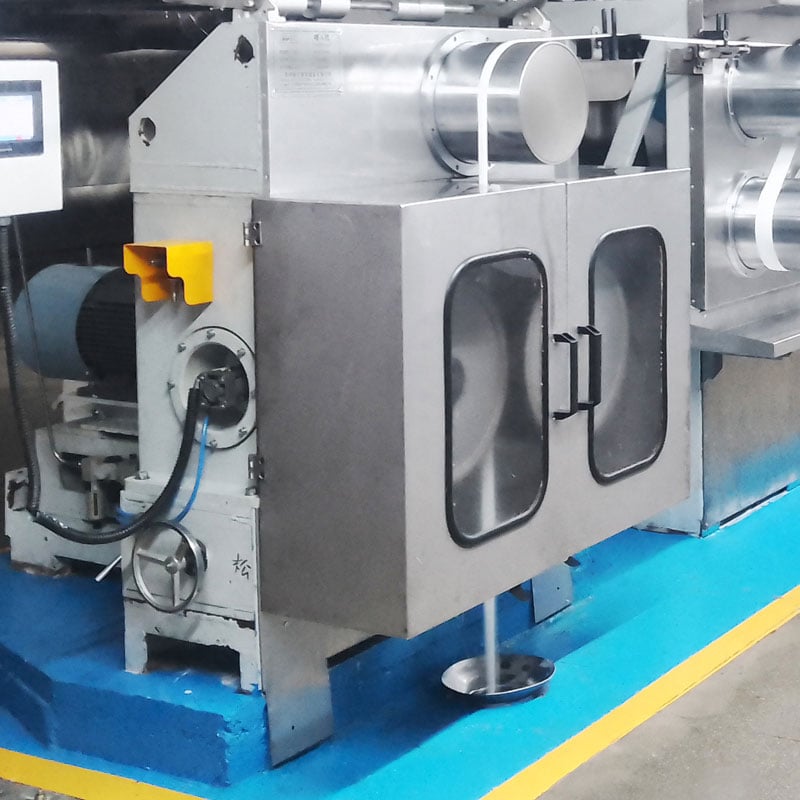
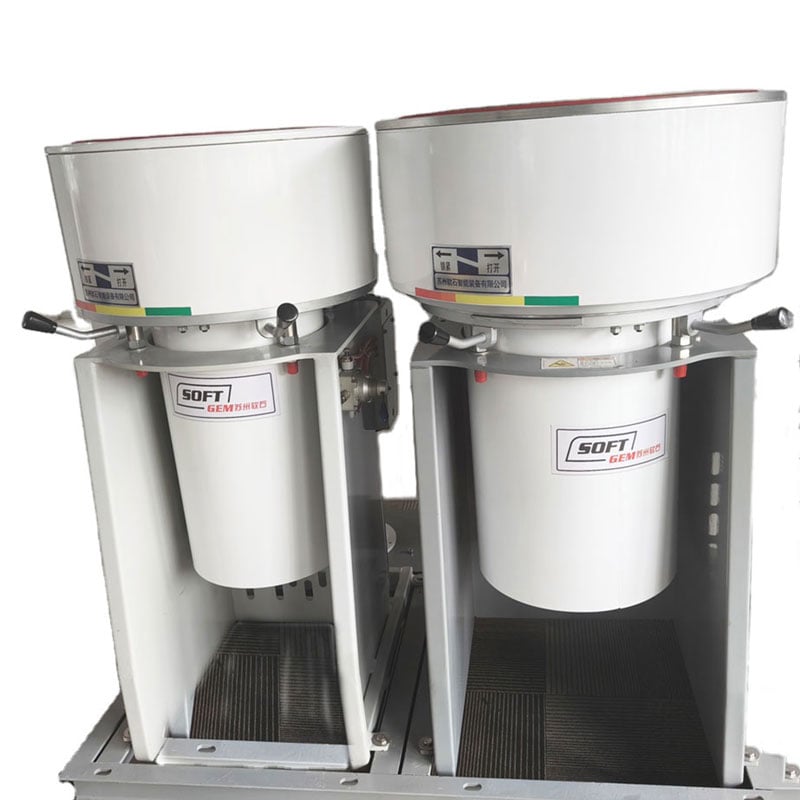
For capital planning, it is useful to review the full system boundary: feedstock preparation, extrusion, spin packs, quench zone, drawing path, thermal treatment, handling, controls, utilities, and laboratory validation. Suzhou Soft Gem’s stated scope includes process-package and engineering-design discussions for fiber-material production projects; the applicable equipment boundary and technical result should be confirmed for the specific project.
From fiber concept to a workable production plan
A bicomponent fiber program moves more reliably when its specification is translated into process questions early. Start with the required end-use behavior, choose a polymer-pair and geometry that can plausibly create it, identify the line connections that control that behavior, and plan trials that produce useful records. This approach gives teams a clearer basis for assessing bicomponent fiber production options, selecting nonwoven materials processes, and developing an advanced fiber that fits the application rather than a generic product claim.
Frequently asked questions
What is the most common bicomponent fiber construction?
Sheath-core is a widely used construction because it can combine an outer component selected for bonding or surface behavior with a core selected for structural contribution. The right configuration still depends on the target application.
Can bicomponent fiber be used in nonwovens?
Yes. Bicomponent fiber is commonly considered for nonwoven materials, particularly where thermal bonding, bulk, or controlled fiber behavior is useful. Web formation and bonding conditions need project-specific validation.

 Hot News

