EN
PET Fiber Production Line: Complete Factory Setup Guide
A pet fiber machine is not a stand-alone purchasing decision when the goal is a reliable factory. It is one part of a connected manufacturing system that begins with feedstock and ends with packed fiber. Before comparing a pet fiber machine configuration, define the product target, the incoming-material condition, the site handoffs, and the evidence each supplier should provide.
From a plant-engineering planning perspective, the useful question is not simply “which machine?” It is whether material flow, utilities, controls, fiber handling, and commissioning responsibilities fit together. That shift makes a PET production plant discussion more practical and helps teams avoid treating layout or operating readiness as afterthoughts.
Start with the output and feedstock boundary
Set the output brief before selecting a pet fiber machine. Record the intended fiber application, expected product mix, acceptable variation, packaging method, and any downstream processing handoff. These items do not establish assured performance; they establish the questions a supplier should answer with process information and test evidence.
Feedstock deserves the same attention. A recycled-input project should state whether the line receives bottles, flakes, or another prepared material; who owns sorting and contamination control; and what inspection records are available. The useful shift is to treat feedstock as a design input, not a background assumption. A PET production plant that accepts variable material may need different preparation, storage, and monitoring arrangements than one supplied with a controlled feedstock stream.
For quality planning, ask how the proposed process will be evaluated against the customer’s applicable specifications and methods. As one example, the Association of Plastic Recyclers’ guidance for recycled PET references ASTM D3418-15 for transition temperatures and enthalpies of fusion. This is not a claim that a particular line meets a standard; it is a prompt to align the test plan, sample conditions, and acceptance records with the project’s actual requirements.
Map the PET fiber machine as a connected process
A factory-scale pet fiber machine should be reviewed as a sequence of handoffs rather than a list of isolated equipment names. The exact equipment scope depends on the process package, but the planning map usually needs answers across the following areas:
- Material preparation: receiving, storage, dosing, and the handoff into thermal processing.
- Thermal and melt route: operating boundaries, thermal utilities, venting, and any filtration or quality-control handoff defined for the project.
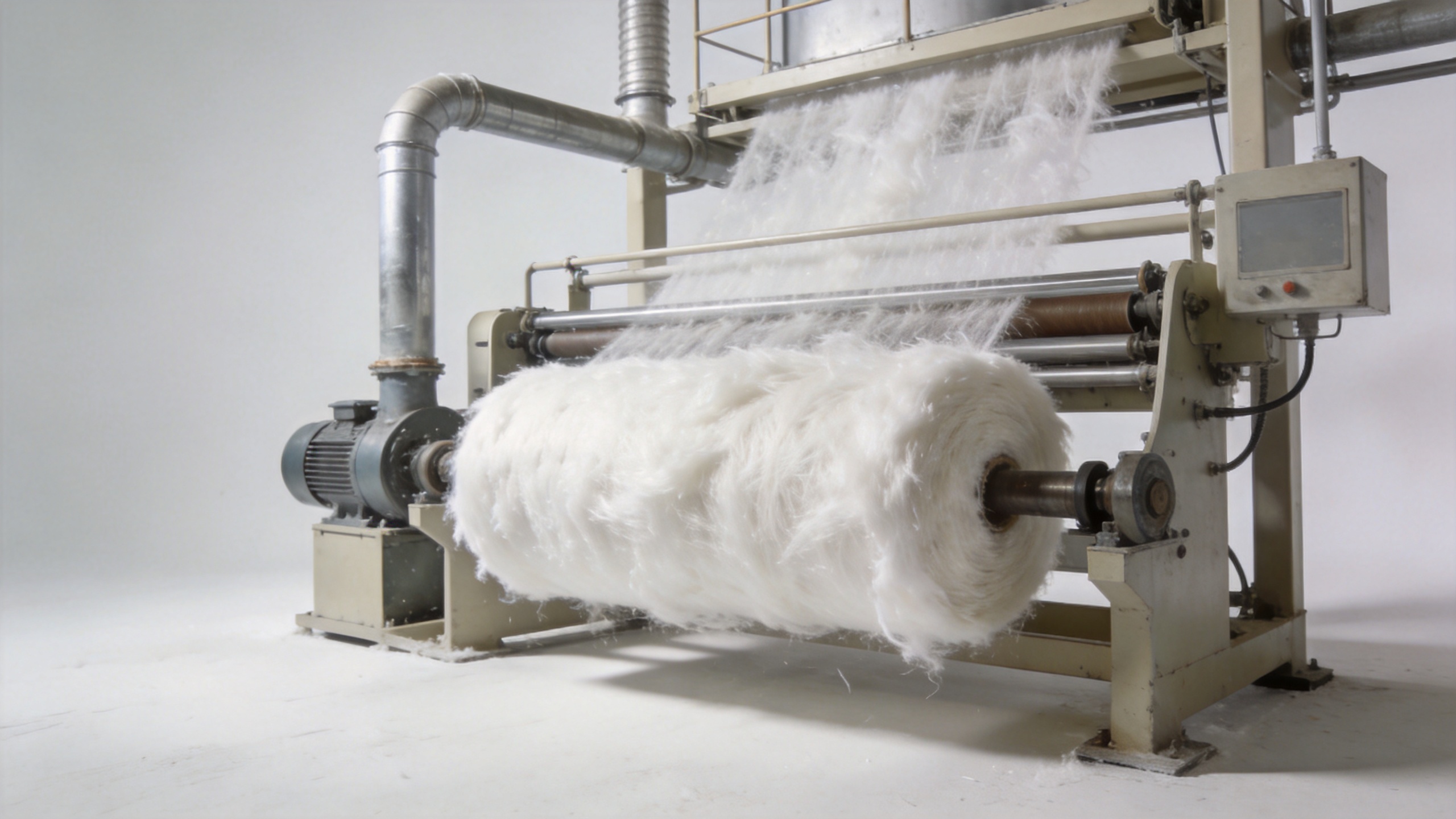
- Fiber formation and handling: the relationship among forming, drawing or other downstream treatment, collection, and package or bale handling.
- Utilities and controls: electrical supply, water or other utilities, compressed air where specified, instrumentation, alarms, and control-room responsibilities.
- Plant logistics: access for maintenance, safe movement of materials, waste handling, and the physical route to finished-goods storage.
This map exposes a common factory design issue: insufficient visibility into process handoffs. A quote for production equipment may describe the core process while leaving a buyer to confirm foundations, utility connections, piping limits, installation boundaries, and data handoffs. Put every handoff in a responsibility matrix before a purchase order is released.
Design the factory around flow, access, and verification
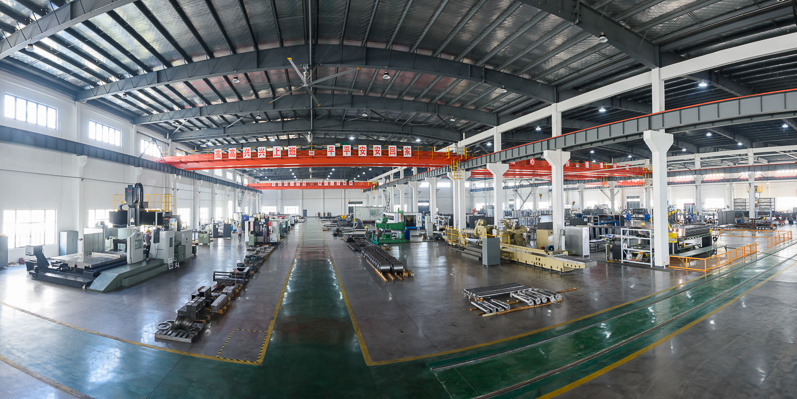
Fiber factory design is more than fitting a pet fiber machine into available floor space. Build a preliminary layout around the direction of material movement: receiving, preparation, process line, collection, packing, and dispatch. Then review where operators will inspect conditions, where maintenance teams will work, and where samples will be taken. Useful process descriptions show how teams would observe operating conditions rather than only naming components.
Ask the project team to review the layout with utilities and controls shown, even if some details remain provisional. The next question is not which option sounds more advanced, but which option fits the stated production objective and the available site infrastructure. This is especially important where flexibility adds operational complexity. A broader product mix can change cleaning plans, recipe management, material segregation, or changeover coordination; those implications should be discussed openly rather than ignored.
Specify controls, data, and commissioning early
The controls scope for a pet fiber machine should describe more than a screen or a panel. Clarify who defines operating recipes, alarm priorities, historian or reporting needs, remote-support boundaries if any, user roles, and the handover documents required for operations. Request an I/O, utilities, and connection review that identifies items to be confirmed at the site.
Commissioning also depends on readiness beyond the core line. Confirm the status of installation, utility availability, material readiness, staff training, safety procedures, sample handling, and acceptance-test responsibilities. It is easy to describe an intended fiber outcome too early; first identify what documentation, measurements, and trial records would be needed to substantiate it. That evidence-first approach produces a more useful manufacturing system handover.
Build an RFQ package suppliers can answer
A focused RFQ improves comparison across pet fiber machine proposals. Include the output brief, feedstock description, required scope boundaries, site layout constraints, utilities available, automation expectations, documentation needs, installation assumptions, and the proposed commissioning sequence. Request clear exclusions as well as included production equipment.
For a PET production plant, ask suppliers to identify: the process flow they are quoting; conditions they expect from incoming material; utility consumption data or calculation methods for the stated configuration; civil and installation inputs; handoffs supplied by the buyer; recommended spare-parts and maintenance documentation; and the evidence proposed for acceptance testing. Keep the focus on the line-planning question rather than assuming a full plant conclusion from a generic quotation.
A practical next step
Suzhou Soft Gem Intelligent Equipment Co.,Ltd. describes its scope as overall fiber-material plant solutions that can include project planning, process packages, engineering design, equipment manufacturing, digital integration, product-performance assurance, and lifecycle services. For a pet fiber machine inquiry, use that scope as a reason to request a project-specific connection review—not as a substitute for confirmed specifications.
When the factory brief, feedstock pathway, site handoffs, and verification plan are visible together, a pet fiber machine becomes easier to evaluate in context. That is the foundation for a fiber factory design that procurement, engineering, operations, and quality teams can all review with the same evidence set.


 Hot News