
 EN
How to Select a Fibre Making Machine Supplier
Choosing a fibre making machine supplier is not simply a quotation exercise. A suitable partner has to understand the boundary between a single machine and a coordinated production line, then explain the connections that affect installation, commissioning, and routine operation. For a buyer planning polyester staple fibre, recycled-material processing, or another fibre project, the early questions should concern feedstock, target fibre specification, output objective, utilities, controls, and the team that will operate the line.
A plant-engineering review is useful because a fibre making machine is part of a system. Material flow, thermal duties, electrical loads, process controls, sampling, and maintenance access all influence the practical scope. Reviewing these system connections as supplier-evaluation items makes it easier to compare proposals on a like-for-like basis.
1. Define what the fibre making machine scope includes
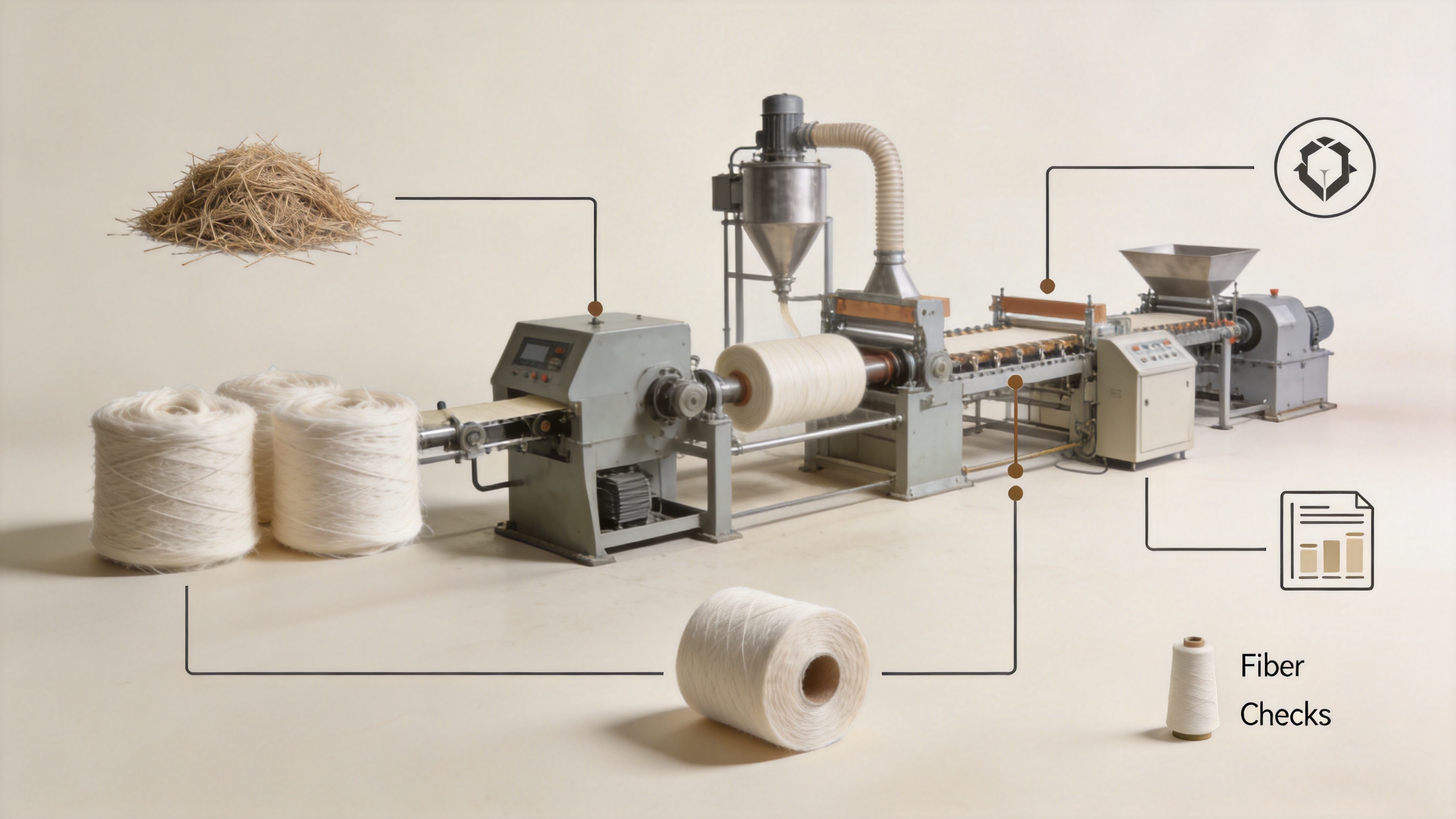
Before contacting any fiber machinery supplier, write a one-page process brief. State the input material, whether the project is for virgin or recycled feedstock, the intended product form, the proposed capacity range, and the output properties that must be evaluated. Also state whether the request covers a full production line, a process section, or a standalone machine. Search results often group opening, carding, and polyester-line equipment under similar terms; that makes scope definition especially important.
Ask each candidate to mark the battery limits for the fibre making machine proposal. Who is responsible for equipment within the line, utility connection points, control-system interfaces, commissioning support, and operating documentation? A quotation can be technically comparable only after those boundaries are visible.
2. Examine process fit before comparing price
A fibre making machine should be assessed against the material and finished-fibre objective, not against a headline capacity alone. Request a process-flow explanation that connects feedstock handling, primary processing, forming or treatment stages, downstream handling, and quality checks. The explanation should identify assumptions that need site confirmation rather than presenting an intended outcome as a fixed result.
During a factory evaluation, ask how the supplier would document the operating window, key setpoints, alarms, and sampling points. The useful question is not whether a supplier can describe a fibre making machine; it is whether the proposed process can be observed, adjusted, and maintained by the future operating team. A quality loop should connect each relevant stage to how output is inspected or sampled.
3. Assess the equipment manufacturer as an engineering partner
An equipment manufacturer may provide fabrication, process-package input, integration support, or a combination of these roles. Ask which elements are designed, built, sourced, assembled, programmed, and supported by the supplier. This helps a buyer understand accountability when a fibre making machine interacts with utilities, automation, auxiliary equipment, or civil works.
For a supplier comparison, request evidence that can be reviewed rather than broad promotional claims. Useful evidence includes a process list, interface list, layout inputs, component documentation, proposed control philosophy, spare-parts approach, commissioning plan, and training outline. Quality-management guidance commonly identifies technical qualifications, quality consistency, delivery reliability, and responsiveness as relevant supplier-evaluation criteria. Use those themes to make an evidence matrix for each fibre making machine candidate.
4. Plan a factory evaluation around evidence
A site visit or remote factory evaluation should follow the decision record, not replace it. Review the production environment, assembly practices, document control, inspection records, and how open actions are tracked. Where possible, ask the supplier to walk through the route from an approved design to a tested fibre making machine.
Factory acceptance planning is another practical checkpoint. A documented FAT can define the agreed configuration, test procedure, performance criteria, evidence to capture, deviations, and shipment-release conditions. It does not remove the need for site commissioning, but it gives the buyer and fiber machinery supplier a common way to record what is being checked before dispatch. Ask for a draft FAT plan early enough to resolve unclear criteria before fabrication is complete.
5. Compare the production line interfaces
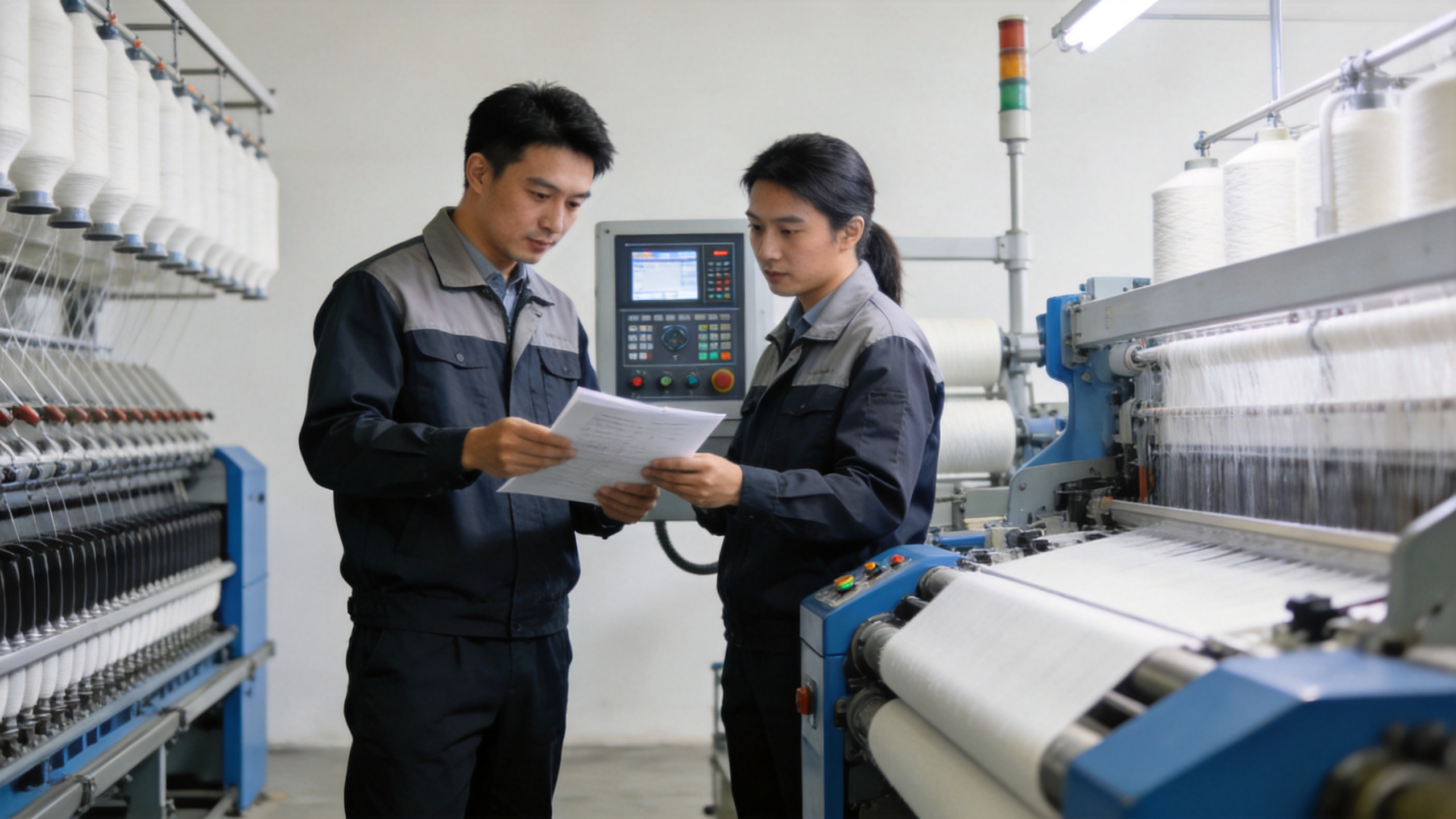
For a complete production line, the core equipment is only one part of the decision. Ask candidates to identify the utilities needed at each boundary, including electrical supply, water or thermal services where applicable, ventilation, compressed air, drainage, and control-network connections. The fibre making machine supplier should distinguish confirmed requirements from items that depend on the site layout or final process package.
Then compare control and handover responsibilities. Who owns start-up sequencing? Who provides interlock logic? What data or alarms are available to operators? How are manuals, drawings, training, and maintenance recommendations delivered? A supplier that can discuss these interfaces with appropriate conditions may be easier to evaluate than one that offers a broad capacity statement without a documented scope.
6. Use a weighted supplier scorecard
Turn the evaluation into a scorecard before final negotiation. Give each fibre making machine supplier the same questions and ask for supporting documents. Weight process fit and scope clarity more heavily than presentation quality. A practical scorecard can include:
- Alignment of the proposed fibre making machine with feedstock, fibre target, and stated capacity range.
- Completeness of the production line boundary and utility-connection list.
- Depth of factory evaluation evidence, documentation, and FAT preparation.
- Clarity about the equipment manufacturer responsibilities, sourced components, and service handover.
- Commissioning, training, maintenance-access, and spare-parts planning.
- Commercial terms, schedule assumptions, change-control method, and communication process.
Score comments matter as much as numbers. They show why one fibre making machine proposal has a clearer operating and acceptance path than another, and they create a record for internal technical, procurement, and management reviews.
7. Final questions before selection
Before appointing a supplier, hold a cross-functional review of the preferred fibre making machine proposal. Confirm open technical assumptions, utility responsibilities, acceptance criteria, site-readiness tasks, delivery milestones, and escalation contacts. A pilot or trial can be valuable when it makes important variables visible, but it should be used as structured learning rather than automatic proof of a final scale-up outcome.
The right fibre making machine supplier is therefore the one whose documented scope, process logic, manufacturing evidence, and commissioning approach match your defined project conditions. When a buyer asks evidence-led questions and compares the same interfaces across candidates, supplier selection becomes a disciplined engineering decision rather than a comparison of equipment descriptions alone.



 Hot News

