EN
How Fiber Making Machines Improve Textile Production Efficiency
In textile manufacturing, efficiency is not just a nameplate capacity question. A fiber making machine affects how material moves, how operators see variation, and how reliably downstream steps receive usable fiber. At first this looks like a machine-selection issue; more precisely, it is a process-and-connection selection issue. A productive line connects preparation, melting or feeding, fiber formation, drawing, collection, controls, and routine maintenance as one operating system.
For production teams, the useful question is not whether a fiber making machine has more features. It is whether those features support a stated fiber specification, a stable operating routine, and an achievable response when conditions change. This systems view is especially useful where textile manufacturing involves several stakeholders: operations, quality, engineering, maintenance, and procurement may each see a different source of lost time.
Efficiency Begins With the Whole Production Path
A fiber making machine belongs to a linked production path rather than an isolated station. In synthetic polymer fiber processing, material is prepared and brought to a controlled state before it is formed through a spinneret; subsequent cooling, drawing, winding or collection stages influence what the next stage can handle. The practical implication is straightforward: faster core equipment will not by itself improve fiber production efficiency when feeding, utilities, material handling, or downstream collection fall behind.
That is why a line review should trace interfaces in both directions. Upstream questions include material consistency, feeding accuracy, moisture management where relevant, and the time needed to prepare a new batch. Downstream questions include how fiber is transferred, inspected, packaged, or passed to later processing. A fiber making machine should be assessed against these interfaces before a production target is treated as a firm outcome.
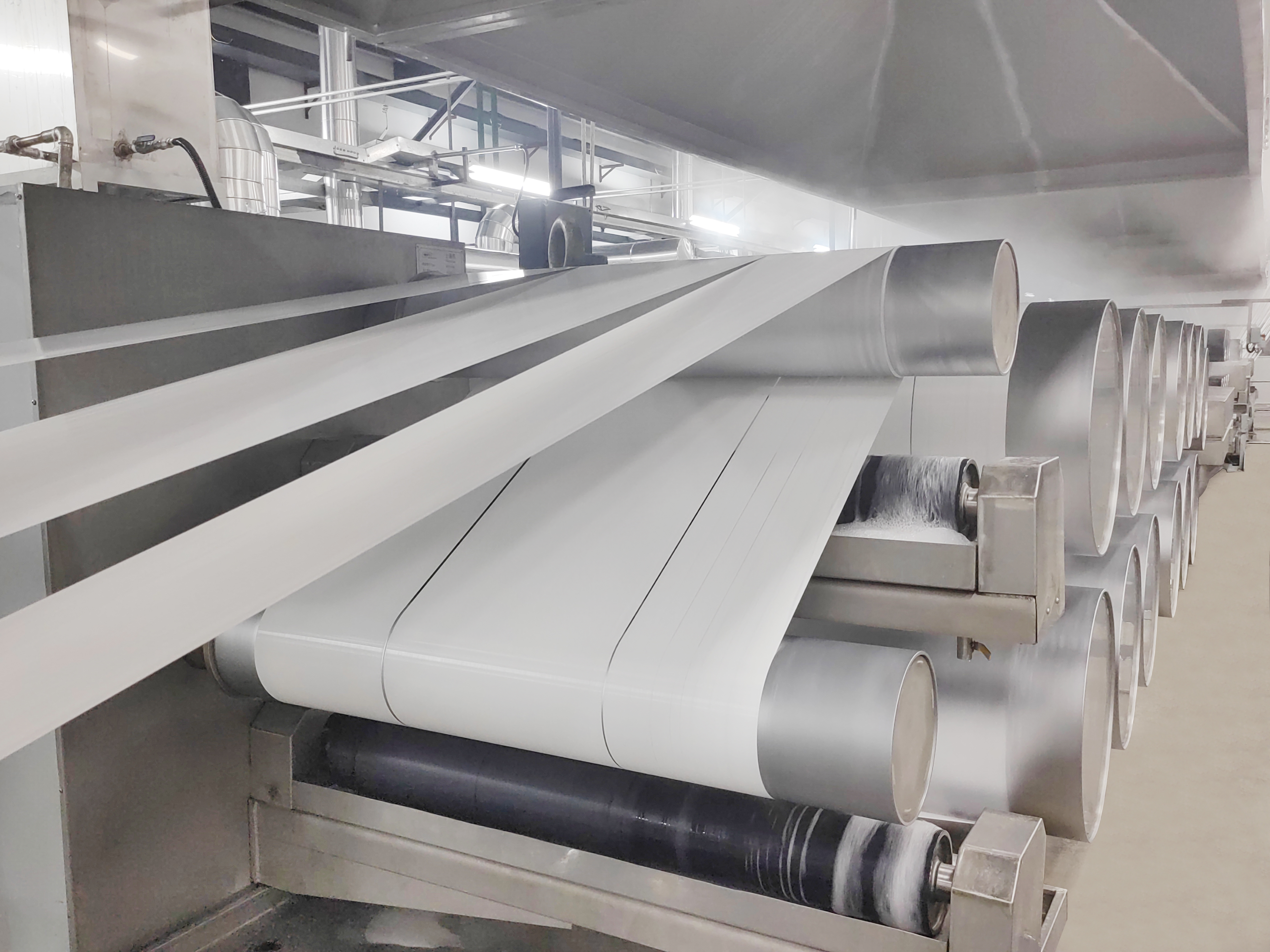 Fiber production efficiency depends on how connected process stages are coordinated.
Where a Fiber Making Machine Can Reduce Avoidable Losses
Well-matched equipment can support efficiency in several ways. The value lies in reducing avoidable variation and delays rather than making a universal claim about output.
- More consistent material flow: A fiber making machine with appropriately coordinated feeding and process controls can make it easier to observe deviations before they affect a larger volume of production.
- Clearer operating windows: When settings, alarms, and operating data are organized for the production team, troubleshooting can become more structured instead of relying only on memory or shift handover notes.
- Fewer disconnected adjustments: Linked controls help teams understand whether a change in one area is likely to affect another, such as the relationship between thermal conditions, draw behavior, and collection stability.
- Better maintenance planning: Accessible inspection points and clear condition signals can help maintenance teams plan work around production needs rather than reacting only after a disruption.
These benefits depend on process design and local operating discipline. In other words, a fiber making machine is usually a system question: equipment, automation technology, material behavior, and finished-fiber evaluation need to be reviewed together.
Automation Technology Improves Visibility, Not Just Speed
Automation technology is often discussed as if it simply replaces manual tasks. In fiber production, its more durable role is to make process conditions visible, repeatable, and easier to compare across shifts. Coordinated controls can connect equipment such as feed sections, spinning components, drawing equipment, take-up devices, and handling systems. With that visibility, operators can judge whether a local adjustment is appropriate or whether the deviation calls for a broader review.
A fiber making machine with useful automation should therefore be evaluated by the questions it helps answer: Which condition changed? Where did it begin? What related setting should be checked? What evidence should be recorded before changing the process again? This approach supports fiber production efficiency because it shortens the path from observation to a controlled response. It does not remove the need for trained people, validated settings, or site-specific engineering decisions.
Measure Fiber Production Efficiency Beyond Throughput
A stated hourly rate is useful, but it is not enough to describe fiber production efficiency. Production managers can build a more complete picture by reviewing several connected measures around the fiber making machine:
- Stable running time: How much scheduled time is spent in controlled production rather than in adjustment, cleaning, waiting, or recovery?
- Changeover readiness: What preparation, cleaning, parameter confirmation, and material checks are needed before a different target is run?
- Quality response: How quickly can the team identify and contain a process change before it creates more material requiring review?
- Material accountability: Can operators connect material batches, operating conditions, and inspection observations in a usable record?
- Maintenance accessibility: Can routine checks be completed safely and consistently without creating unnecessary production delays?
These measures help separate capacity from readiness. A capacity target alone does not show whether utilities, controls, people, material flow, and downstream handling are ready to support it. For textile manufacturing, this distinction can help avoid a line decision from being based on a single attractive figure.
Configuration Choices That Deserve Early Review
Before selecting or upgrading a fiber making machine, define the intended fiber range and the production objective. This avoids treating every automation feature as equally valuable. For example, a project focused on repeatable standard output may prioritize stable process control and maintenance access, while a project that expects product changes may place more weight on recipe management, cleaning boundaries, and setup verification.
It is also useful to map the full system boundary early. A narrower equipment question often becomes clearer after upstream material preparation and downstream fiber handling are included in the discussion. Suzhou Soft Gem Intelligent Equipment Co.,Ltd. states that it supports overall fiber-material plant solutions, including project planning, process-package discussion, engineering design, equipment manufacturing, digital integration, product-performance assurance, and lifecycle services. For a specific project, the relevant scope, connections, and evidence should be confirmed rather than assumed.
A Practical Review Checklist for Textile Manufacturing Teams
Use the following questions to turn a fiber making machine discussion into an engineering review:
- What fiber specification and application should the line support?
- Which material conditions must be controlled before production begins?
- Which process variables require operator visibility and recorded history?
- How will automation technology support alarms, recipes, handovers, and diagnosis?
- What interfaces with utilities, handling, inspection, and packaging need confirmation?
- What acceptance criteria will be used to evaluate fiber production efficiency after commissioning?
No single configuration suits every plant. These questions create a practical basis for comparing scopes, identifying constraints, and defining what requires validation during engineering and start-up.
Turn Equipment Discussions Into Operating Improvements
The strongest efficiency gains are often found where a fiber making machine, its controls, and its surrounding workflow are reviewed together. Start from the production objective, identify the process connections that influence it, and agree on the observations that will demonstrate stable operation. This gives teams a clearer route to improve textile manufacturing without turning an equipment decision into an unsupported performance claim.
If your team is planning a new line or reviewing an upgrade, prepare a brief that covers the target fiber, material conditions, production constraints, automation expectations, utilities, handling, and verification criteria. That information helps turn a fiber making machine inquiry into a focused discussion about process fit and long-term operating control.



 Hot News