EN
Polyester Fiber Manufacturing Technology Trends in 2026
In 2026, making polyester fiber is less about adding isolated equipment features and more about making the production system easier to observe, adjust, and verify. For teams planning a new line or reviewing an existing one, the useful starting point is still the target fiber specification: end use, denier range, finish, crimp, consistency expectations, and the evidence needed to evaluate output. From there, process design, material handling, controls, and quality checks can be discussed as connected decisions.
From a plant engineering perspective, the technology conversation should follow material flow and operating interfaces before it follows a feature list. This matters because a trend that looks attractive in one section of a line may create new requirements for utilities, data handling, operator routines, or commissioning elsewhere. In 2026, the practical focus is: better visibility around melt processing and spinning, more deliberate use of data, and tighter attention to recycled-feedstock verification.
1. Process visibility is becoming a core part of making polyester fiber
Polyester production continues to rely on familiar stages: polymer preparation, melt handling, extrusion through spinnerets, cooling, drawing, crimping or finishing where applicable, and final quality evaluation. What is changing is the expectation that the operating condition of those stages can be seen and interpreted quickly enough to support a decision. In making polyester fiber, a temperature reading or pressure trend is most useful when it is connected to an operating question: what changed, where in the process did it begin, and which product-quality check should be reviewed next?
That approach supports smart manufacturing without treating digital tools as a guarantee. A control system, historian, or alert logic can make a deviation more visible; it does not by itself establish the cause or prove that a fiber property will meet a requirement. Teams benefit when they define which variables deserve monitoring, who reviews exceptions, and how an observation reaches the quality loop. In other words, useful automation should improve operating visibility and handovers, not merely create more screens.
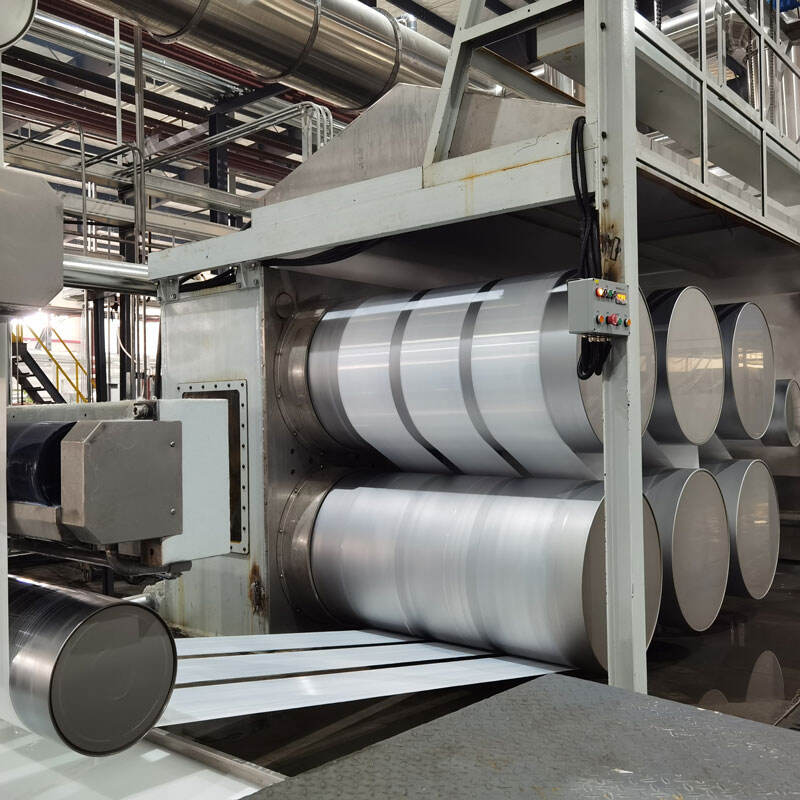 Process visibility connects operating observations with quality evaluation.
2. Data integration shifts from collection to usable context
Many discussions of textile innovation now include sensors, analytics, connected controls, and production records. The more consequential change is not that data exists, but that records can be organized around process interfaces. For example, an investigation into a downstream variation may require teams to compare material condition, melt behavior, spinning conditions, drawing settings, and inspection observations without assuming that any single unit is responsible.
For making polyester fiber, this suggests a modest implementation sequence. First, define the decisions that need better evidence. Next, decide what operating and quality information is required for those decisions. Then confirm data ownership, naming, access, retention, and review routines. That sequence keeps a digital project tied to production work. It also gives engineering, operations, and procurement teams a shared way to assess scope before they compare solutions.
3. Recycled inputs make verification discipline more important
Recycled PET remains an important part of polyester industry trends, but it should be discussed with clear boundaries. Feedstock source, contamination risk, moisture condition, sorting history, and traceability records can change the questions that engineers need to ask upstream of fiber formation. The technology trend is not simply “use recycled material”; it is to make incoming-material condition and supporting records visible enough for a responsible process review.
That is especially relevant when making polyester fiber for defined applications. A plant may need a practical method to separate observations about incoming material from conclusions about line capability. Process trials and laboratory evaluation can inform a hypothesis, while project-specific validation remains necessary before performance language is used. This keeps sustainability communication tied to available evidence instead of turning a market direction into an unqualified claim.
4. Flexible lines need clearer operating boundaries
The demand for flexibility is another recurring theme in future fiber technology. Manufacturers may want to accommodate changing fiber specifications, product development work, or different input conditions. Yet flexibility has a trade-off: more configurable settings can require more disciplined recipes, training, maintenance access, and validation planning. A wider operating window is only helpful when the team can define and control it.
When reviewing a flexible concept for making polyester fiber, ask which product changes are genuinely in scope, which parameters must be documented, and which transitions need additional trials. That question is more useful than treating a long option list as proof of adaptability. It also exposes coordination needs between upstream preparation, spinning, drawing, finishing, packaging, and quality release.
5. Quality evaluation is moving closer to process decisions
Another practical direction in textile innovation is to shorten the distance between process observations and output evaluation. The goal is not necessarily to replace laboratory checks. Instead, it is to make sampling plans, inspection results, and deviation reviews easier to connect to the process conditions that preceded them. For making polyester fiber, that connection can help a team decide whether a condition merits adjustment, further observation, maintenance review, or a defined trial.
Useful quality integration starts with shared definitions. Engineering and operations should agree on what a production record means, while quality personnel should be able to identify which process context is relevant to an evaluation. This creates a stronger basis for smart manufacturing than a generic promise of optimization, because the system is designed around a real decision path.
A 2026 planning checklist for fiber manufacturers
- Start with the fiber objective: document the intended use, specification boundaries, and acceptance evidence before selecting a technology package.
- Map interfaces: review material flow, utilities, controls, safety, operator access, and quality handoffs around the core process.
- Define the data question: identify which decisions need faster or clearer evidence before choosing dashboards, sensors, or analytics.
- Make recycled-input assumptions explicit: set out incoming-material checks, traceability expectations, and trial limits rather than assuming uniform feedstock.
- Plan validation: distinguish an observed pilot or production condition from a confirmed, repeatable result.
Turning trends into an engineering discussion
No single machine feature defines the 2026 trend. It is a more connected way of making polyester fiber: linking specification, material condition, process settings, operational visibility, and output evaluation. Digital integration, traceability, and flexible configuration can all be relevant, but their value depends on the production objective and the evidence a team needs before commitment.
For projects that are still being scoped, a productive next step is to assemble the target fiber requirements, feedstock assumptions, site interfaces, quality criteria, and data questions into one review. That creates a clearer brief for process-package, engineering-design, and equipment discussions. It also keeps future fiber technology grounded in the conditions that determine whether it is useful in a particular plant.

 Hot News