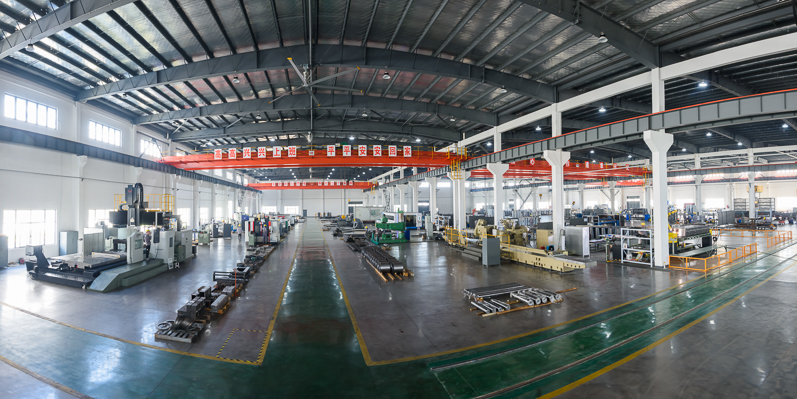
Modern PET fiber machines now employ friction-based agglomeration tech that cuts down on thermal energy needs. Instead of relying on outside heat sources, these systems use mechanical force to compact PET flakes together. The process generates its own heat through controlled collisions between polymer particles, so there's no need for separate heating components during the compaction phase. These machines come equipped with variable speed drives that tweak the mechanical input according to what they detect in the material feed. This helps avoid wasting energy when switching between different batches of material. Overall, this method saves around 30 to 35 percent on electricity bills compared to older heating techniques. For a mid-sized operation, that translates roughly to about seven hundred forty thousand dollars saved each year in energy costs according to Ponemon's research from 2023.
Modular PET recycling systems let manufacturers set up just the right size for what they need right now, then expand when business grows. Companies save money too since these modular setups typically cut initial costs by around 40 to 60 percent compared to buying one big system all at once. The standardized parts for mechanics, controls, and extrusion mean older equipment can work with newer stuff, which saves businesses about 70% on integration costs when it's time to upgrade technology. Best part? When it comes time to improve operations, there's no need to replace entire lines. Manufacturers simply add specific components where needed. This means plants stay running normally most of the time, with improvements happening during regular maintenance periods instead of causing expensive shutdowns.
Today's PET fiber machines come equipped with PLC systems that keep track of things like temperature, how runny the material is, and the pressure when pushing it through. These smart controllers can tweak settings in fractions of a second so everything stays just right for processing. No need for workers to constantly check and adjust things manually anymore, even when the raw materials aren't exactly consistent from batch to batch. Production speeds have gone up somewhere between 18 and 23 percent overall, and we're seeing around half as many quality issues as before when using older machines. What really matters though is that these closed loop systems stop batches from going bad altogether and cut down on wasted material whenever switching between different product grades happens.
Today's PET fiber machines can bring scrap rates down to under 2.1%, which is actually about a third lower than what most plants typically see at around 6.8%. Take a medium sized facility handling roughly 10 tons of PET each day, cutting those numbers by almost 5% means saving hundreds of tons of resin every year. We're talking something like $200,000 saved on materials plus all the money not spent dealing with waste management headaches. What makes this possible? Well, these systems monitor viscosity as they go along and automatically adjust the extrusion settings. This keeps the crystallization process just right, so there are fewer flaws in the final product that would otherwise end up as scrap material.
Smart PET fiber machines come equipped with robots to handle materials and have self-adjusting extrusion systems, which means fewer people are needed to run them. Most production lines these days need only 1 or 2 workers per shift compared to the old days when 4 to 5 were standard. That cuts down on labor by about 60 to 70 percent. The time saved adds up to around 320 hours each week that can be put toward better things such as keeping equipment maintained properly and checking product quality. When machines take over those tricky temperature and pressure adjustments that used to rely on human judgment, everything becomes much more consistent. Plus, there's less need for extra hours worked late at night or on weekends, something that really helps cut costs during those long stretches when the factory runs nonstop day after day.
IoT sensors built right into machinery keep track of how motors vibrate, monitor temperature changes across surfaces, and check for deviations in extrusion dimensions to spot signs of wear before it becomes a problem. With this kind of foresight, machines last much longer between breakdowns. What used to fail every 400 hours now runs smoothly for about 1,680 hours instead. That's roughly four times better than before. When maintenance is needed, downtime shrinks by at least three quarters, saving companies around eight thousand dollars each hour they avoid lost production. Smart algorithms actually schedule when parts need replacing so technicians can do the work during regular maintenance windows rather than scrambling for fixes when something breaks down unexpectedly. This approach cuts emergency repair bills by almost two thirds and generally makes equipment last longer overall.
 Hot News
2024-07-25
2024-07-25
2024-07-25

Soft Gem We are committed to the integration and innovation of the overall solution for the fiber material production plant, including the whole project planning, process package and engineering design, complete equipment manufacturing, digital information integration, terminal product performance assurance, and full life cycle services. We have an experienced technical research and development team with expertise
No. 19, Jiulong Road, southeast development zone, Changshu, Suzhou
Copyright © 2024 Suzhou Soft Gem Intelligent Equipment Co., Ltd. Privacy Policy
 EN
EN