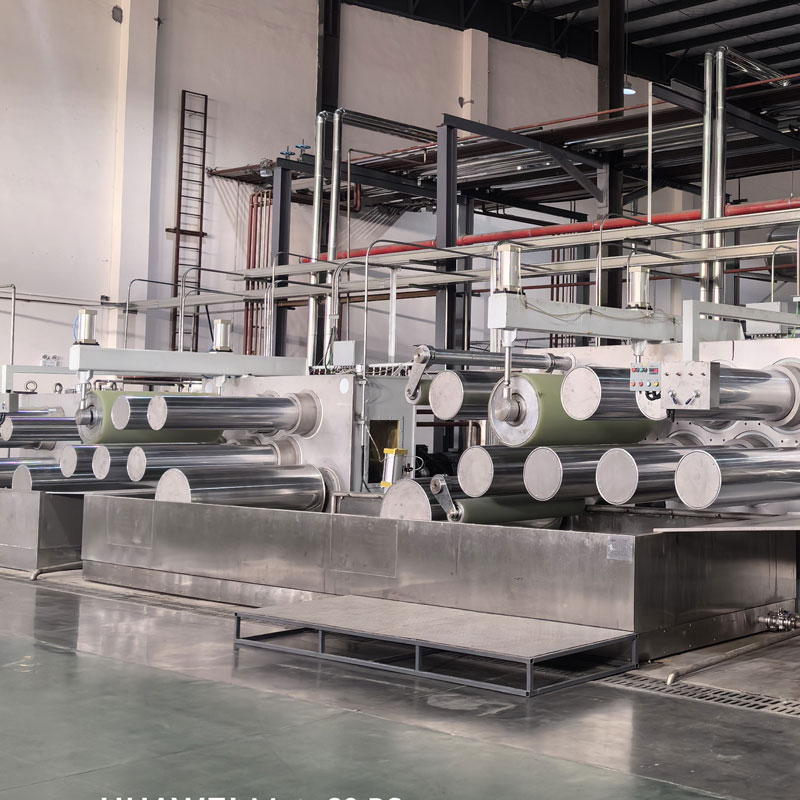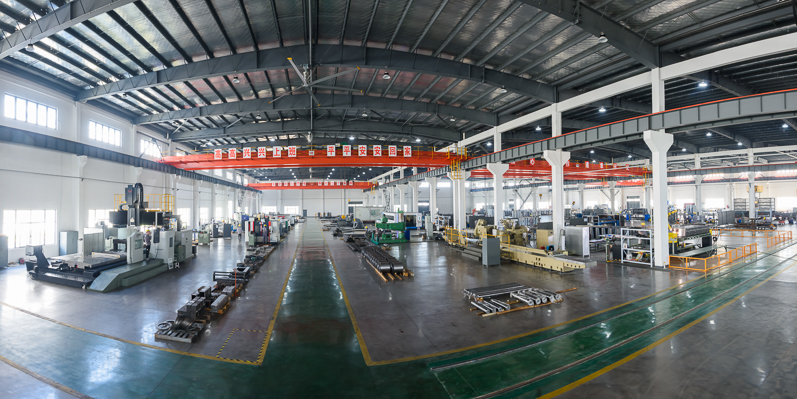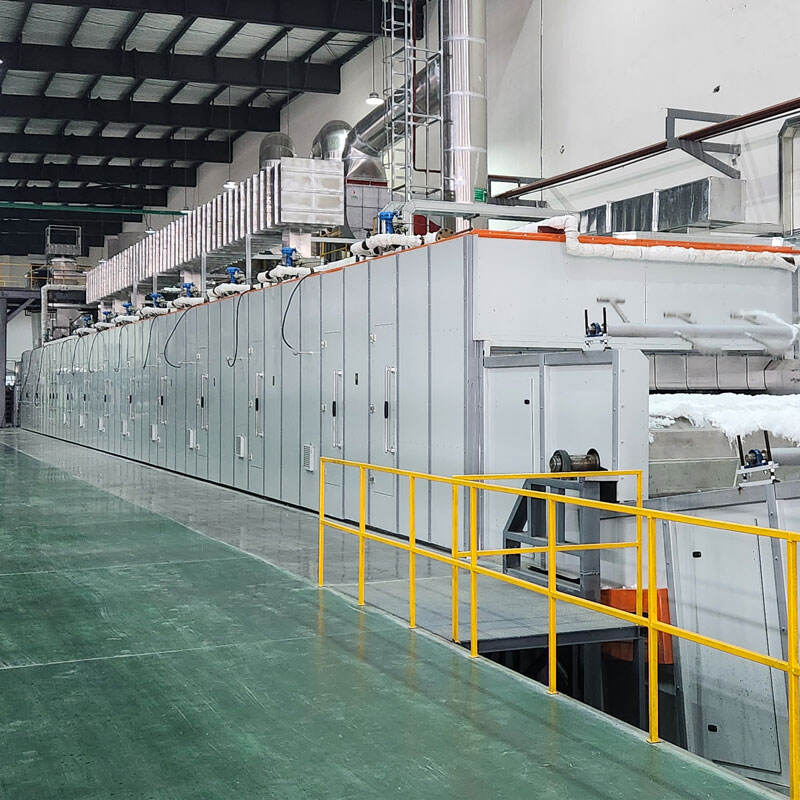
For factories operating a polyester staple fiber production line, one of the greatest challenges is finding ways to cut costs without compromising quality. In a hyper-competitive market, even the smallest savings per ton translates into significant profit over the long run. The best part is, there are ways to optimize different components of the polyester staple fiber production line with respect to cost—right from sourcing of input materials to maintenance practices. In this article, we will discuss polyester staple fiber production line operations and the most effective strategies for cost optimization.
In polyester staple fiber production, the main line of cost is related to the procurement of raw materials, therefore, getting it right is important. To start, consider using recycled materials—many polyester staple fiber production lines nowadays can convert old plastic bottles or textile scraps into high-quality fiber, which is also cheaper than virgin materials. For instance, some lines that switched to Upcycled inputs, reported a cost reduction of over 500 yuan per ton. Also, avoid sticking to a single supplier; (broaden) your sourcing channels and employ public bidding for sole-source items, such as some machines or components. This improves your cost. Another tip is to utilize waste materials—like collecting, cleaning, and reprocessing waste fiber from the polyester staple fiber production line instead of disposing of it. Companies like those using Suzhou Soft Gem polyester staple fiber production line solutions often reusing waste to reduce material costs by 5% or more.
Money goes down the drain with old polyester staple fiber production lines that use inefficient processes to spend more energy and create more waste. Smarter technology can solve this problem. For example, the polyester staple fiber production line can install sensors that monitor temperature and material flow, and this lets managers adjust settings in real time to prevent energy waste due to overheating and overprocessing. Some lines bypass unnecessary steps, like the traditional “chip-making” phase, so they save time and energy. Additionally, the use of new catalysts or improved machines (e.g., multi screw systems) in the polyester staple fiber production lines can reduce energy consumption by 10% or more. For example, polyester staple fiber production lines that switched to melt direct spinning technology decreased electricity consumption by 60 kWh per ton, which is significant over the course of a year.
Creating a Repair and Reuse Workshop
Managing your polyester staple fiber production line equipment keeps your production line running and helps you save instead of incurring costs from repeated equipment breakdowns. Setting up “repair and reuse” workshops helps save company money. Instead of replacing worn parts on the polyester staple fiber production line, factories fix items such as flow meters and controllers. Furthermore, maintenance extends the life of equipment, as dusting, grease losing, and leak checking on the polyester staple fiber production line saves energy. For example, Suzhou Soft Gem provides life cycle services for their polyester staple fiber production line equipment, managing to save their clients a budget from expensive replacement parts.
Operational Fine Tuning for Increased Efficiency
Small changes when managing your polyester staple fiber production line can result in large savings. Start by training employees to identify issues such as empty areas on production lines or irregular feeding of materials. Filling production line gaps and ensuring uniform material feeding can result in an output increase of 3-5% at no extra cost. Additionally, strategize your production to avoid unproductive time; if one section of the polyester staple fiber production line is stagnant, move tasks around to keep it working. Additionally, it helps to keep control of your “controllable costs” such as electricity used for lighting; keep lights off in production line areas that aren’t being used and set machines to run at slower speeds if it is not needed. The gaps in production lines and slower machine speeds are often the reason for higher electricity costs. Some production facilities have saved 10,000 yuan in electricity costs by implementing these changes.
Use Turnkey Solutions for All In One Savings
When putting together your polyester staple fiber production line, balancing different components can be costly. Missed connections between machines, incompatible parts, or wasted time on setup can all add to your costs. Only a handful of companies, such as Suzhou Soft Gem, offer complete packages for polyester staple fiber production lines, as they are the only ones offering design, installation, training, and maintenance. Because of this, you are able to save money on adjustments and fixes, as everything works together. Additionally, you are able to avoid overbuying since turnkey polyester staple fiber production line solutions offer exactly what you need. Many clients have found their turnkey polyester staple fiber production line to not only reduce long-term maintenance costs by 15%, but also to decrease setup time by about 30%, compared to building a line from scratch.
 Hot News
2024-07-25
2024-07-25
2024-07-25

Soft Gem We are committed to the integration and innovation of the overall solution for the fiber material production plant, including the whole project planning, process package and engineering design, complete equipment manufacturing, digital information integration, terminal product performance assurance, and full life cycle services. We have an experienced technical research and development team with expertise
No. 19, Jiulong Road, southeast development zone, Changshu, Suzhou
Copyright © 2024 Suzhou Soft Gem Intelligent Equipment Co., Ltd. Privacy Policy
 EN
EN