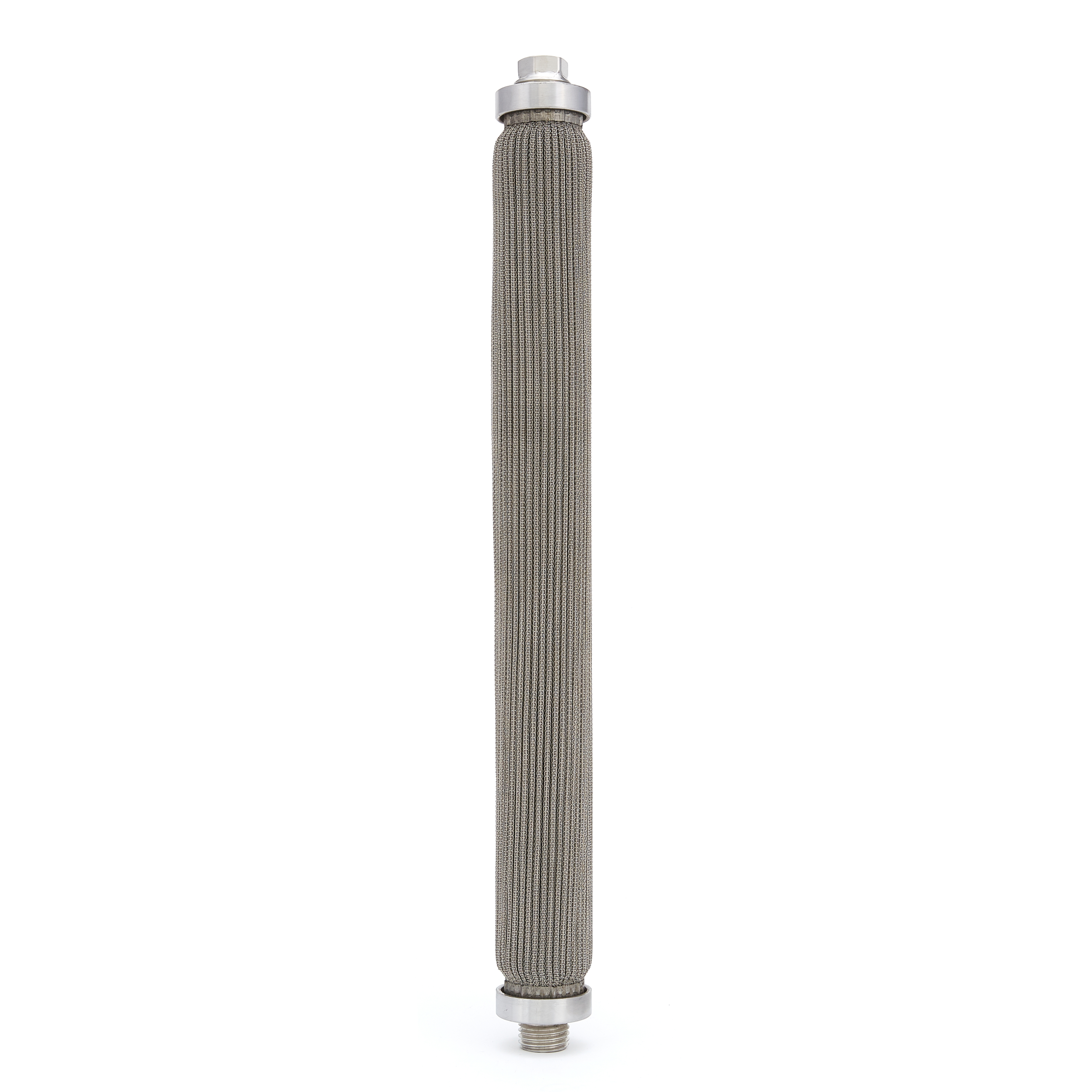
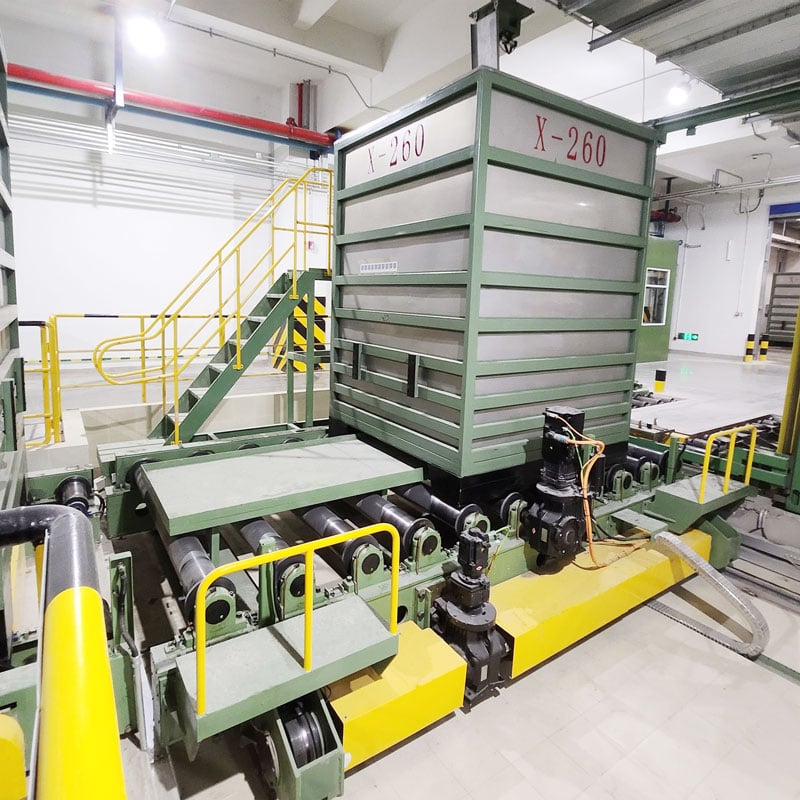
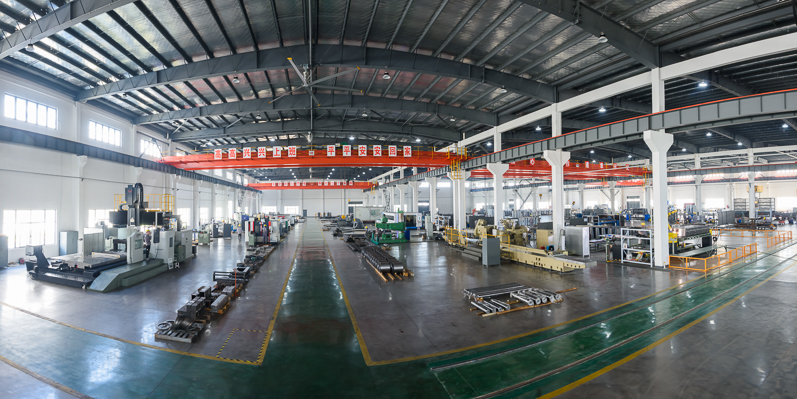
Optimizes raw material utilization and reduces waste
Making polyester fiber has become a model of efficient raw material use in modern production, minimizing waste that once plagued manufacturing. Advanced production lines for making polyester fiber, such as those with daily capacities ranging from 2 to 200 tons, are designed to maximize material conversion. Unlike traditional processes that leave significant scraps, these lines precisely control the extrusion, drawing, and cutting stages. This ensures almost every bit of raw material is turned into usable fiber, whether it’s solid polyester staple fiber or three dimensional hollow PSF. Manufacturers with over 30 years of synthetic fiber equipment experience also integrate recycling systems into making polyester fiber. Waste from production is reprocessed and fed back into the line, further reducing material loss. For businesses, this efficient utilization cuts raw material costs and aligns with sustainability goals, making production both economical and environmentally friendly.
Enables high speed continuous production
Speed is a key driver of efficiency in modern manufacturing, and making polyester fiber delivers this through continuous high speed production lines. Traditional fiber production often involved intermittent processes with frequent stops for adjustments or material changes. But modern lines for making polyester fiber operate 24 hours a day with minimal interruptions. For example, 100TPD high tenacity PSF production lines can churn out large volumes of consistent fiber without compromising quality. The integration of intelligent control systems, like 5G enabled monitoring, allows for real time adjustments to keep the line running smoothly. This continuous operation eliminates downtime associated with batch processing, drastically increasing daily output. Whether producing fiber for textiles, automotive parts, or packaging, making polyester fiber’s high speed capabilities help businesses meet large orders quickly and stay ahead of market demand.
Enhances product consistency and reduces rework
Consistency directly impacts production efficiency by reducing rework and quality checks, and making polyester fiber excels in delivering uniform products. Strict quality control procedures during making polyester fiber ensure every batch has consistent titer ranging from 0.78 to 25 dtex, strength, and texture. Advanced technologies like precise temperature control and automated tension adjustment eliminate variations that lead to defective products. Manufacturers with professional R&D teams also refine the production process to maintain stability, even when switching between fiber types like low melt polyester or degradable blends. This consistency means fewer products are rejected during quality checks, saving time and resources spent on reworking or remanufacturing. For industries where uniform product performance is critical, making polyester fiber’s reliability streamlines the entire production workflow from raw material to finished goods.
Supports integrated turnkey production solutions
Making polyester fiber integrates seamlessly with turnkey production solutions, creating end to end efficiency for manufacturers. Many suppliers offer comprehensive packages that include not just making polyester fiber, but also plant design, equipment installation, staff training, and technical support. This one stop service eliminates the need for businesses to coordinate with multiple vendors, saving time and reducing logistical headaches. For example, a textile manufacturer can partner with a supplier to set up a complete line that starts with making polyester fiber and ends with fabric production. The integration of digital information systems also allows for seamless data flow between production stages, enabling real time monitoring and optimization of the entire workflow. This holistic approach to making polyester fiber ensures every part of the production process works in harmony, maximizing overall efficiency and reducing operational complexity.
Facilitates versatile application and quick product switching
Modern production demands flexibility to adapt to changing market needs, and making polyester fiber supports this through versatile applications and quick product switching. Production lines for making polyester fiber can be adjusted to produce different types of fiber, including high tenacity PSF, hollow PSF, and low melt blends, without major overhauls. This flexibility allows businesses to switch between producing fiber for hygiene products, automotive interiors, or filter materials in a short time. Advanced equipment like flexible staple fiber making machines even enable producing both hollow and solid polyester fiber on the same line. This versatility eliminates the need for separate production lines for different products, saving space and investment. For businesses looking to diversify their offerings or respond to short term market trends, making polyester fiber’s ability to adapt quickly enhances operational agility and overall production efficiency.

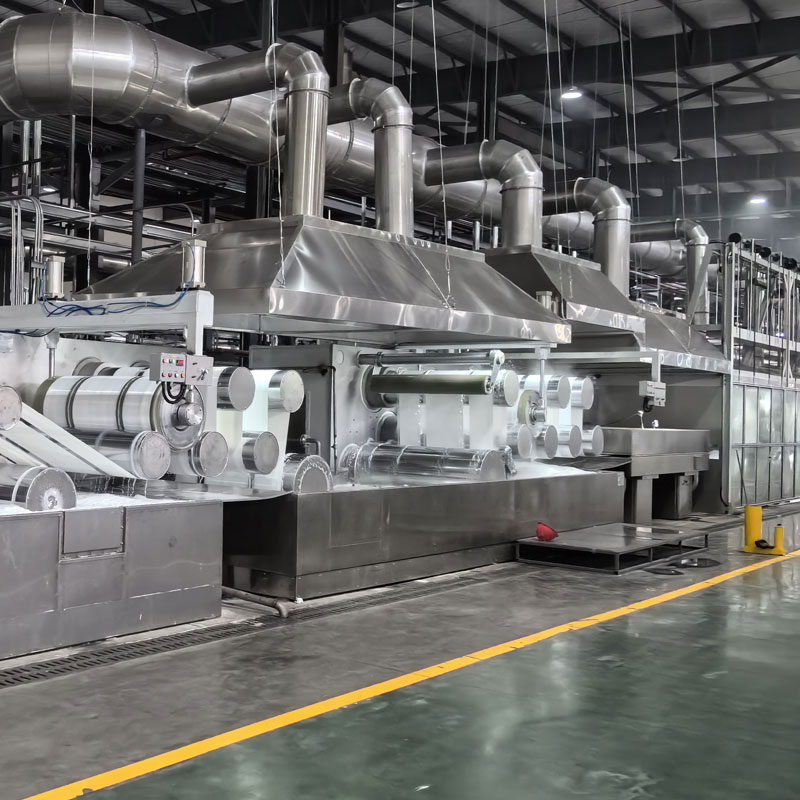
 Hot News
 EN
EN