Green solvent technology revolutionizes staple fiber process
Now more and more industries focus on environmental protection and the staple fiber process is no exception. The emergence of ionic liquid technology has brought a huge change to the staple fiber process. Traditional staple fiber process often relies on strong acids strong bases and carbon disulfide which are not only easy to cause environmental pollution but also bring risks to the safety of production workers. The ionic liquid method uses stable and non-volatile ionic liquids as solvents to dissolve cellulose. This not only gets rid of the dependence on harmful chemical reagents but also realizes zero emission of waste water waste gas and solid waste in the whole staple fiber process.
A thousand ton level production line using this technology has been put into operation successfully. It can reduce carbon dioxide emissions by 5000 tons every year compared with traditional processes and the solvent recovery rate can reach more than 99%. Many enterprises have also applied this green technology to the staple fiber process. They have achieved the whole chain from raw material preparation to spinning while ensuring product quality. This kind of green innovation not only complies with the global environmental protection policy but also saves the subsequent environmental treatment costs for enterprises making the staple fiber process more sustainable.
Digital intelligent upgrading optimizes staple fiber process
The digital transformation has greatly improved the stability and efficiency of the staple fiber process. Many intelligent workshops have installed central control systems which can automatically adjust the temperature concentration and stretching degree in the production process. Every key parameter of the staple fiber process has digital display and automatic early warning functions. Workers can check the production status in real time and trace the whole process of each batch of products.
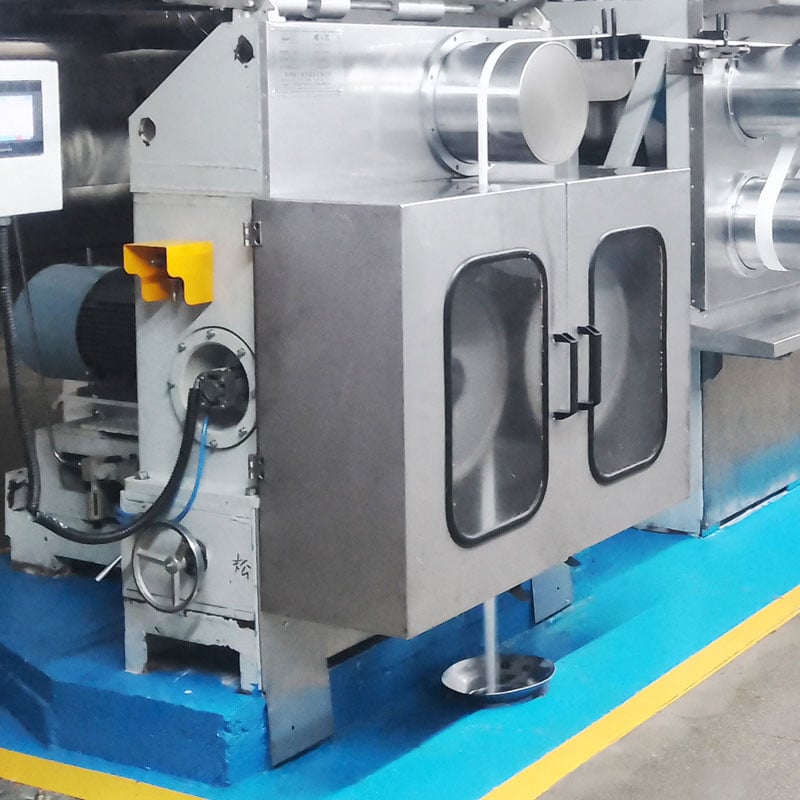
A textile enterprise has realized digital management of 148 core business processes in the staple fiber process. After the transformation the qualified rate of its products has increased by 5% and the quality inspection response time has been shortened by more than 30%. In addition some enterprises have added glue homogenizing devices in the staple fiber process. This device can grind and homogenize the spinning glue and convert the stubborn impurities in it effectively solving the problem of nozzle blockage that often occurred in the traditional staple fiber process. These intelligent upgrades make the staple fiber process get rid of the previous backward mode of relying on manual observation and adjustment and move towards a more precise and efficient direction.
Raw material reuse innovates staple fiber process
The reuse of waste raw materials has become a prominent innovation direction in the staple fiber process. A large number of waste textiles are discarded every year and now many enterprises have found a way to turn these wastes into treasures through innovative staple fiber process. A enterprise has developed a technology that can make staple fiber from waste cotton fabrics. After processes such as shredding and melting the waste fabrics can be processed into staple fiber and the content of recycled pulp in the product can reach 50%.
Each ton of waste cotton fabrics can produce 0.99 tons of colored cotton yarn. Another enterprise has broken the limitations of the traditional production process and directly processed waste cloth into polyester staple fiber which saves more than 500 yuan per ton of cost. These technologies not only solve the problem of waste textile treatment but also expand the source of raw materials for the staple fiber process. The cost of recycled raw materials is much lower than that of new raw materials which enables enterprises to gain more competitive advantages in the market while achieving the concept of resource recycling.
Fiber modification technology upgrades staple fiber process
Fiber modification technology has broken the bottleneck of product grade in the traditional staple fiber process and greatly improved the added value of products. Ramie fiber used to be thick and could only produce yarn of more than 100 metric counts through the staple fiber process. But in recent years through fiber modification technology enterprises have successfully developed ultra high count ramie yarn of 500 metric counts. This kind of yarn has high technical content and is favored in the high-end fabric market.
For jute and other fibers enterprises carry out mechanical modification and surface modification in the staple fiber process. The modified fine jute fiber can be made into high-grade blended yarn which is used to produce various fabrics such as denim and canvas. Some enterprises also use the drawing and cutting process in the staple fiber process. They adjust the length of wool fiber to be close to that of combed cotton fiber and then spin it on improved equipment to produce wool like cotton wool blended yarn. These modification innovations make the staple fiber process can process more types of fibers and produce products meeting different market demands.
New spinning technology optimizes staple fiber process
The innovation of spinning technology has further optimized the effect of the staple fiber process and solved many problems in traditional spinning. Embedded spinning technology independently developed in China has been widely used in the staple fiber process. This technology first pre twists and winds two staple fiber roving and then twists them into a single yarn which is very suitable for spinning multi component blended yarn such as hemp and cotton.
Advanced technologies such as siro spinning and siro compact spinning are also applied in the staple fiber process. These technologies can reduce the generation of hairiness in yarn and improve the strength and evenness of yarn. Compared with the traditional ring spinning the staple fiber process combined with these new spinning technologies not only shortens the production process but also improves the quality of finished yarn. Some enterprises have also improved the spinning system. They use the cotton spinning ring spinning system to dry spin flax short fibers which greatly shortens the process and improves the cost performance of products making the staple fiber process more flexible and efficient.

 Hot News
 EN
EN