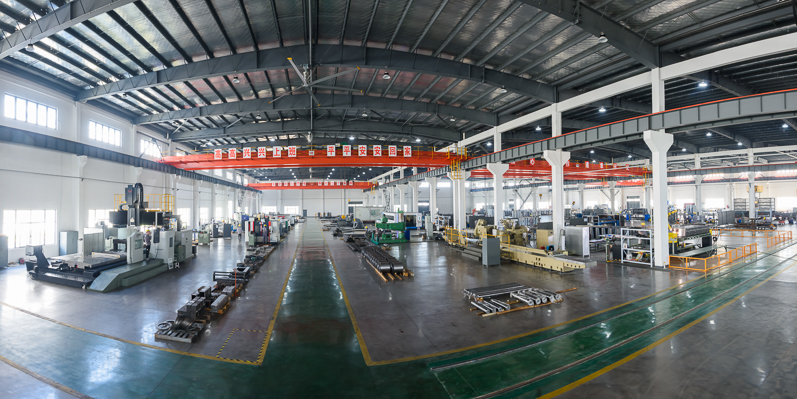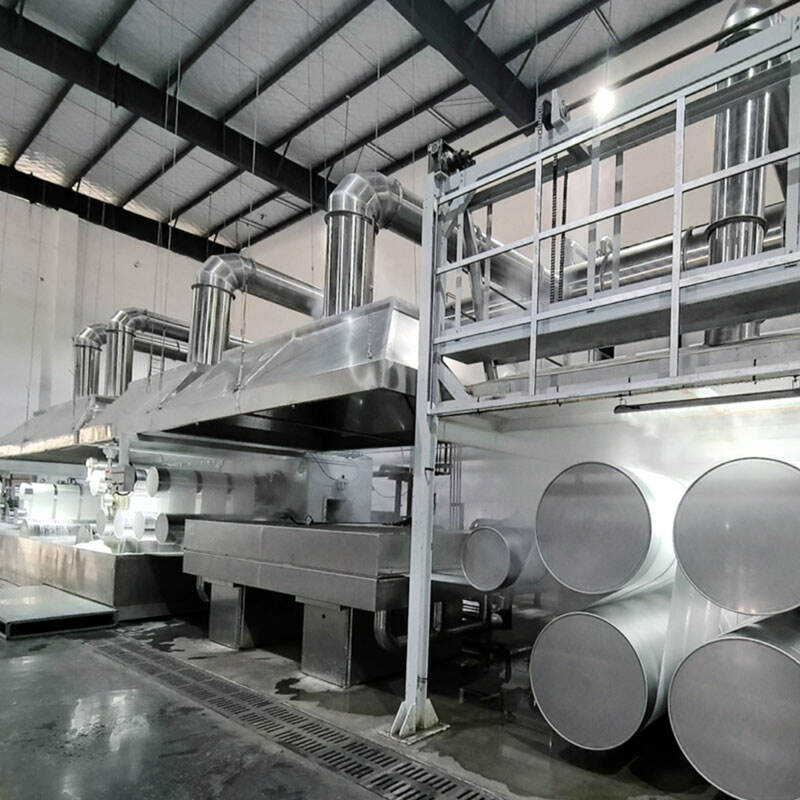
Hey everyone! Today, let's chat about something super relevant: which industries are getting the biggest boost from using recycled fiber. It's a question I get asked a lot. From my work at SoftGem, I can tell you it's not just one or two sectors. The shift towards recycled fiber is creating winners across the board by cutting costs and meeting green goals. So, which ones benefit the most? In my view, it's the industries under the most pressure—both from consumers and regulations—to innovate sustainably. Let's break it down.
Hands down, the packaging and textile industries see massive gains. I recall a project with a large packaging client who was drowning in virgin material costs and waste disposal fees. We introduced a customized recycled fiber solution from SoftGem into their production line. The result? Their material costs dropped by nearly 18% within a quarter, and they streamlined their waste management significantly. For textiles, another sector I've worked closely with, the story is similar. Brands using our high quality recycled fiber report not just a stronger sustainability story for marketing, but also more resilient supply chains. They aren't as vulnerable to the price swings of virgin cotton or polyester. This firsthand experience shows recycled fiber is a strategic tool, not just an environmental checkbox.
Now, let's talk about two heavy hitters: automotive and construction. You might not immediately link recycled fiber with car parts or building materials, but the benefits are substantial. Industry analysis, like the findings from the Sustainable Materials Forum, shows that using engineered recycled fiber composites can reduce component weight in vehicles, improving fuel efficiency. In construction, recycled fiber based products, such as sound insulation panels or reinforced composites, offer excellent performance with a much lower carbon footprint. At SoftGem, our expertise lies in engineering these fibers for specific strength and durability requirements. This technical know how allows manufacturers in these sectors to meet strict performance standards while optimizing their production costs and lifecycle environmental impact. It's a clear win for efficiency and compliance.
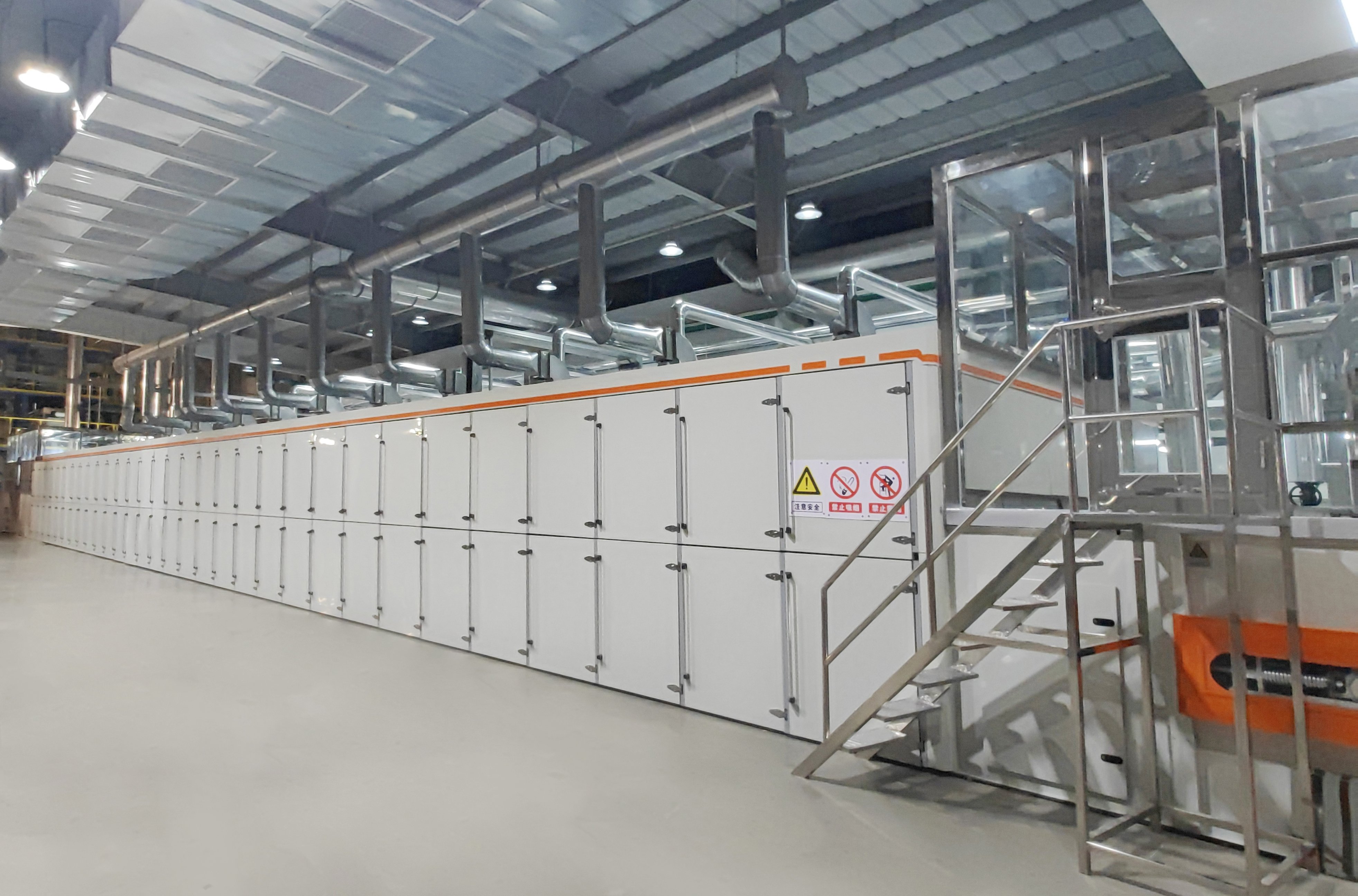
What do the experts say? Leading voices in circular economy research, like Professor Alan Reed, emphasize that industries with high volume material usage and end of life recovery potential stand to gain the most. This perfectly describes sectors like packaging, textiles, and even the growing field of disposable nonwovens. A report by the Global Resource Initiative highlights that integrating recycled fiber can future proof businesses against resource scarcity and carbon taxes. At SoftGem, we build on such authoritative insights. Our product development is guided by these trends, ensuring our recycled fiber solutions are not only high performing but also align with evolving international standards. This forward thinking approach gives our clients a trusted, authoritative edge in their markets.
So, what makes the difference? It's not just about having recycled fiber; it's about having the right recycled fiber. The biggest benefit comes from consistent quality and tailored application. Industries thrive when their recycled fiber is reliable. This is where SoftGem's professionalism shines. We provide rigorously tested recycled fiber that meets precise specifications, whether for softness in textiles or rigidity in composites. Our advantage is a closed loop quality control system and collaborative design process. We work with clients to adapt the fiber to their exact machinery and product goals, minimizing production hiccups. The outcome for businesses is straightforward: reduced operational risk, enhanced product value, and a solid, trustworthy sustainability credential that resonates with today's consumers and investors alike.
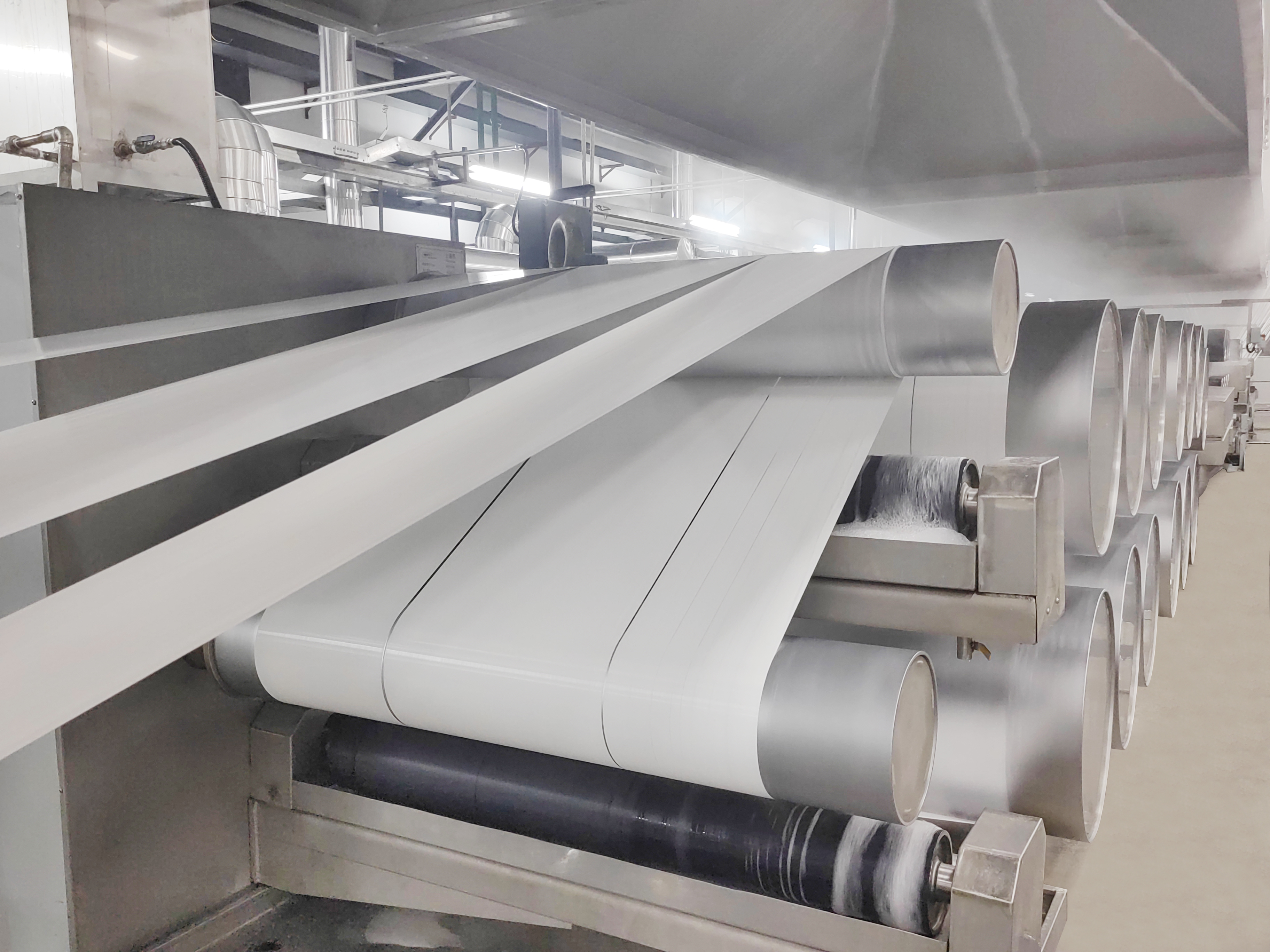
 Hot News
2024-07-25
2024-07-25
2024-07-25

Soft Gem We are committed to the integration and innovation of the overall solution for the fiber material production plant, including the whole project planning, process package and engineering design, complete equipment manufacturing, digital information integration, terminal product performance assurance, and full life cycle services. We have an experienced technical research and development team with expertise
No. 19, Jiulong Road, southeast development zone, Changshu, Suzhou
Copyright © 2024 Suzhou Soft Gem Intelligent Equipment Co., Ltd. Privacy Policy
 EN
EN