Let's talk about something every production manager cares about: the bottom line. If you're in nonwovens, textiles, or composites, you've likely heard about low melt fibers. But the real magic isn't just in the material—it's in the equipment that processes it. Specifically, I want to break down how investing in a modern 4080 low melt fiber machine can lead to serious and sustained cost reductions. From my visits to client sites and our own testing, the savings aren't just theoretical; they show up clearly on the balance sheet. It all comes down to smarter, more efficient manufacturing.
I remember working with a mid-sized automotive insulation supplier last year. They were using an older generation system. Their pain points? High energy bills, frequent downtime for maintenance, and a lot of material waste due to inconsistent bonding. We recommended upgrading to one of our advanced 4080 low melt fiber machine models. The transformation was stark. Within six months, their energy consumption for the bonding process dropped by an estimated 30%. Why? Because the precision temperature control in the 4080 low melt fiber machine means you only use the exact heat needed, with no wasteful spikes. Material waste from faulty bonds decreased significantly, directly boosting their yield. This case solidified my view: the right 4080 low melt fiber machine isn't an expense; it's a strategic cost-saving asset.
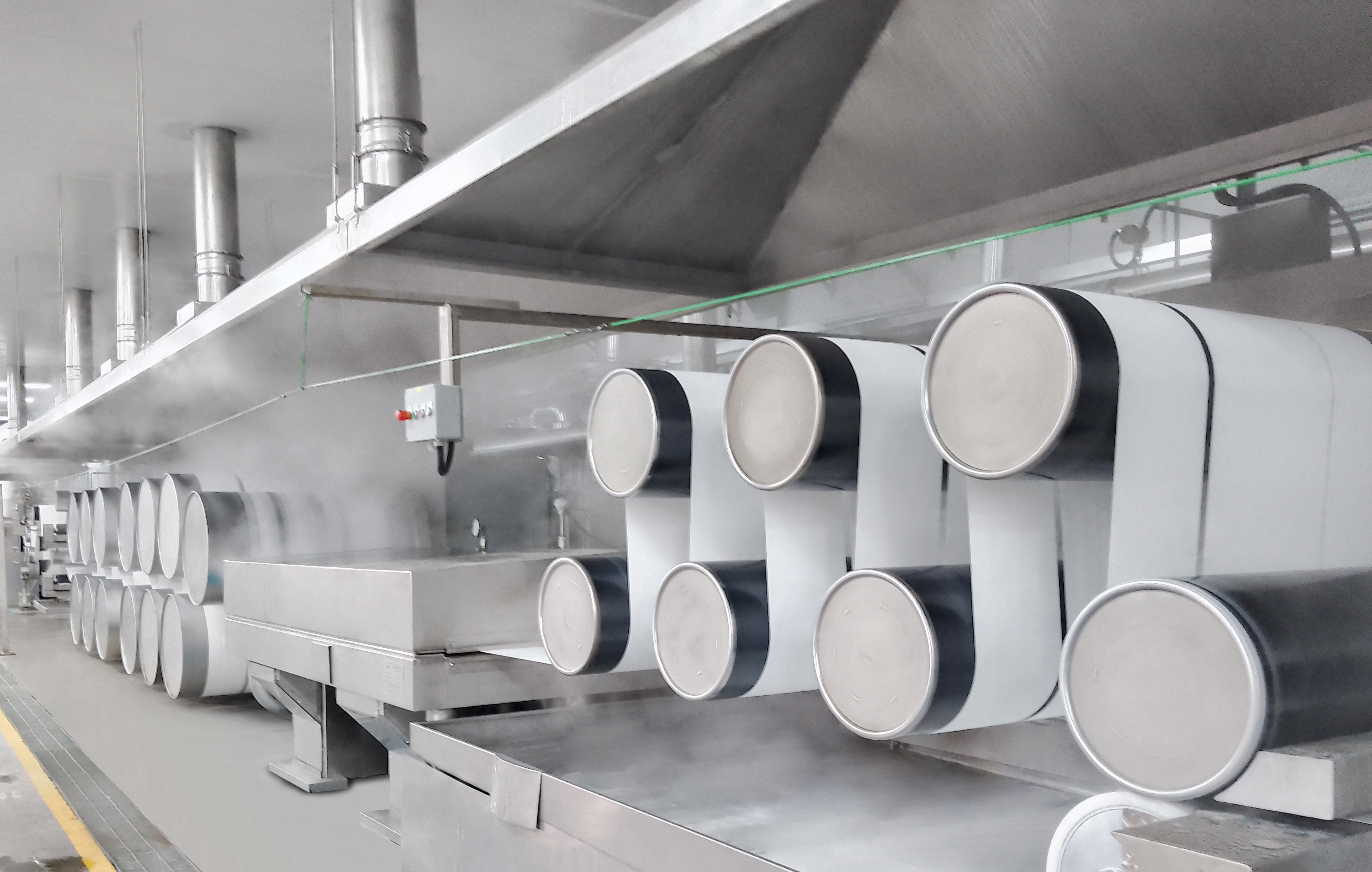
So, how does a 4080 low melt fiber machine achieve this? Let's dive into the expertise behind it. First, efficiency is engineered into its core. Modern 4080 low melt fiber machine designs focus on superior thermal uniformity across the working width. This ensures every fiber bonds perfectly at a lower average temperature, slashing energy costs. Second, speed and stability are key. A high-performance 4080 low melt fiber machine allows for faster production line speeds without sacrificing quality, meaning you produce more in less time. Third, it enables the use of more recycled or alternative material blends reliably. By providing consistent, gentle heat, a good 4080 low melt fiber machine can process sensitive recycled content that older machines might damage, reducing your raw material costs. This technical prowess is where initial investment pays back daily.
You don't have to take my word alone. Analysts at institutions like the Nonwovens Industry Report consistently highlight that upgrading to precision thermal bonding equipment is a top trend for improving operational efficiency. As one production expert I follow often says, "In thermal bonding, control is currency." A state-of-the-art 4080 low melt fiber machine gives you ultimate control over the most costly variables: energy, material, and time. At our company, we align our 4080 low melt fiber machine development with these authoritative benchmarks for efficiency. We conduct rigorous lifecycle analyses to provide transparent data on total cost of ownership, not just the sticker price. This commitment to verifiable performance builds trust and helps you make a data-driven investment decision.
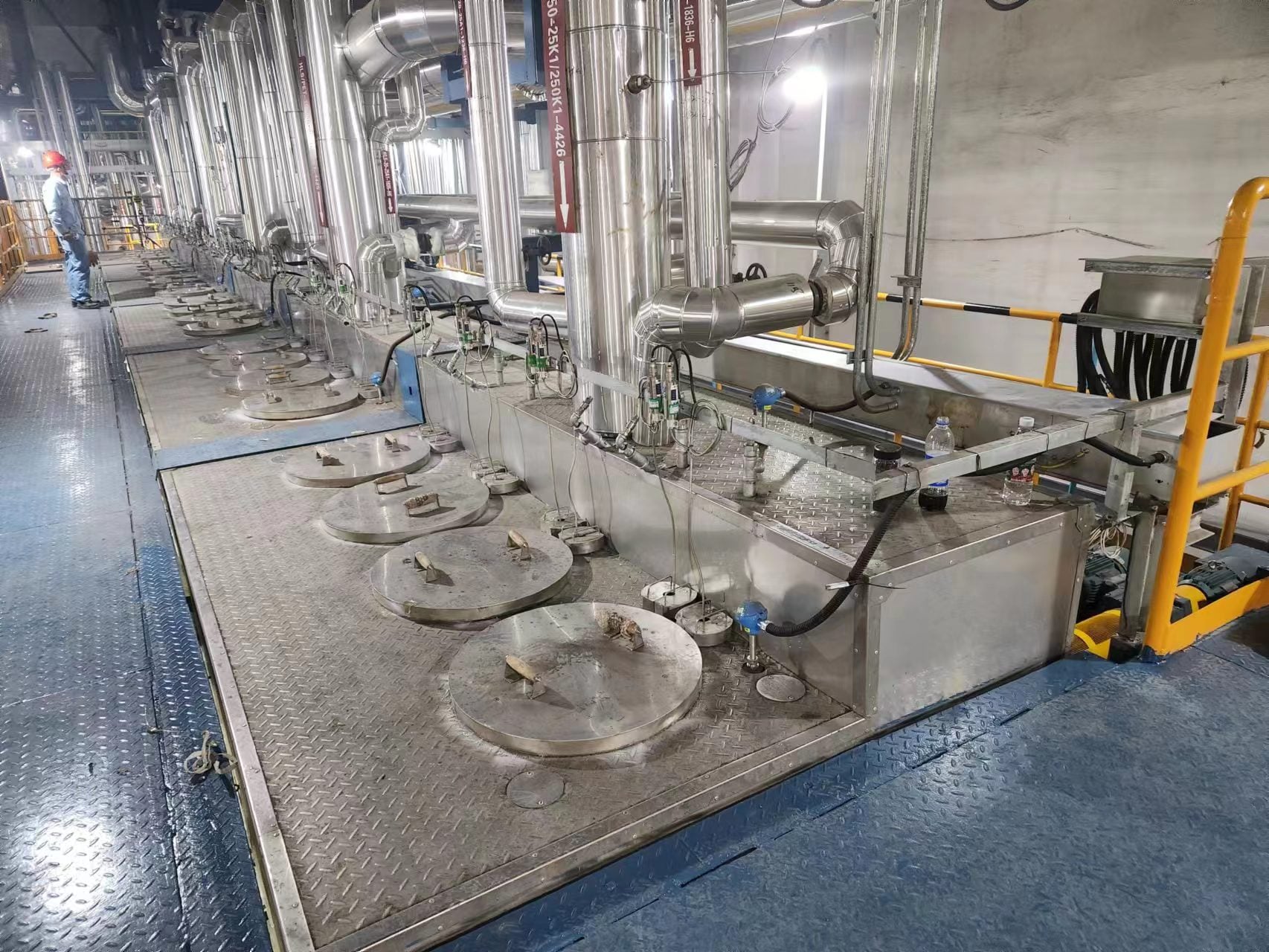
Ultimately, the greatest cost reduction comes from reliability and intelligent design. Not all machines labeled "4080 low melt fiber machine" are equal. Our focus is on building units that minimize operational friction. Advantages like user-friendly touchscreen controls reduce operator error and training time. Robust construction with easy-access parts cuts maintenance downtime by half. Furthermore, our 4080 low melt fiber machine is designed for versatility, allowing you to switch between different product lines quickly, maximizing your machine utilization and opening new revenue streams. By choosing a machine built with this level of professional foresight, you're not just buying a tool; you're installing a pillar of profitable, low-waste, and future-proof production. The path to lower costs starts with a machine that works smarter, and that's precisely what we've engineered.
 Hot News
2024-07-25
2024-07-25
2024-07-25

Soft Gem We are committed to the integration and innovation of the overall solution for the fiber material production plant, including the whole project planning, process package and engineering design, complete equipment manufacturing, digital information integration, terminal product performance assurance, and full life cycle services. We have an experienced technical research and development team with expertise
No. 19, Jiulong Road, southeast development zone, Changshu, Suzhou
Copyright © 2024 Suzhou Soft Gem Intelligent Equipment Co., Ltd. Privacy Policy
 EN
EN