Smart Design Saves Energy from the Start
Let's be honest, when you think about cutting costs in a PSF (Polyester Staple Fiber) factory, your mind might jump to squeezing suppliers or cutting corners. But in my years visiting plants, the real game-changer is often the production line itself. A modern, well-designed PSF production line is built for efficiency right out of the gate. Think about energy use—it's a huge chunk of your operating budget. Older lines can be energy hogs, especially in the spinning and thermal setting stages. Newer lines, like the advanced systems we develop, integrate high-efficiency heaters, heat recovery units, and optimized airflow. I recall one client who upgraded their thermal conditioning section; they saw a drop in energy consumption of nearly 15% in the first year alone. That's not just a small saving; it's a major direct impact on the bottom line, proving that the right machinery is an investment, not just an expense.
Maximizing Raw Material Yield is Key
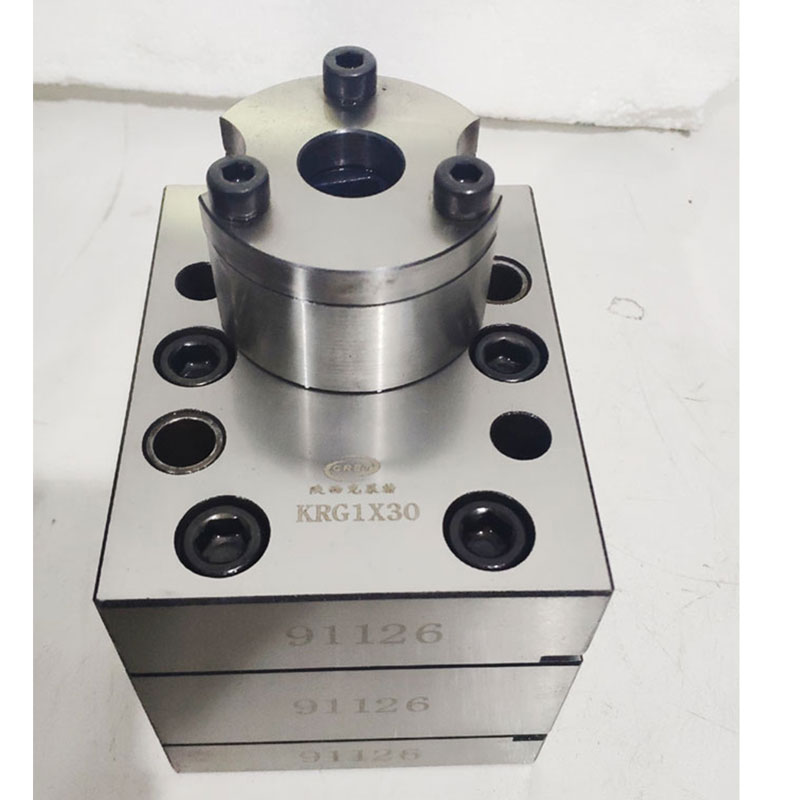
Another massive area for cost control is raw material usage. Waste is literally money thrown away. A top-tier PSF production line achieves remarkable consistency in fiber denier and cut length. This precision means less off-spec material during production. From my experience, inconsistent polymer throughput or poorly maintained spinning packs can lead to a shockingly high percentage of waste fiber. Modern lines employ precise melt metering pumps and sophisticated quenching systems to ensure the polymer solidifies perfectly every time. Experts like Dr. Lisa Wang, a noted polymer engineer, often emphasize that "process stability is the unsung hero of material yield." By minimizing waste and rework, a stable psf production line directly translates to more saleable fiber from every ton of PTA and MEG you buy, significantly reducing your cost per kilogram.
Lower Maintenance Means Less Downtime
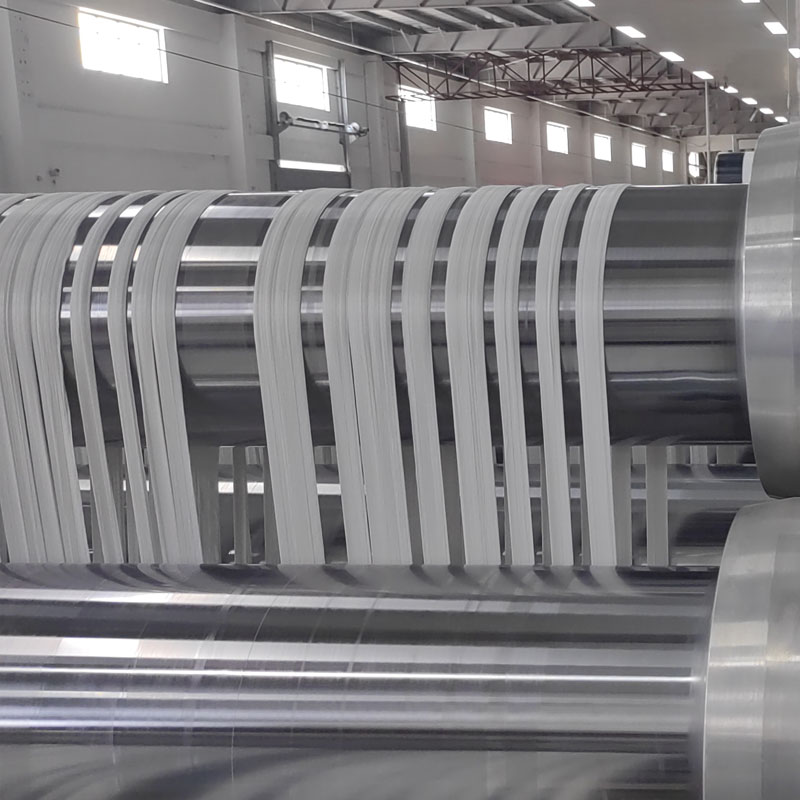
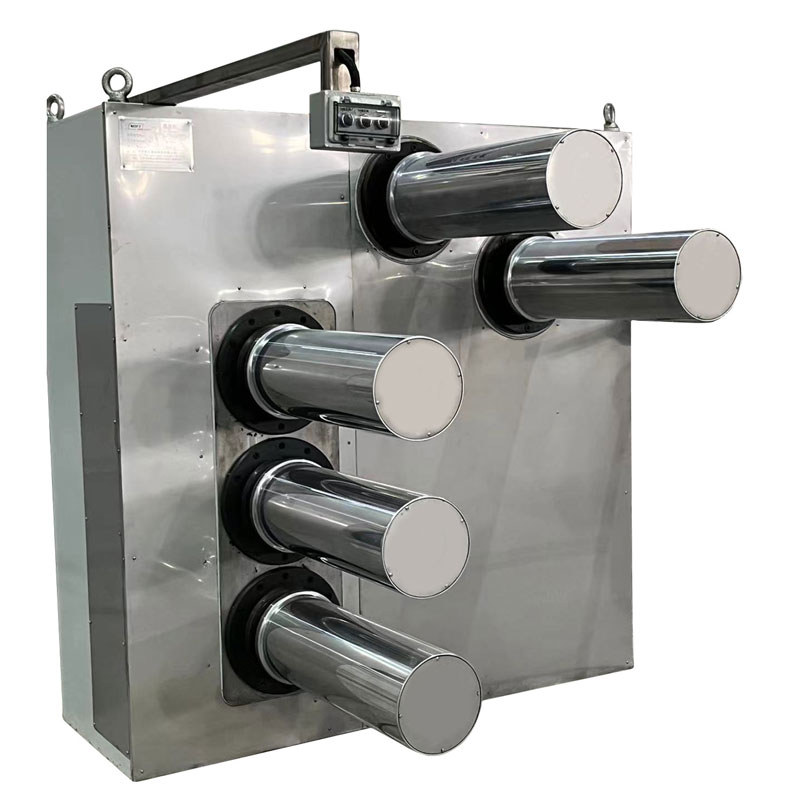
Here’s a cost many underestimate: unscheduled downtime. A line that constantly needs fixing not only incurs spare parts and labor costs but also halts revenue. The reliability of a psf production line is paramount. In our designs, we use premium, wear-resistant components for critical parts like godet rollers and spin finish applicators. This might seem like a higher upfront cost, but let me share a case. A mill manager once told me that after switching to a line with a more durable spinning beam design, their interval between major overhauls extended by thousands of running hours. This meant fewer production stoppages, lower long-term maintenance costs, and a more predictable schedule. This reliability builds trust in your ability to deliver orders on time, which is priceless.
Automation Cuts Labor Costs and Errors
Labor is a significant and growing expense. A modern psf production line addresses this head-on with a high degree of automation. Think automated doffing, robotic bale handling, and integrated process control systems. One of our clients automated their fiber packaging and palletizing section. They reduced the required personnel in that area by 60% and virtually eliminated manual handling errors that sometimes led to product damage. The control system, constantly monitoring parameters, also prevents costly human errors in settings that could ruin a whole batch. This isn't about replacing people but about empowering them to oversee more value-added tasks while the machine handles repetitive, precise operations, leading to a leaner, more efficient operation.
Consistent Quality Avoids Costly Returns
Finally, let's talk about the hidden cost of poor quality: customer returns, reputation damage, and lost business. A superior psf production line is your best quality control officer. Its integrated monitoring systems track everything from polymer intrinsic viscosity to final bale weight. This ensures every batch meets strict specifications. Consistent fiber quality means your downstream customers—the nonwoven or textile mills—have fewer process issues. As industry reports from bodies like PCI Wood Mackenzie stress, supply chain reliability is crucial. When you deliver uniform PSF, you avoid discounts, rejections, and the ultimate cost of losing a client. Therefore, investing in a precise and stable production line safeguards your revenue and brand, which is the most profound way to protect your profits long-term.
 Hot News
2024-07-25
2024-07-25
2024-07-25

Soft Gem We are committed to the integration and innovation of the overall solution for the fiber material production plant, including the whole project planning, process package and engineering design, complete equipment manufacturing, digital information integration, terminal product performance assurance, and full life cycle services. We have an experienced technical research and development team with expertise
No. 19, Jiulong Road, southeast development zone, Changshu, Suzhou
Copyright © 2024 Suzhou Soft Gem Intelligent Equipment Co., Ltd. Privacy Policy
 EN
EN