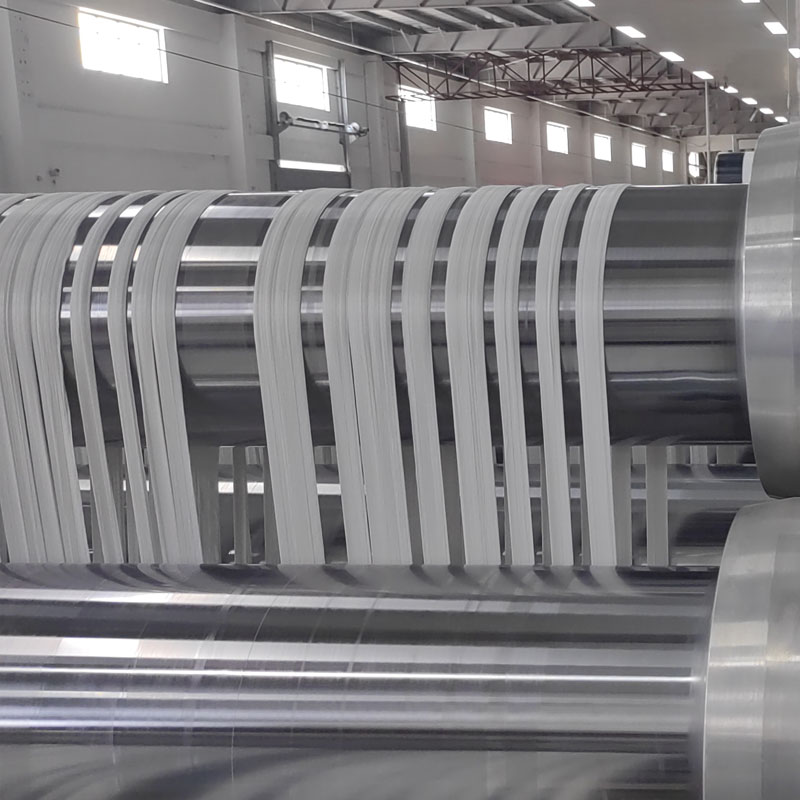
Polyester staple fiber makes up well over half of all fiber produced worldwide these days. The reason? It just works really well for blending with other materials. Cotton mixed with PSF lasts longer, shrinks less, and stays wrinkle free much better than either material alone. These qualities make it a go to option for clothing companies producing massive quantities of clothes every year. The fibers stay about the same length throughout production and take dyes very evenly too. This matters a lot in fast fashion manufacturing where colors need to look exactly the same from one shipment to another and products have to hit stores quickly before trends fade away.
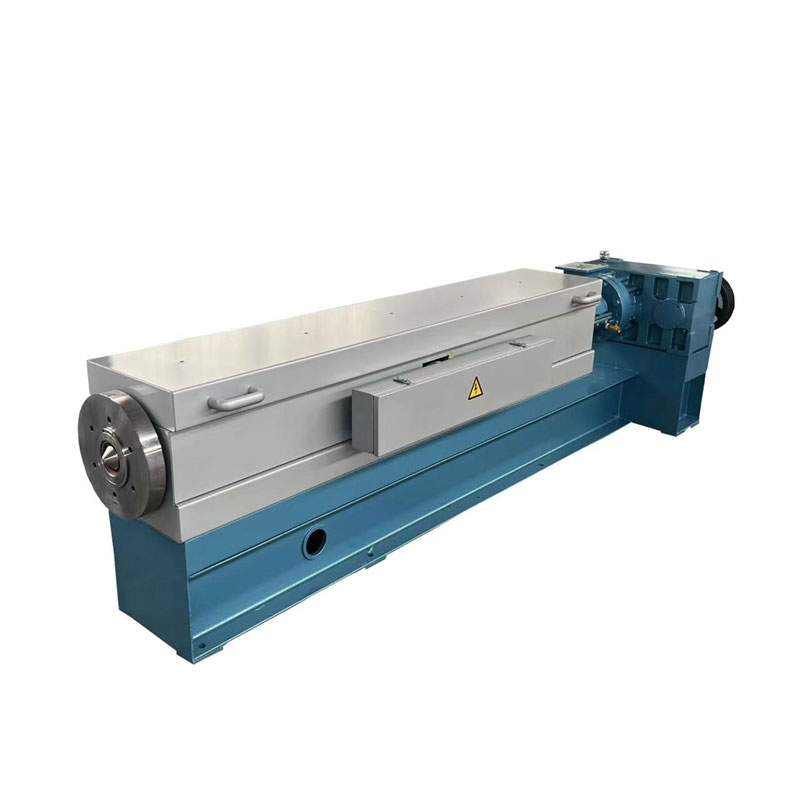
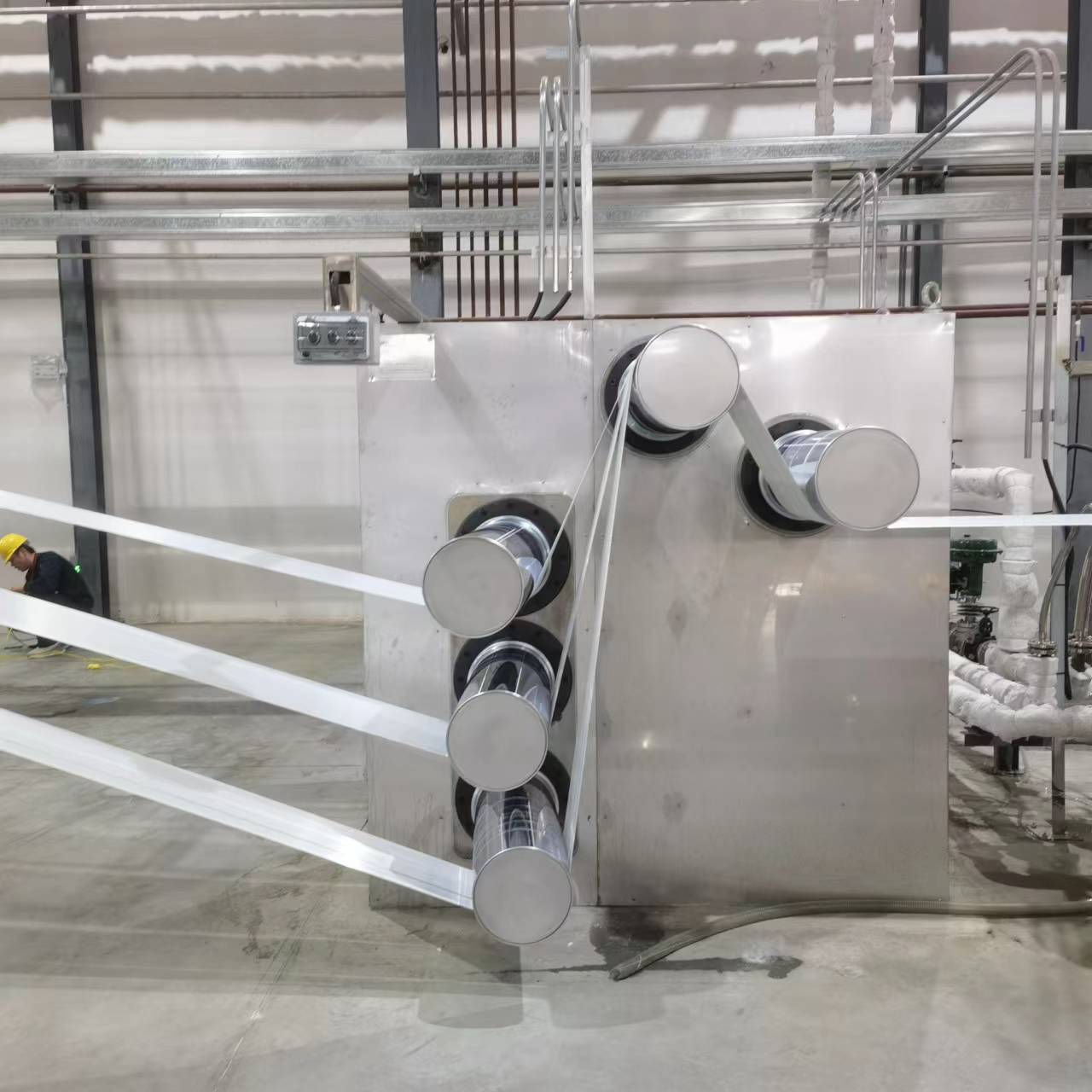
Today's PSF production lines bring remarkable precision to large scale manufacturing. High speed crimping and cutting tech works wonders for fiber structure without slowing down production rates. The tight control over denier levels, around plus or minus 0.1 dtex, creates fibers with consistent strength properties that actually make clothes last about 30% longer compared to garments made from natural fibers alone. On the extrusion side, manufacturers have cracked the code on balancing water resistance against good dye uptake. This means fabrics repel moisture better by roughly 40%, yet still take colors well enough to pass those tough colorfastness tests required in fast fashion circles, including ISO 105-C06 and AATCC 16 standards. For textile mills running at full capacity, these advancements mean they can hit all the performance targets set by the market without having to compromise on either product quality or their sustainability goals.
The market for non-woven materials jumped around 24 percent from 2021 onwards, mainly because people became much more concerned about staying clean and healthy during those pandemic years plus there was lots of money going into building new facilities. When it comes to medical stuff like operating room covers, bandages for wounds, and protective clothing worn during procedures, these items account for roughly 35% of all special purpose non-wovens produced today. Technical non-wovens used in things such as air filters, soil stabilization fabrics, and building materials continue to grow steadily at about 12% each year. Much of this expansion happens in places across Asia and Pacific regions where governments and businesses are investing heavily. Take China for instance, their industry is expanding quite fast with an annual growth rate of nearly 8%. The reason behind all this progress? Well, companies need better performing materials and regulations keep getting stricter too. Standards set by organizations like ISO 13485 which deals with medical equipment and EN 13252 regarding synthetic ground cover materials mean manufacturers must ensure consistent quality and track where everything comes from throughout production.
The PSF production systems offer something special when it comes to non-woven materials because they allow adjustment of the fiber structure. When we talk about crimp control ranging from 8 to 12 waves per inch, this actually makes a big difference in how well the webs hold together during processes like spunlacing and needle punching. And getting denier measurements right down to within plus or minus 0.05 dtex creates those consistent pores needed for high quality HEPA air filters and water filters that can catch particles smaller than 5 microns. What's really interesting is how these production lines create fibers that work great with thermal bonding methods. This approach cuts down on energy consumption by around 18 percent compared to traditional chemical lamination techniques. Plus there are no volatile organic compounds coming off from adhesive products anymore. For manufacturers dealing with regulations, this means meeting standards like ISO 13485 for medical textiles that need to be sterile, as well as EN 13252 requirements for geotextiles applications, all while keeping up with production demands and maintaining fiber quality throughout.
Car manufacturers are pushing for at least 30 to 50 percent recycled materials in car interiors by 2025, which has really sped up the adoption of recycled polyester staple fiber (rPSF) in seats, headliners, and door panels across the board. Special production facilities handle this transition by turning used plastic bottles into durable fibers that still meet safety standards for fire resistance (FMVSS 302 rating), can withstand heavy wear (over 50 thousand rubs on the Martindale test), and maintain their shape over time. These plants use two stage cleaning systems and carefully manage how thick the polymer gets during processing so they can eliminate contaminants without weakening the material strength. That means the resulting rPSF passes all the manufacturer tests while helping reduce waste in landfills. And let's face it, almost two thirds of shoppers care about green features when buying cars according to recent surveys from J.D. Power. So what was once considered just an alternative option is now becoming standard practice for forward thinking automakers.
The European Union's Extended Producer Responsibility framework along with their new Ecodesign for Sustainable Products Regulation is setting strict rules for the textile industry. By 2027, manufacturers will need to include certain levels of recycled materials and stop using dangerous flame retardants in household textiles. The good news? Modern PSF production facilities have already started adapting. They now mix halogen-free flame retardants right into the fabric during the extrusion process itself, creating textiles that meet EN 1021-1/2 standards without needing any chemical treatments afterward. Another benefit comes from thermal bonding technology which cuts down on the need for solvent-based glues, slashing volatile organic compound emissions by around 40 percent according to industry reports. Companies doing business within the EU should take note because failing to comply could result in penalties reaching as high as 4% of yearly revenue. So integrating these sustainable practices isn't just about being eco-friendly anymore it's becoming absolutely necessary from a financial standpoint too.
The production lines for polyester staple fiber (PSF) play a critical role in two important markets: industrial filtration and geotextiles. These are niche areas where materials need very specific properties to work properly. When it comes to filtration applications, manufacturers create ultra fine PSF fibers ranging from 1 to 4 dtex using special spinneret technology and careful quenching processes. This results in dense nonwoven mats that can trap around 99.97% of PM2.5 particles in heating ventilation systems and remove contaminants smaller than 5 microns from city water supplies. For geotextile applications, the requirements change completely. Here, the PSF needs to be extremely strong (at least 6 grams per denier) and resistant to UV degradation. Engineers achieve this by tweaking polymer formulations and controlling the crimping process during manufacturing. This ensures these materials will hold up over time when reinforcing soil structures in roadways and other infrastructure projects. Regulations such as the EU's CPR 305/2011 construction product rules actually help drive adoption because they mandate certain performance standards like durability, permeability, and tensile strength that simply cannot be met without the sophisticated engineering behind modern PSF production equipment.
 Hot News
2024-07-25
2024-07-25
2024-07-25

Soft Gem We are committed to the integration and innovation of the overall solution for the fiber material production plant, including the whole project planning, process package and engineering design, complete equipment manufacturing, digital information integration, terminal product performance assurance, and full life cycle services. We have an experienced technical research and development team with expertise
No. 19, Jiulong Road, southeast development zone, Changshu, Suzhou
Copyright © 2024 Suzhou Soft Gem Intelligent Equipment Co., Ltd. Privacy Policy
 EN
EN