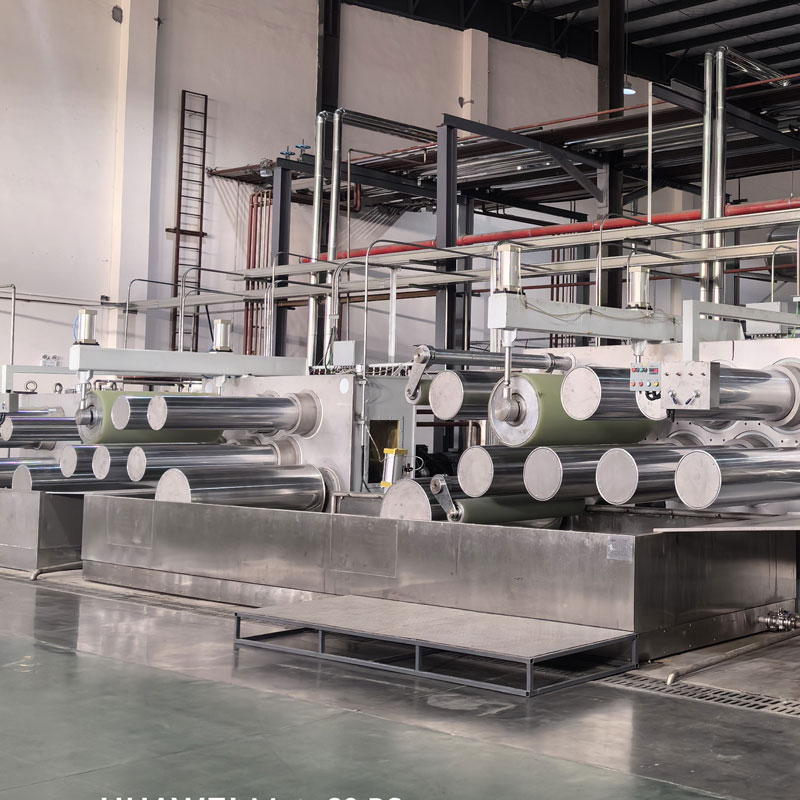
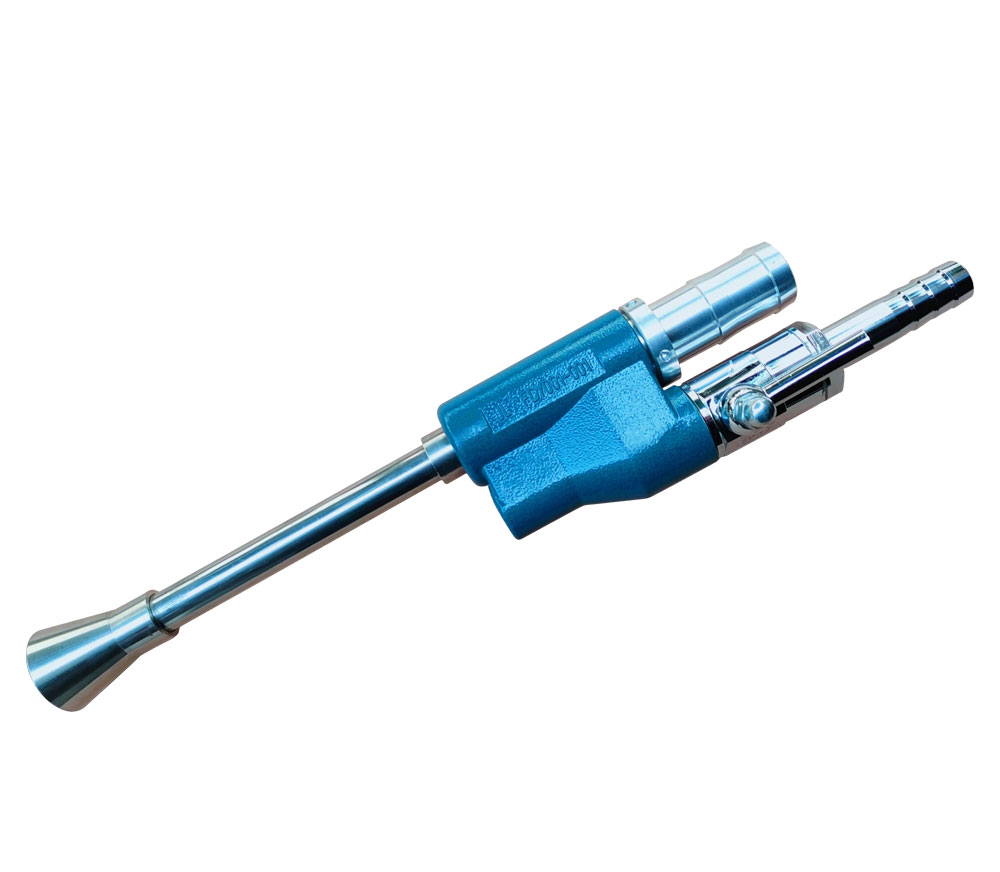
The latest melt spinning technology now comes equipped with real time rheology monitoring which helps fine tune the production of polyester staple fibers. During the extrusion process, special sensors keep tabs on how viscous the material is and how it flows, allowing operators to tweak temperatures and pressures as needed. What this means in practice is much less variation in fiber thickness, down to about half a percent plus or minus, while also saving around 15 percent in energy costs according to recent studies from Textile Research Journal back in 2023. Another big plus? These systems stop the polymer from breaking down so badly that we get those annoying shot particles everyone hates seeing in their products. For medical grade nonwovens where every micrometer counts, this matters a lot since they need fibers consistently under one micrometer across. And speaking of reliability, when something starts going wrong with viscosity levels, the system sends out maintenance warnings before things really go south, keeping production lines running smoothly at least 98 percent of the time.
Custom engineered polymers allow manufacturers to tailor material properties for demanding industrial applications. When branched PES chains are used, they significantly boost melt strength which makes it possible to spin materials at incredible speeds around 4,500 meters per minute without any breaks occurring during production. Adding polyethylene glycol to copolymer blends creates lasting moisture wicking pathways within the fiber structure. Tests show these modified fibers absorb three times more water compared to conventional alternatives. The secret lies in controlling molecular weight distribution through specialized catalyst systems that keep variability below 1.8. This level of control results in consistently strong fibers exceeding 6.5 grams per denier in tensile strength. For automotive parts makers, these advancements mean composite components can withstand impacts 40% better than before. Filtration systems built with these materials maintain their integrity even when exposed to chemicals at temperatures approaching 150 degrees Celsius.
The move towards sustainable polyester staple fibers is being driven by bio-based PET precursors, especially FDCA or 2,5-furandicarboxylic acid made from leftover agricultural materials. When we replace traditional petroleum-based terephthalic acid with FDCA, the resulting polymers perform almost exactly the same mechanically and thermally but cut down on carbon emissions from production start to finish by somewhere between 40 and 60 percent. Getting this technology ready for mass production hinges on boosting those fermentation yields which currently sit around 80 to 85 percent in test facilities, plus finding ways to make the purification process cheaper. There are already three demonstration plants running across Europe at what could be called semi-commercial levels, showing that these materials work well enough for textiles that need extra strength and durability.
Polyester staple fibers with controlled lifetimes combine hydrolyzable ester linkers along with enzymatic breakdown paths to create closed loops for things we throw away. These fibers have pH sensitive points where they break down, allowing them to disintegrate when exposed to landfill fluids or ocean water. Special enzymes called cutinases speed up the breaking process about 20 times faster than regular polyester does. Tests show these special fibers lose around 90% of their mass after just 14 weeks in industrial compost settings. The way these fibers work keeps them strong enough for whatever purpose they're used for, but makes sure they completely break down eventually. That's why researchers think these materials could be really useful for things like hospital gowns or agricultural covers that need to disappear without leaving waste behind.
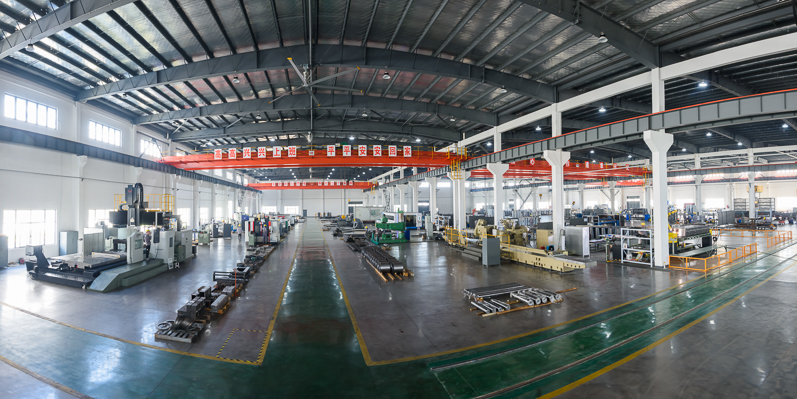
Modern AI systems handle the entire process from drying to crimping right through to cutting, all thanks to sensors that feed back real time data into smart control algorithms. When it comes to drying fabrics, these intelligent systems tweak temperatures and adjust how long things stay in the dryer so they reach just the right level of dryness. No more wasting energy on over dried materials or dealing with half baked batches that need redoing. For crimping operations, the AI plays around with roller pressures and speeds until everything looks uniform, which makes those finished textiles much stronger when bulked up. Cutting gets handled by computer vision technology that keeps blades calibrated so every piece comes out exactly the same length, usually within about 0.3 millimeters either way. All told, putting all these technologies together cuts down on wasted materials somewhere between 12% and 18%, saves energy consumption by roughly 15% to 22%, and generally speaking makes life easier for manufacturers working with high spec technical textiles where fibers have to meet strict requirements.
Adding nanocomposite materials gives polyester staple fibers specific functions needed for tough technical applications. When manufacturers incorporate zinc oxide (ZnO) along with titanium dioxide (TiO2) nanoparticles into the fibers, they get over 95% protection against harmful UV rays while still maintaining strong tensile properties. Another component called functionalized silica creates special microscopic channels within the fiber structure that help liquids move through faster, which means better moisture control overall. These combined improvements mean the fabric lasts longer when exposed to sunlight and handles sweat much better during intense physical activity. That's why we see this type of fiber becoming increasingly popular not just in outdoor sports equipment but also in hospital settings where infection control matters most, plus all sorts of advanced protective wear across different industries.
Melt spinning technology is used to refine the extrusion process of polyester staple fibers, ensuring consistent fiber thickness and improved energy efficiency.
Bio-based PET precursors help reduce carbon emissions from polyester production by replacing petroleum-based materials with FDCA-derived monomers.
AI systems optimize the production process by adjusting drying, crimping, and cutting parameters to improve quality and efficiency of polyester staple fibers.
 Hot News
2024-07-25
2024-07-25
2024-07-25

Soft Gem We are committed to the integration and innovation of the overall solution for the fiber material production plant, including the whole project planning, process package and engineering design, complete equipment manufacturing, digital information integration, terminal product performance assurance, and full life cycle services. We have an experienced technical research and development team with expertise
No. 19, Jiulong Road, southeast development zone, Changshu, Suzhou
Copyright © 2024 Suzhou Soft Gem Intelligent Equipment Co., Ltd. Privacy Policy
 EN
EN