Staple fiber processing allows manufacturers to mix natural fibers like cotton with synthetics such as polyester and recycled content while maintaining consistent lengths and proper alignment throughout the batch. When fibers are properly aligned, there's less yarn breakage during the spinning process, which means factories can produce about 25-30% more fabric in the same amount of time as traditional methods. Better quality yarn combined with faster production makes this technique ideal for large scale clothing production lines where durability remains important but prices need to stay reasonable. Many textile companies have adopted this approach because it helps them meet demand without sacrificing product integrity or blowing out their budgets, something that matters a lot when competing against lower cost imports from overseas markets.
Staple fiber tech gives fabric makers a way to create performance materials with specific crimp levels, different cross sections, and precise blend ratios. This helps improve things like how well clothes wick away sweat, hold their shape, and dry quickly. The benefits really stand out in sportswear and gear for hiking or camping, since these items need to keep fitting properly even after lots of wear and multiple washes. Tests show that clothes made this way can stay stable and bounce back about 40 percent better than regular fabrics. That makes all the difference for people who push themselves physically, whether they're running marathons or climbing mountains, because they get both comfort and the durability they need from their clothing.
When fibers are uniformly crimped and kept at consistent lengths during the staple fiber process, it really boosts how long home textiles last. Bedding and upholstery made this way resist those annoying little pills that form on fabric surfaces, so they stay looking smooth even after months of use. Take polyester staple fiber (PSF) for instance. It holds up surprisingly well despite being washed repeatedly and subjected to constant wear and tear. That means products made from PSF tend to outlast their competitors in places where people actually sit or lie down a lot, like family rooms or hotel lobbies. Manufacturers who switch to these materials end up creating home textiles that don't just meet but often exceed what customers want in terms of both comfort and lasting power.
When manufacturers blend polyester staple fiber (PSF) with cotton in hybrid yarns, they get the best of both worlds. The PSF handles moisture really well while cotton lets air circulate naturally. Getting the right mix matters a lot. When done properly during production, these blends maintain good temperature control even when making big batches of fabric. That makes them great choices for things like bed sheets, curtains, and all sorts of home furnishings where comfort is key. What stands out most is how these fabrics actually respond to changes in body heat. People find themselves staying comfortable through different seasons without giving up on that soft feel we all want from our textiles.
Staple fiber processing plays a big role in industrial settings by giving materials their necessary mechanical strength and structural integrity. When it comes to geotextiles specifically, polyester staple fibers that have been specially engineered offer really good resistance to stress and maintain their shape even under pressure. This makes them great for reinforcing soils and controlling erosion since they can handle tensile forces well above 120 Newtons per centimeter according to research from the Geosynthetic Institute back in 2023. Looking at filtration applications now, manufacturers use sophisticated carding methods combined with needle punching to spread out the fibers evenly across the material. What this does is create those tiny but consistent pores throughout the fabric that trap microscopic particles without blocking air movement completely. Because of these characteristics, nonwoven fabrics made from PSF work exceptionally well in several areas including water purification systems, heating ventilation air conditioning units, and various types of industrial air filters where both dependability and performance matter most.
Staple fiber processing creates those special composite materials needed for applications where regulations are tight. When it comes to hygiene products, polyether sulfone (PSF) fibers naturally handle moisture while working well with antibacterial additives, something that passes both FDA and EU safety checks without any issues. The automotive sector relies heavily on customized PSF blends too. Manufacturers incorporate these into car seats, ceiling linings, and trunk mats because they pass the FMVSS 302 fire test requirements, emit very few volatile organic compounds, can take more than 50 thousand back-and-forth scrapes during wear testing, and keep their colors vibrant even after being exposed to sunlight and frequent cleanings. What we see here is not just another material option but a solution that manages to deliver solid performance metrics alongside necessary compliance factors all while keeping production costs reasonable enough for manufacturers across various tough industries.
Staple fiber processing sits at the heart of nonwoven fabric manufacturing, making it possible to produce millions of uniform short fibers with precise thickness and length measurements. The level of control achieved through this method means products come out consistent from one batch to the next, which matters a lot when producing things like hospital gowns, baby wipes, or air filters where reliability is critical. Manufacturers have started integrating automated systems that track production in real time, helping them catch problems early on while reducing material waste and keeping production lines running smoothly. What makes this approach particularly valuable is how flexible it can be. Companies can actually modify fiber characteristics during production without slowing things down too much. Some might add special coatings to make fibers hydrophobic, others might create hollow structures inside the fibers to change their absorption properties. This kind of customization lets producers meet diverse market demands without having to completely overhaul their manufacturing setup each time.
The staple fiber process using recycled polyester staple fiber (PSF) creates multi layer barrier films that bring together sustainability and top notch performance. These films actually contain post consumer recycled materials but still keep their great moisture resistance and strong mechanical properties, which cuts down on how much virgin plastic we need to use. They work really well in several important areas like food packaging, medical grade barriers, and various protective wraps. For these kinds of applications, it's crucial that going green doesn't mean sacrificing product protection or how long things stay fresh on store shelves. The balance between eco friendliness and functionality is what makes these materials stand out in today's market.
Staple fiber processing gives protective gear a real boost because it allows manufacturers to have much better control over how fibers are arranged and where additives go. Fireproof stuff and chemicals that resist damage get mixed right into the fibers themselves, so workers stay protected even after washing their clothes multiple times. When fibers spread out evenly throughout the fabric, the whole roll performs consistently well, which is what most industries require for safety compliance. Plus, these fabrics breathe better and feel softer on skin, making them more comfortable for people who need to wear them all day long in dangerous situations without feeling overheated or irritated.
 Hot News
2024-07-25
2024-07-25
2024-07-25

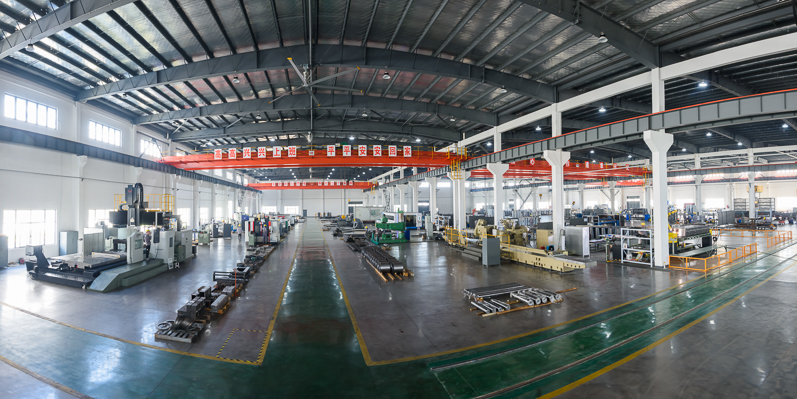
Soft Gem We are committed to the integration and innovation of the overall solution for the fiber material production plant, including the whole project planning, process package and engineering design, complete equipment manufacturing, digital information integration, terminal product performance assurance, and full life cycle services. We have an experienced technical research and development team with expertise
No. 19, Jiulong Road, southeast development zone, Changshu, Suzhou
Copyright © 2024 Suzhou Soft Gem Intelligent Equipment Co., Ltd. Privacy Policy
 EN
EN