EN
How to Choose a Recycled Fiber Production Machine
Selecting a recycled fiber production machine is often described as a capacity decision. In practice, it is a process-and-integration decision. The machine has to work with the feedstock you can obtain, the fiber specification you intend to make, the utilities at the site, and the way operators will inspect and adjust the line. A useful evaluation starts with those production objectives rather than a catalogue of isolated modules.
For a recycled fiber project, begin by defining the intended end use: filling, nonwovens, spinning, or another application. Then write down the permitted range for input material, color, denier, cut length, crimp expectations, and the evidence a customer may request. This does not make every requirement fixed at the start, but it gives a recycling machine manufacturer enough context to propose a scope that can be reviewed.
Start with the incoming material, not the nameplate
A recycled fiber line processes a material stream whose condition may vary from lot to lot. PET flakes, bottle-derived material, and polyester-containing textile waste can differ in moisture, labels, residual additives, color, particle size, and non-melting contamination. That variation should be treated as a design input, not as a background assumption.
Ask the supplier to explain the accepted feedstock window and what happens when material falls outside it. The answer should cover receiving inspection, storage, feeding, drying, sorting or cleaning where relevant, and the points where operators can observe material condition. For textile waste, blend composition matters: non-thermoplastic components can affect melt processing and filtration. Where feedstock is variable, it is sensible to ask how the proposed recycled fiber process addresses filtration, screen-change access, and the information operators need to decide whether conditions should be adjusted.
This is also where a textile recycling machine discussion becomes more specific. A line intended for relatively uniform bottle flakes may require a different upstream preparation scope from one intended for mixed textile-derived feedstock. Neither approach is universally suitable; the right direction depends on the actual input stream and target fiber.
Map the production chain before comparing machine features
Instead of asking which recycled fiber machine has the longest feature list, map the chain from material receipt to bale or downstream handling. A typical review may include material preparation, feeding, drying, melting or extrusion, filtration, spinning, cooling, drawing, crimping, cutting, conveying, and controls. The core machine is only one part of that chain.
For each stage, ask three questions:
- What input condition is assumed at this point?
- Which setting or observation tells the team whether the stage is stable?
- What upstream or downstream connection point must be confirmed before commissioning?
This approach turns a recycled fiber equipment comparison into a production-readiness review. For example, an output target may be stated in tonnes per day, yet that figure alone does not show whether material handling, power, cooling, compressed air, controls, staffing, and quality checks are ready to support it. Request an integration checklist alongside the layout and quotation.
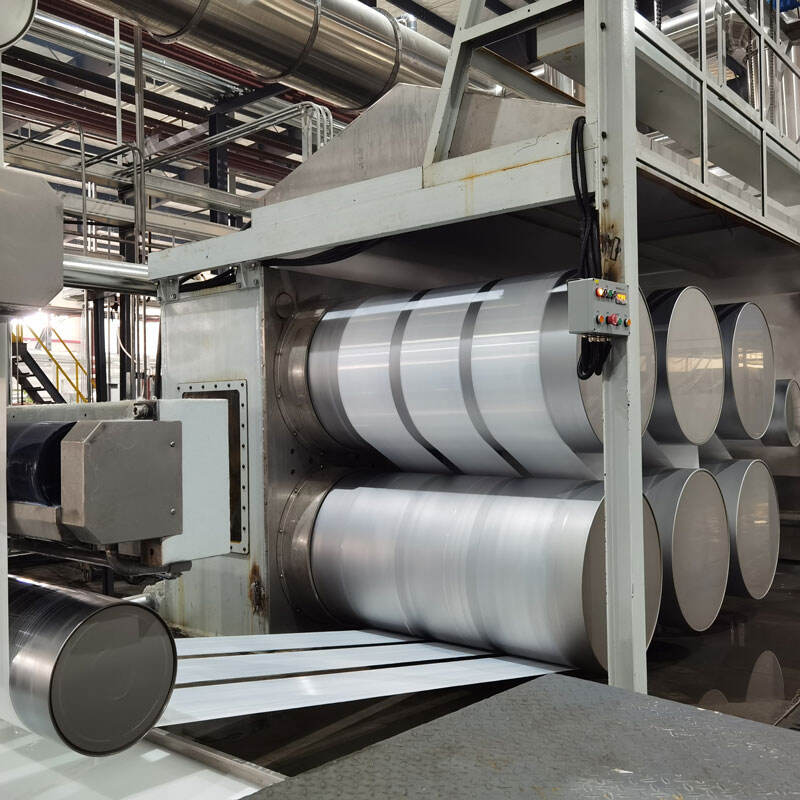 A process-chain view helps buyers review connections beyond the core machine.
Connect fiber specification to process decisions
The intended recycled fiber specification should guide the equipment conversation. Discuss the required fiber range, consistency expectations, and inspection method with the supplier. Then ask which process variables are relevant to those targets and which need site-specific engineering confirmation. This keeps a proposal from treating the final fiber as an automatic result of a single machine choice.
A capable recycled fiber equipment supplier should be able to separate confirmed scope from items that depend on trials, feedstock analysis, or local utilities. Ask for the proposed control points, the measurements expected during commissioning, and the limits of any preliminary estimate. Before interpreting a trial, clarify which variable it is designed to isolate: feedstock condition, filtration behavior, spinning stability, draw settings, or another process factor.
Review integration, maintenance, and data access
A recycled fiber line will be judged after start-up by routine work, not only by the installation drawing. Include maintenance access, cleaning procedures, spare-parts planning, safety boundaries, alarms, recipe management, and operator training in the evaluation. In project planning discussions, reviewing these connection points early often makes quotations easier to compare because exclusions become visible.
Controls deserve the same discipline. Ask what production and quality data the line records, who can change key settings, how recipes are managed, and how the information can support troubleshooting. The aim is not to demand every possible automation feature. It is to decide which data helps your team observe, adjust, and maintain the recycled fiber process consistently.
Separate traceability questions from equipment claims
Some buyers also need evidence for recycled-content or chain-of-custody programs. These requirements belong in the project brief, but they should not be confused with an unverified claim that a machine itself provides certification. Clarify the records, material segregation, batch identification, and documentation workflow needed across the operation. A recycling machine manufacturer can describe the data and handover scope it proposes; certification eligibility and final claims require separate verification with the relevant program and certification body.
Use an RFQ that makes proposals comparable
Send every prospective supplier the same working brief. For a recycled fiber project, include:
- Feedstock description, expected variability, and available test data.
- Target fiber use, specification range, and planned quality checks.
- Required capacity together with operating hours and ramp-up assumptions.
- Site utilities, layout constraints, material-flow responsibilities, and existing equipment.
- Requested scope for installation support, commissioning, training, documentation, and spares.
- Questions on maintenance access, controls, alarms, and performance-validation boundaries.
This list helps a fiber processing equipment proposal reveal what is included, what is optional, and what still needs engineering confirmation. Compare scope before price, particularly when two proposals appear to describe the same recycled fiber capacity.
Plan validation before placing the order
The final choice should include a validation plan. Agree on the incoming-material samples, trial objectives, acceptance discussion, inspection methods, commissioning responsibilities, and the records that will be reviewed. A recycled fiber production machine may be the right direction when its stated process window, integration scope, service scope, and validation plan align with your actual operation. The final assessment still depends on the feedstock and site conditions, so document open questions rather than hiding them in assumptions.
In short, choose a recycled fiber line by moving from objective to feedstock, from feedstock to process stages, and from process stages to proof. That sequence gives buyers a clearer basis for supplier discussions and a more practical foundation for commissioning.


 Hot News