EN
PET Fiber Making Machine Maintenance Tips to Extend Service Life
A pet fiber making machine is not maintained by one dramatic overhaul. Its service life is shaped by small, repeatable decisions: how material contamination is noticed, how heat is checked, whether lubrication is documented, and whether a minor vibration is investigated before it becomes a production interruption. For operations teams, the useful goal is not to chase a universal maintenance interval. It is to build a routine that fits the actual line configuration, operating hours, resin or feedstock condition, and supplier-approved instructions.
At first this can look like an equipment-maintenance issue. More precisely, it is a process-and-interface issue. A pet fiber making machine connects material preparation, melting or extrusion, filtration, spinning, cooling, drawing, handling, and controls. A concern at one point can show up later as unstable pressure, uneven flow, fiber variation, or avoidable downtime. The checklist below helps teams turn fiber machinery care into a disciplined operating practice rather than a reactive repair task.
Start with a safe maintenance foundation
Before opening guards, cleaning a process component, or reaching into a drive area, follow the site’s approved energy-control procedure and the equipment manual. Maintenance activities may involve electrical, thermal, pneumatic, hydraulic, and stored mechanical energy. Where applicable, the procedure should identify isolation points, make residual energy safe, and verify the isolation before work starts. Local regulations, the machine documentation, and trained authorized personnel should govern the exact method.
This step matters because rushed access work can damage both people and equipment. A clear work order should state the asset, task, reason for the intervention, required permits or lockout/tagout steps, and the condition to be checked before restart. It also creates a useful history for later machine service decisions.
Build a maintenance rhythm around the process path
Instead of treating every component the same, divide the pet fiber making machine into functional zones. Daily observations can focus on visible leaks, unusual sound, smell, vibration, alarms, guards, and housekeeping. Weekly or shift-based checks may cover lubrication points, fasteners accessible under approved procedures, drive condition, sensor cleanliness, and utility connections. Planned shutdown work can then address deeper inspection, cleaning, calibration, and parts replacement according to the manufacturer’s instructions and the site’s operating record.
A practical record contains the date, run conditions, observation, action taken, parts used, and follow-up owner. This is more helpful than a generic “checked OK” entry. For example, noting a gradual change in pressure behavior after a feedstock change can help distinguish a material-handling question from a filtration or thermal-control question.
Protect the melt, filtration, and spinning sections
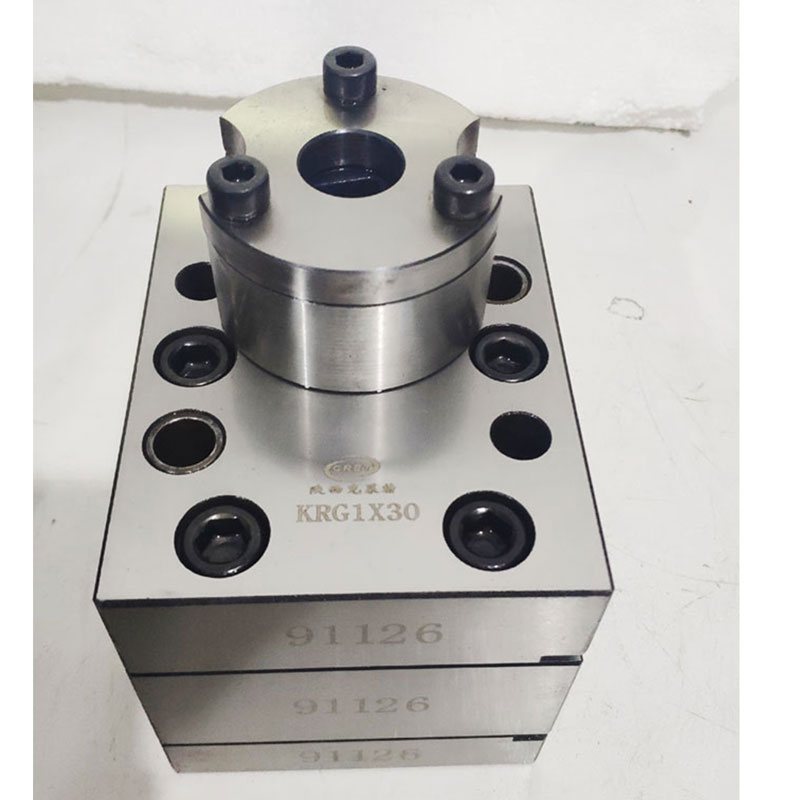
For many PET fiber processes, the melt path deserves careful attention because residue, contamination, or unstable temperature can affect downstream flow. Review the approved cleaning method for filters, transfer lines, spinning components, and spinneret-related parts. Technical maintenance guidance commonly identifies spinneret cleaning, filter replacement, gear-pump checks, and thermal-control accuracy as important topics; the exact frequency and acceptance criteria must come from the equipment supplier and the plant’s validated procedure.
Do not use force or improvised tools on precision openings or heated assemblies. When inspecting a pet fiber making machine, look for condition changes that need escalation: repeated pressure alarms, inconsistent heating-zone behavior, evidence of leakage, abnormal pump noise, or deposits that return unusually quickly. These are inspection prompts, not proof of a specific fault. An appropriate response is to compare records, confirm safe access, and involve qualified technical personnel when the cause is uncertain.
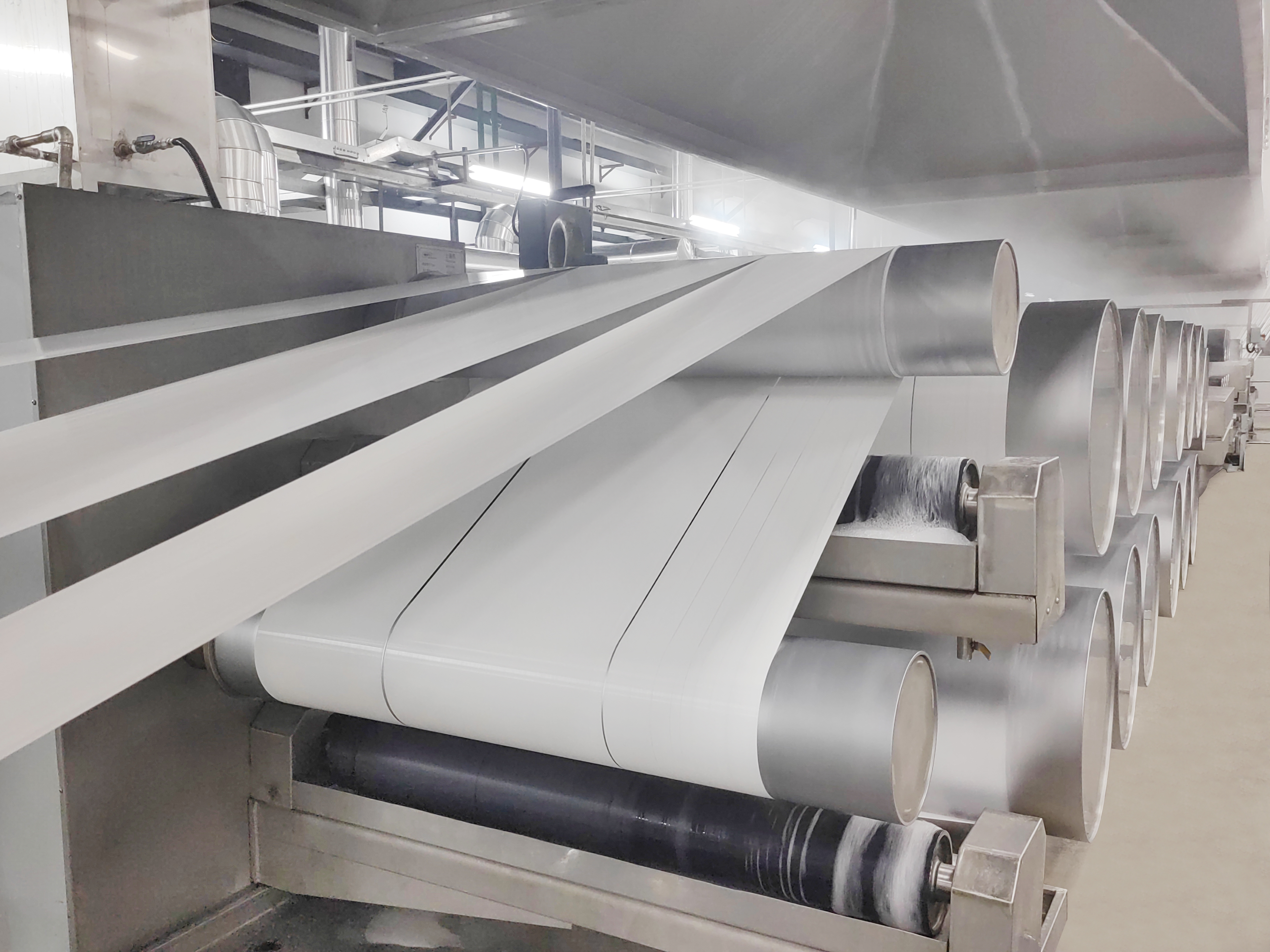 Routine inspection supports safe, documented maintenance of fiber-making equipment.
Keep drives, bearings, and motion systems observable
Motors, gearboxes, bearings, rollers, and transmission components influence smooth material movement and stable tension. Good equipment maintenance begins with observation: compare noise and vibration with the asset’s normal baseline, inspect guards and alignment indicators, and check approved lubrication points with the specified lubricant. Over-lubrication can be as problematic as missed lubrication, so the task should be tied to the machine manual rather than to habit.
Where condition-monitoring tools are available, trend readings rather than relying on a single snapshot. An operator’s note about a new sound, a maintenance record showing repeated adjustment, and a quality team’s observation about process variation may together justify a planned inspection. This connects production stability to evidence instead of assumptions.
Check utilities, cooling, and controls as a system
A pet fiber making machine depends on more than its visible mechanical modules. Cooling circuits, compressed air, electrical connections, temperature sensors, control cabinets, and communication signals all affect whether the line can run consistently. Keep ventilation paths and cabinets clean in accordance with approved procedures, inspect for signs of moisture or loose connections during planned work, and verify that alarms and sensors are reviewed rather than repeatedly acknowledged without investigation.
The useful question is not simply whether a component has failed. Ask whether the control indication agrees with the observed process condition. If it does not, document the discrepancy and follow the site’s calibration or troubleshooting process. That habit can reduce repeated adjustments that mask an underlying issue.
Use cleaning and housekeeping to support reliability
Clean access areas make inspections more meaningful. Remove permitted dust, fiber waste, and material buildup from areas identified in the maintenance instructions, while protecting electrical and sensitive components. Good housekeeping also makes small leaks, worn hoses, loose fittings, and damaged insulation easier to see. For a pet fiber making machine, cleanliness is not a cosmetic task; it supports safe access and earlier detection.
Assign ownership for routine checks across operations and maintenance rather than assuming that one team will notice every issue. Operators see running behavior; maintenance teams verify condition and corrective work; supervisors can review recurring findings and schedule the right shutdown scope.
Turn recurring faults into a maintenance improvement loop
When a problem repeats, avoid changing several variables at once. Capture the symptom, location, operating condition, alarm history, recent machine service, and any material or product change. Then review one hypothesis at a time. This preserves useful evidence and avoids declaring a quick fix successful when the underlying cause has not been confirmed.
For longer-term planning, keep a controlled list of critical spares based on the machine documentation, lead times, failure history, and safety relevance. Spare-part planning should not imply that every item must be stocked; it should make the decision visible. Suzhou Soft Gem’s stated lifecycle-service focus can be a useful discussion point when project teams are defining documentation, handover, and support expectations, subject to project-specific confirmation.
A concise checklist for each planned review
- Confirm the approved safety, isolation, and restart procedure before work.
- Review operating logs, alarms, quality observations, and prior corrective actions.
- Inspect the melt path, filtration, spinning components, and thermal controls using approved methods.
- Check drives, bearings, rollers, lubrication points, guards, and accessible fasteners.
- Review cooling, air, electrical, and control-system conditions as connected interfaces.
- Record findings, parts, measurements, ownership, and the next verification date.
Make maintenance part of reliable operation
The strongest maintenance program for a pet fiber making machine is specific enough to guide work and flexible enough to reflect real operating conditions. Begin with the supplier documentation, build safe access into every task, and use records to turn small observations into timely action. That approach supports fiber machinery care, clearer handovers, and more informed planning for production stability without promising a fixed outcome for every plant.



 Hot News