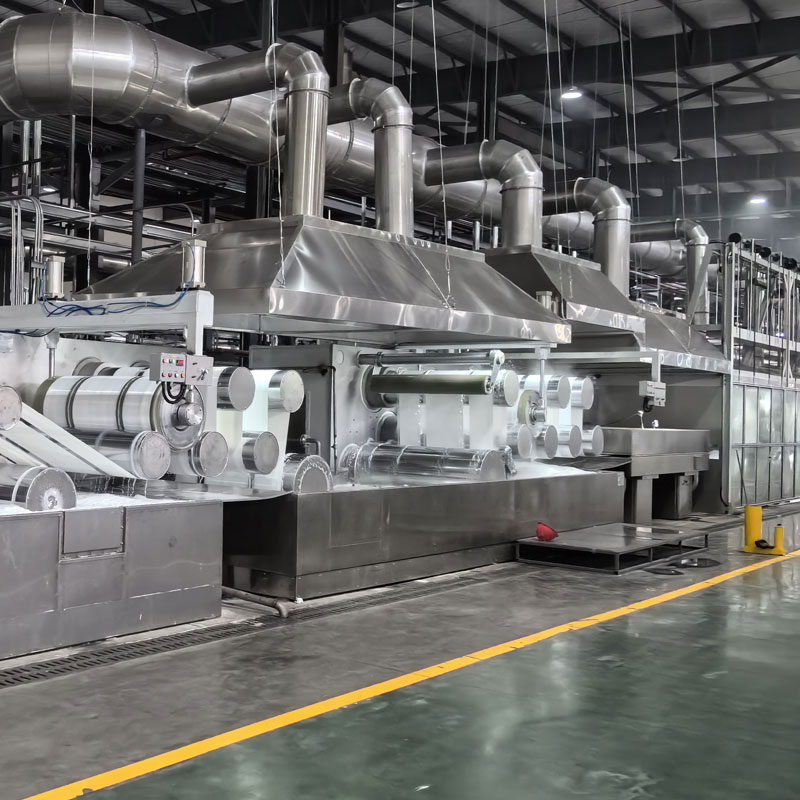
In modern fiber production, efficiency isn’t just about making more products—it’s about making better products faster, with less waste. The es fiber machine has become a game changer here, especially for factories that make ES fibers used in things like non-woven fabrics, medical supplies, and home textiles. Unlike old machines that needed constant manual checks and slow processes, the es fiber machine brings smart tech and flexible design to the table. Let’s break down exactly how the es fiber machine boosts efficiency in today’s production lines.
Streamlines Production with One Step Processes
Gone are the days when making ES fiber required multiple separate machines and tedious transfers. The modern es fiber machine cuts through the hassle by combining steps into one smooth process. For example, traditional setups might need separate machines for melting raw materials, spinning fibers, and adjusting thickness. But a good es fiber machine handles melting, spinning, and even initial fiber treatment all in one go. This not only saves space in the factory but also eliminates the time lost moving materials between machines. Some es fiber machine models, like those from companies with deep industry experience, can even adjust fiber properties (like softness or strength) without stopping production. This means the es fiber machine keeps running non-stop, turning raw materials into usable ES fiber in a fraction of the time old setups took.
Smart Automation Cuts Down Manual Work
Manual work used to be a big bottleneck in ES fiber production—workers had to monitor temperatures, fix small issues, and check fiber quality non-stop. But the es fiber machine changes this with smart automation. Most modern es fiber machine come with sensors that track every key detail: temperature in the melting chamber, fiber thickness, even the speed of the spinning parts. If something goes slightly off—like the temperature getting too high—the es fiber machine adjusts itself automatically. No more waiting for a worker to notice and fix the problem. Some advanced es fiber machine even connect to factory management systems, sending real time data so managers can keep an eye on production without being on the floor. This automation doesn’t just save labor costs; it also reduces mistakes—so the es fiber machine makes more consistent ES fiber with way fewer defects.
Flexible Design Adapts to Different Needs
In today’s market, factories can’t just make one type of ES fiber—they need to switch between products quickly to meet customer demands. The es fiber machine’s flexible design makes this easy. Unlike old machines that were only good for one fiber type, a modern es fiber machine can adjust to make different kinds of ES fiber (like low melt ES fiber or bio component ES fiber) by tweaking a few settings. For example, if a factory needs to switch from making ES fiber for face masks to fiber for baby wipes, the es fiber machine can change its spinning speed and temperature in minutes—no need to take the whole machine apart or buy a new one. Some es fiber machine models can even produce both hollow and solid ES fiber, which is a huge plus for factories that want to expand their product lines without adding more equipment. This flexibility means the es fiber machine keeps the production line busy, no matter what the market asks for.
Saves Energy and Reduces Waste
Wasting energy and raw materials eats into efficiency—and profits. The es fiber machine fixes this with energy saving features and better material use. Many modern es fiber machine use high efficiency motors that use less electricity, even when running at full speed. Some also have heat recovery systems that capture heat from the melting process and reuse it, cutting down on energy bills. When it comes to materials, the es fiber machine is more precise too. Its advanced spinning parts make sure almost every bit of raw material is turned into usable fiber—no more big piles of waste from uneven spinning. For example, some es fiber machine can reduce material waste by 5% or more compared to old machines. That might not sound like much, but over a month of non-stop production, it adds up to big savings. Plus, using less energy and waste makes the es fiber machine better for the environment, which is a win for both the factory and the planet.
Reliable Performance Means Less Downtime
Nothing kills efficiency like a machine breaking down. The es fiber machine is built for reliability, with strong parts and easy maintenance. Unlike old machines that needed frequent, time consuming repairs, the es fiber machine uses durable materials (like high strength steel for key parts) that last longer. Many es fiber machine also come with built in self check systems that warn workers when parts need to be replaced—before they break. And when maintenance is needed, the es fiber machine is designed to be easy to work on; no need for special tools or days of downtime. Some companies even offer quick after sales support for their es fiber machine, sending technicians to fix issues fast if they pop up. All this means the es fiber machine stays running more hours a day, so the factory can make more ES fiber without waiting for repairs.

 Hot News
 EN
EN