Simplifies the bonding process and reduces production steps
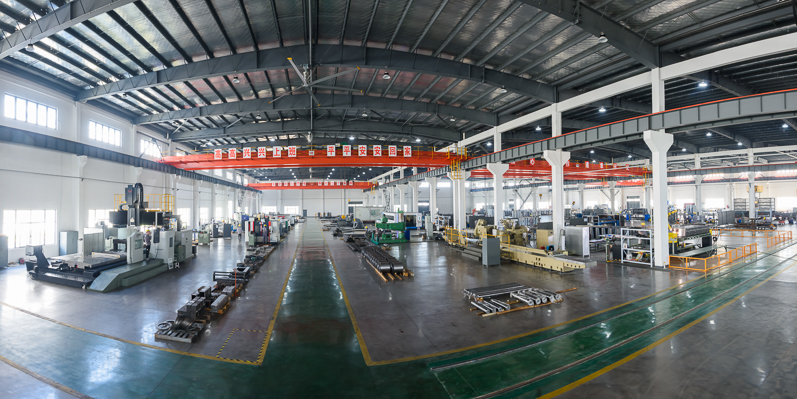
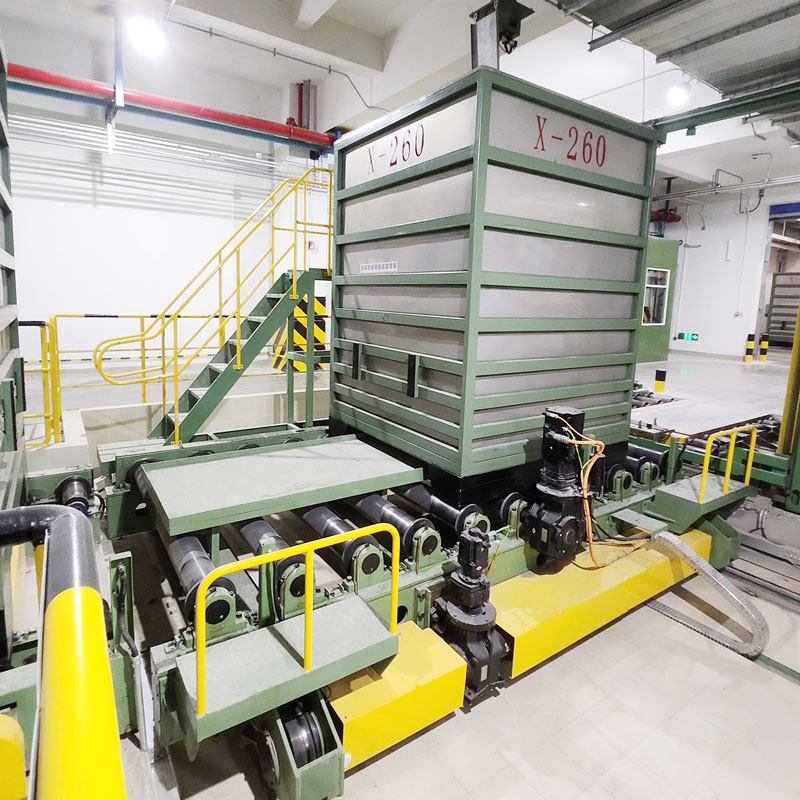
Low melt fiber brings a huge change to the bonding process in production by eliminating the need for traditional chemical adhesives or complex mechanical fixing. In industries like textile and packaging, workers used to spend a lot of time applying glue or operating heavy sewing machines to bond materials. But with low melt fiber, all you need to do is heat the fiber to its melting point—usually between 85℃ and 180℃—and it will naturally adhere to other fibers or materials. This one step heating process cuts down many tedious steps. For example, when making non woven fabrics for hygiene products, mixing low melt fiber with other fibers and then heating them together can form a stable fabric structure directly. Manufacturers with professional low melt fiber production lines, like those offering 100TPD low melt staple fiber production lines, can integrate this simplified process into continuous production, making the whole workflow smoother and much faster.
Lowers labor costs and reduces manual intervention
Another way low melt fiber boosts production efficiency is by minimizing the need for manual work. Traditional bonding methods often require skilled workers to apply adhesives evenly or operate sewing equipment, which not only takes time but also increases the risk of human error—like uneven glue application or messy stitches. Low melt fiber, however, works well with automated production lines. Once the fiber is mixed into the raw materials and the heating parameters are set, the machine can handle the rest automatically. This means fewer workers are needed to monitor the process. For instance, in the production of car interior parts, using low melt fiber to bond roof liners and door panels allows the entire process to be controlled by machines, reducing the number of manual operations by half or more. With stable performance from high quality low melt fiber, there’s also less need for rework due to manual mistakes, saving both time and labor costs.
Enhances production speed and batch consistency
Low melt fiber is a game changer when it comes to production speed and product consistency. Unlike traditional methods that require waiting for glue to dry or stitches to be completed, low melt fiber melts and bonds quickly once heated. This shortens the time each product takes to go through the production line. For example, in the manufacturing of 3D fly woven shoe uppers, adding low melt fiber to the yarn allows the upper to be bonded and shaped in just a few minutes, compared to hours with traditional sewing. What’s more, low melt fiber from reliable production lines has uniform melting points and stable performance. This ensures that every batch of products has the same bonding strength and appearance, avoiding the inconsistency caused by manual operation or varying adhesive quality. For businesses that need to produce large batches of products, this consistency means faster quality checks and smoother delivery schedules.
Supports multi material compatibility and flexible production
Modern production often requires working with different materials, and low melt fiber’s strong compatibility makes it easier to switch between product types quickly. It can bond with various fibers like polyester, nylon, and even some natural fibers, without needing different adhesives or tools for each material. For example, in the textile industry, a single production line using low melt fiber can make both baby clothes (by bonding soft cotton fibers) and outdoor gear (by bonding durable polyester fibers) just by adjusting the heating temperature slightly. Manufacturers that offer flexible low melt fiber production lines—capable of making both hollow and solid low melt fibers—also help businesses adapt to changing market demands faster. Instead of investing in new equipment for different products, companies can simply adjust the low melt fiber type or processing parameters, saving time and money on equipment upgrades.
Reduces material waste and lowers production costs
Low melt fiber also improves efficiency by cutting down material waste. Traditional adhesives often lead to waste—either because too much glue is applied or because it overflows and ruins the product. Low melt fiber, however, is added directly to the raw material mix in precise amounts, so there’s almost no excess. For example, when making filter materials, mixing the right amount of low melt fiber with filter fibers ensures that every part of the fiber is used for bonding, with no waste from spilled glue. Additionally, low melt fiber’s durable bonding reduces the risk of product damage during transportation or use, which means fewer defective products and less waste from scrapped items. Over time, this reduction in waste adds up to significant cost savings for businesses. Combined with the energy efficient production lines used to make low melt fiber—like those with hydraulic servo systems that save energy—it’s clear that low melt fiber helps lower overall production costs while keeping efficiency high.

 Hot News
 EN
EN