Hygiene Products Industry
The hygiene products industry is one of the biggest beneficiaries of es fiber. Es fiber has excellent thermal bonding performance and soft texture, making it an ideal material for products like baby diapers, adult incontinence pads, and feminine hygiene products. When processed, es fiber can form a stable and fluffy fiber web without the need for additional adhesives, ensuring the products are safe and non irritating to the skin. Manufacturers with professional production lines can produce es fiber with precise specifications, matching the strict requirements of hygiene products for material thickness and absorption. The high bulkiness of es fiber also enhances the absorption capacity of hygiene products, keeping users dry and comfortable. With the growing demand for high quality hygiene products, es fiber has become an indispensable material in this industry, helping businesses improve product competitiveness and meet consumer expectations for comfort and safety.
Textile and Garment Industry
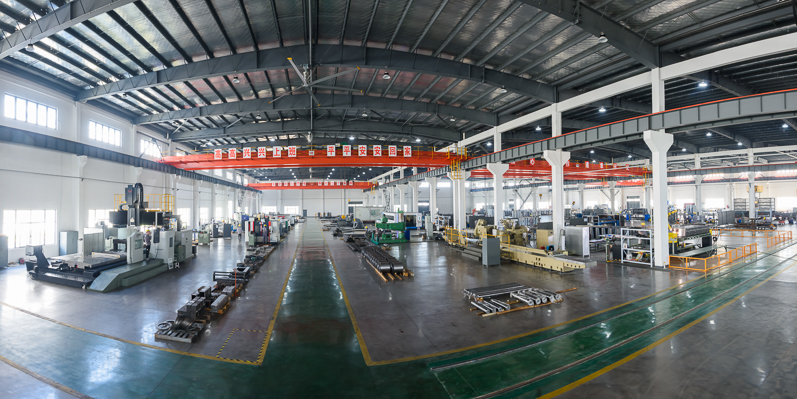
Es fiber brings significant advantages to the textile and garment industry, especially in the production of non woven fabrics and thermal insulation materials. Its strong thermal bonding ability allows for the creation of non woven fabrics with good tensile strength and durability, which are widely used in clothing linings, interlinings, and disposable clothing. Es fiber can also be blended with other fibers to produce thermal insulation materials for winter clothing, bedding, and sleeping bags. The fiber’s light weight and excellent thermal retention properties make the end products warm yet not bulky, meeting the market’s demand for lightweight and comfortable textile products. With over 30 years of experience in synthetic fiber equipment, manufacturers can provide es fiber production lines that meet the diverse needs of the textile industry, from small batch customization to large scale production. This flexibility helps textile enterprises innovate product designs and expand their product ranges.
Filter Material Industry
The filter material industry greatly benefits from the unique properties of es fiber. Es fiber has fine fiber diameter and high specific surface area, enabling it to effectively capture tiny particles such as dust, pollen, and bacteria. This makes it an excellent material for air filters, water filters, and industrial filter bags. The thermal bonding process of es fiber ensures the filter material has a uniform structure and stable filtering performance, maintaining high efficiency even after long term use. Manufacturers offering comprehensive solutions can customize es fiber with specific titer ranges to meet the different filtering requirements of various industries, from household air purifiers to industrial waste gas treatment systems. The durability and low maintenance cost of es fiber filter materials also help businesses in the filter industry reduce operational costs while improving product quality and reliability.
Automobile Industry
The automobile industry has seen increasing application of es fiber in recent years, particularly in interior parts manufacturing. Es fiber is used to produce car roof liners, door panels, seat cushions, and sound insulation materials. Its sound absorption and thermal insulation properties help improve the comfort of the car interior, reducing noise and regulating temperature. The lightweight nature of es fiber also contributes to reducing the overall weight of the vehicle, which is beneficial for energy conservation and emission reduction. Es fiber products have good wear resistance and aging resistance, adapting to the harsh working environment inside automobiles. With the support of turnkey production solutions, automobile interior manufacturers can efficiently produce es fiber based parts that meet the strict quality and safety standards of the automotive industry. As the industry moves towards intelligence and environmental protection, es fiber will play an even more important role in enhancing the performance and comfort of automobile interiors.
Packaging Industry
The packaging industry gains valuable benefits from es fiber, especially in the field of protective packaging. Es fiber’s softness and shock absorption capacity make it an excellent cushioning material for packaging fragile items such as electronic products, glassware, and precision instruments. It can be processed into non woven mats, wrapping films, or filling materials, providing comprehensive protection against impact and vibration during transportation. Unlike traditional packaging materials, es fiber is lightweight, which helps reduce transportation costs, and some types are degradable, aligning with the packaging industry’s sustainability goals. Manufacturers with advanced production equipment can produce es fiber packaging materials in various shapes and sizes, meeting the personalized packaging needs of different products. The use of es fiber not only improves the protection effect of packaging but also enhances the environmental friendliness of products, helping packaging enterprises meet the growing demand for green packaging solutions.

 Hot News
 EN
EN